
The AI Winner Index fell 5.63% to 405.59 on July 2, its steepest single-day drop in weeks, as profit-taking swept through artificial intelligence hardware and semiconductor stocks.
The AI Winner Index fell 5.63% to 405.59 on July 2, its steepest single-day drop in weeks, as profit-taking swept through artificial intelligence hardware and semiconductor stocks.
The AI Winner Index fell 5.63% to 405.59 on July 2, extending its weekly decline to 4.17% as a broad selloff hit artificial intelligence-related stocks. The decline was concentrated in hardware and semiconductor names, while software-focused AI companies showed relative resilience. The index's drop marked its worst single-session performance in recent weeks, with trading volumes elevated as investors rushed to lock in gains from a months-long rally.
Piper Sandler maintained an Overweight rating on Dell Technologies with a $497 price target before the June 25 downgrade by GF Securities, citing the company's strong position in AI infrastructure. Mizuho kept an Outperform rating with a $300 target, while Citi held a Buy rating at $235. The GF Securities downgrade pushed Dell shares down more than 9%, making it one of the biggest losers in the S&P 500 that day. Despite the pullback, all 25 analysts covering Dell rate it a consensus Moderate Buy, with an average price target of $487.18, implying about 22% upside from current levels.
The AI Software Pioneer Index slipped just 0.03% to 109.97 and posted a weekly gain of 4.70%, highlighting the divergence between hardware and software segments. The selloff in AI names echoed across global markets, with Korean stocks tumbling 8% on AI jitters as chipmakers led declines. Dell Technologies, a bellwether for AI infrastructure demand, had surged more than 260% over the past 52 weeks before the recent pullback, with year-to-date gains nearing 240%. The company's transformation into a leading AI infrastructure player has been a key driver, with its AI server business posting 757% year-over-year growth last quarter to $16.1 billion.
The pullback raises questions about whether the AI trade is entering a consolidation phase. AI infrastructure spending remains strong — Dell expects full-year AI server revenue of $60 billion, and the company's "Dell AI Factory with Nvidia" partnership continues to drive deployments. But valuations have outpaced earnings growth, with Dell trading at a forward price-to-earnings of 24.33 times, roughly in line with the sector's 23.72 times. The next major test for the sector comes as tech companies report quarterly results later this month, which will determine whether AI demand can sustain current valuation multiples. Dell is set to report earnings on August 27, with analysts projecting EPS of $4.63 for the current quarter, up 120.48% from a year ago.
Hardware vs. Software Divergence Widens
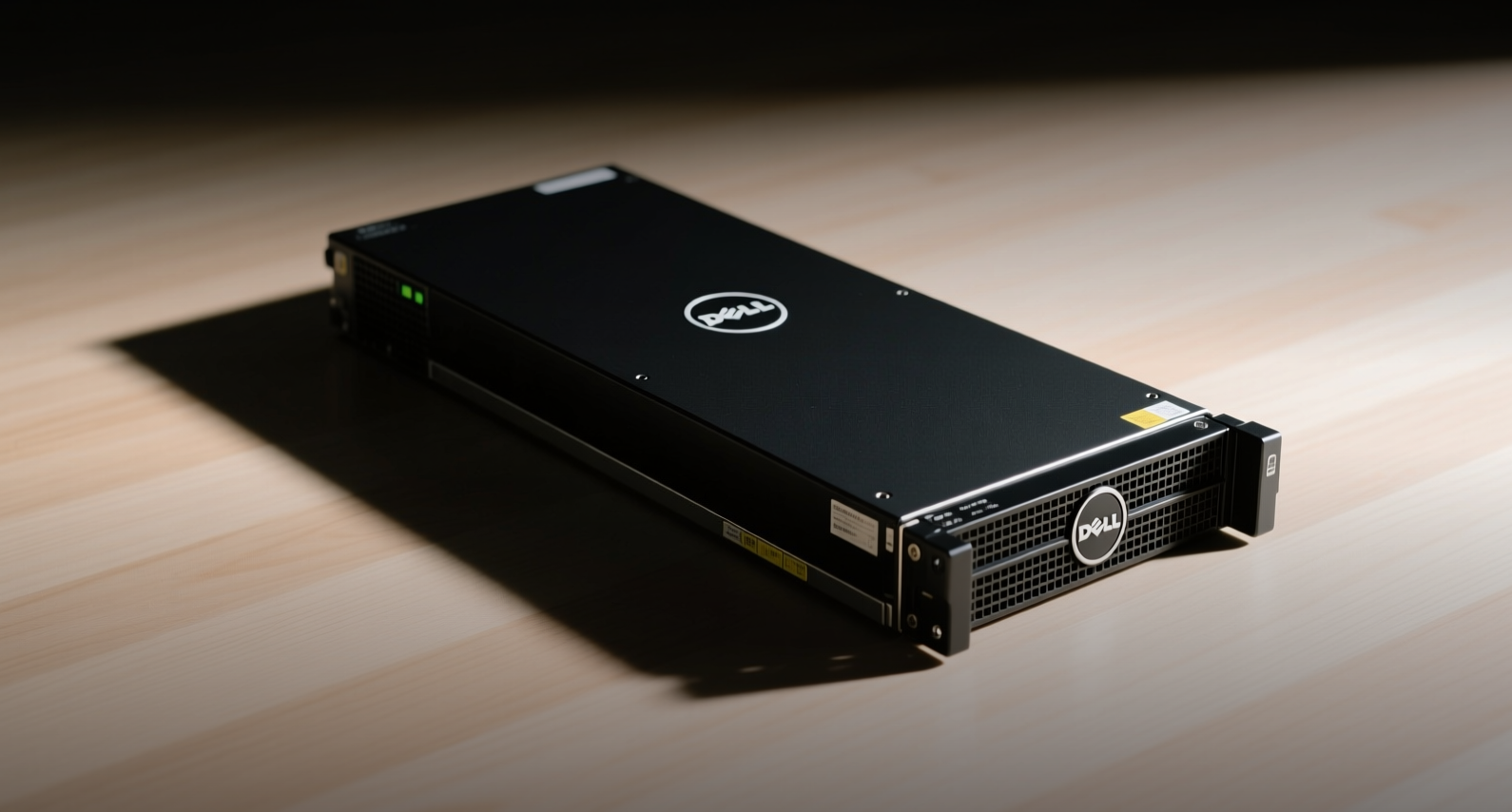
The July 2 session highlighted a growing divide within the AI trade. Hardware names, which have led the AI rally over the past year, bore the brunt of the selling as investors locked in profits. Software-focused AI companies, by contrast, held up better, with the AI Software Pioneer Index posting a weekly gain of 4.70% even as the broader AI index declined. The divergence suggests that investors are becoming more selective, rewarding companies with recurring revenue models over hardware plays that face potential margin compression as supply catches up with demand. Dell's new PowerEdge XE8812 server, built on Nvidia's Vera Rubin NVL4 platform and capable of scaling to 144 GPUs per rack, represents the kind of high-end hardware that has driven the AI infrastructure boom.
Valuation and the Path Forward
With the AI Winner Index down 4.17% for the week, traders are watching for technical support levels and the upcoming earnings season for direction. The selloff has been driven by valuation concerns rather than a deterioration in fundamentals — AI infrastructure spending continues to accelerate, with Dell, Nvidia, and other key players reporting strong order books. Dell recently secured a $9.7 billion, five-year deal with the U.S. Department of Defense to provide software and cloud subscriptions, underscoring the breadth of its government business. The Street-high price target of $700 on Dell implies potential gains of 75.2% over the next 12 months, according to Barchart data, suggesting that the bull case for AI infrastructure remains intact even as the sector undergoes a near-term correction.
This article is for informational purposes only and does not constitute investment advice.
