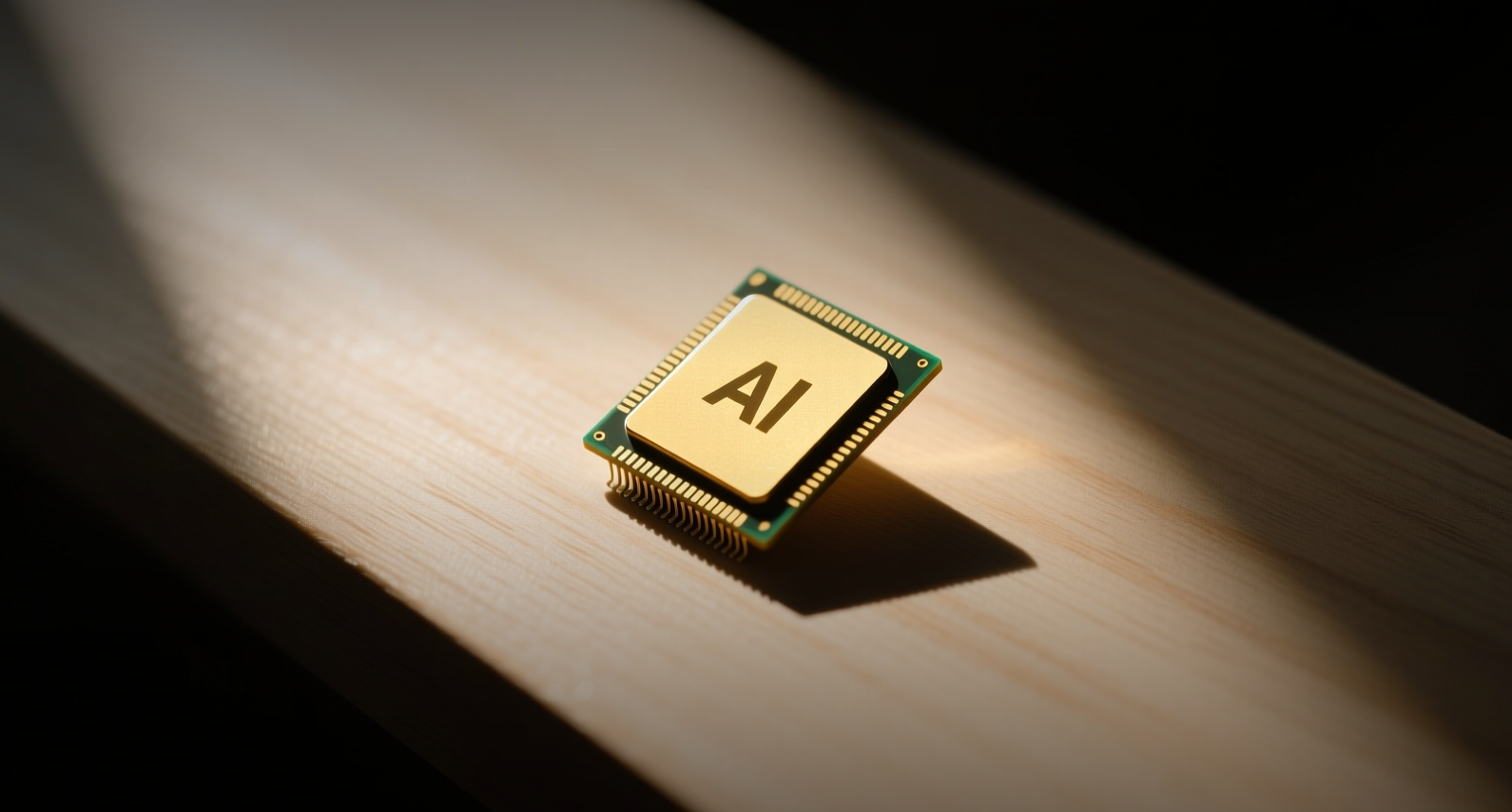
The massive artificial-intelligence build-out is emerging as a persistent new catalyst for inflation, driving up prices for semiconductors, consumer electronics and electricity just as Federal Reserve Chair Kevin Warsh confronts a divided Federal Open Market Committee and inflation running at a three-year high.
"AI will be a significant disinflationary force, increasing productivity and bolstering American competitiveness," Warsh wrote in the Wall Street Journal in November, before becoming Fed chair. But the near-term reality is the opposite: Capital spending at five hyperscalers — Alphabet Inc., Amazon.com Inc., Meta Platforms Inc., Microsoft Corp. and Oracle Corp. — is projected at $741 billion this year, up almost 75% from 2025, according to FactSet. Columbia University economist Stijn Van Nieuwerburgh estimates total AI build-out spending through 2032 could reach about $8 trillion, nearly five times the market value of all New York City real estate.
That demand is already showing up in the price data. Wholesale electronic components and accessories jumped 27% in May from a year earlier, the Labor Department reported, while consumer prices for computer software and accessories rose 15%. Apple Inc. Chief Executive Tim Cook told the Wall Street Journal the jump in component costs was unlike anything he had seen "in any area in over 40 years." Nintendo Co., Microsoft Corp. and Sony Group Corp. have all raised prices on gaming devices. The Fed's preferred inflation gauge, the personal consumption expenditures price index, stood at 4.1% in May — more than double the central bank's 2% target and a level not seen sustained in over five years.
The question for Warsh, who took office May 22 after President Trump's handpicked successor to Jerome Powell, is whether the AI build-out represents a one-time price shock or a structural shift that keeps inflation elevated for years. Unlike the tariff-driven price increases of 2025 or the Iran war-fueled fuel spike that pushed trailing 12-month inflation from 2.4% in February to 4.2% by May, the AI build-out is a demand shock that could persist for years, according to strategists at Evercore ISI. In a National Association for Business Economics survey released Monday, 81% of economists said the AI build-out will add to inflation over the next year.
The Fed's Dilemma
Warsh presided over his first FOMC meeting on June 17, with policymakers holding the federal funds rate at 3.5% to 3.75% as expected. But the accompanying dot plot revealed a hawkish tilt: Nine of 18 FOMC members project at least one rate hike before year-end, including five who expect two increases and one who sees three. Only one member projected a cut. Warsh himself did not submit a projection.
"Persistently high prices are a burden for the American people," Warsh said at the post-meeting press conference, a 10-word statement that signaled the Fed's willingness to act. The FOMC statement removed its easing bias for the first time in over a year, after a majority of members opposed its inclusion in April, according to the meeting minutes.
Warsh's own voting record from his previous tenure on the Board of Governors from 2006 to 2011 leans decisively hawkish — he cautioned against lowering rates during the financial crisis, fearing low rates would spark inflation. The last time the Fed faced a comparable inflation overshoot, in the early 1980s, then-Chair Paul Volcker raised rates to 20% to break the cycle. While no one expects a repeat of that magnitude, the current Shiller price-to-earnings ratio for the S&P 500 near 43 — versus the historical average of 17.4 — leaves equity valuations with little margin for error if rate hikes materialize.
The Transmission Chain
The AI build-out's inflationary impact is propagating through multiple channels. Beyond chips and electronics, data centers are driving electricity demand: Goldman Sachs Group Inc. economists forecast data centers will account for nearly half of U.S. power demand growth through 2030, pushing consumer electricity prices up about 6% annually this year and next. Electricity accounts for only about 2.5% of consumer spending, according to the Labor Department, but the cumulative effect across categories could keep inflation broadly elevated.
Labor costs are also rising in sectors tied to the build-out. Average hourly earnings for electrical and wiring-installation contractors rose 6.5% in April from a year earlier, compared with 3.6% for all private-sector workers. Fed Governor Lisa Cook noted in a speech last month that only a small portion of announced data center spending has been physically deployed, suggesting the demand shock has further to run.
"If AI is as revolutionary as many economists predict, it could eventually cool inflation," as past technological revolutions boosted productivity. But UBS Group AG economists reckon it will be at least two years before AI starts helping to lower inflation. In the interim, the tension between Warsh's long-term optimism and the near-term data will define the Fed's policy path.
"The more these things happen, the more likely it is that people think, 'Hey, this is a pattern, maybe I shouldn't expect inflation to come back down,'" said Jón Steinsson, an economist at the University of California, Berkeley. The next FOMC meeting is scheduled for July 28-29, with OIS markets pricing a 38% probability of a rate hike by September, according to CME FedWatch data.
This article is for informational purposes only and does not constitute investment advice.