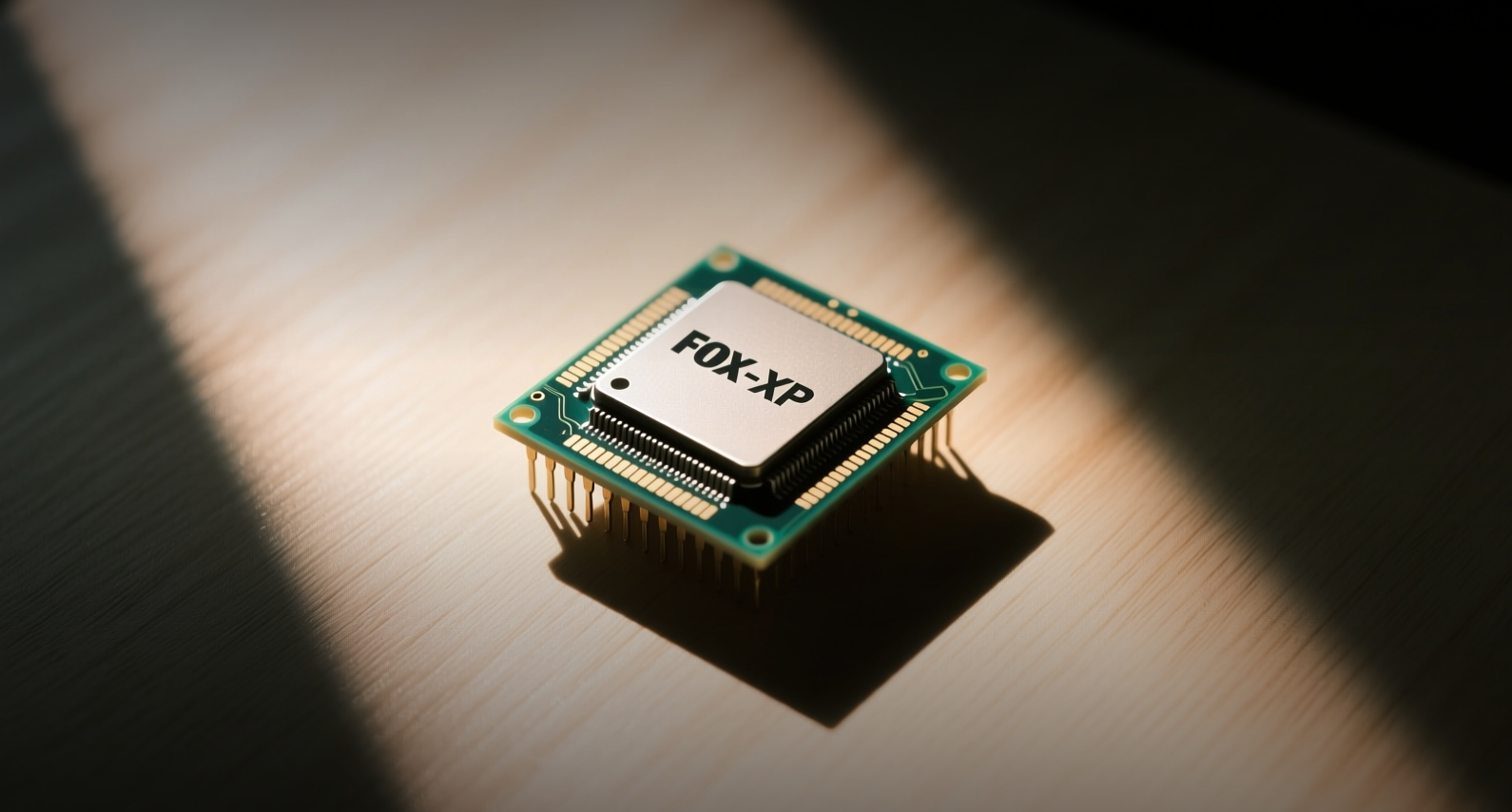
Aehr Test Systems has surged more than 400% this year, but its financials have yet to catch up to a valuation that now exceeds $3.5 billion.
Aehr Test Systems Inc. received a follow-on production order for its FOX-XP wafer-level burn-in system from a silicon photonics customer, extending a rally that has pushed the stock up more than 400% year to date.
"This order validates the expanding need for wafer-level test solutions as data centers deploy next-generation optical interconnects," Chief Executive Officer Gayn Erickson said in a statement.
The order, though for a single FOX-XP system, came with a customer forecast for additional systems this calendar year as the buyer — a global leader in networking products and a major supplier to the data center optical transceiver market — ramps capacity. Optical transceiver sales rose 70% year over year to $18 billion, according to industry estimates, creating a new demand vector for Aehr's test equipment beyond its core silicon carbide market for electric vehicles.
The question for investors is whether the stock's $3.5 billion market capitalization — roughly 43 times forward sales, more than four times its three-year average of 10 times — can be justified by a business that generated $10.3 million in revenue last quarter, down 44% from a year earlier, and swung to a loss of $0.05 per share from a profit of $0.07.
Order Momentum Masks a Revenue Gap
Aehr has announced multiple orders this year, including a record $41 million follow-on production order in April from its lead hyperscale customer for Sonoma package-level burn-in systems. The company's backlog reached $50.9 million before that April order, suggesting a pipeline that could drive revenue higher in coming quarters.
Yet the financial reality lags. For fiscal 2025, Aehr generated approximately $59 million in revenue, down 11% year over year, and consensus estimates project a further 17% decline to roughly $50 million in fiscal 2026. Analysts expect negative operating income over the next 12 months, according to data compiled by MarketBeat.
The divergence between order flow and reported revenue reflects the lumpy nature of semiconductor capital equipment sales — orders are booked, systems are built and shipped, and revenue is recognized upon delivery, a cycle that can span multiple quarters. Aehr's next earnings report, expected in July, will provide the first look at whether the order pipeline is translating into top-line growth.
Valuation Tests Investor Conviction
At 43 times forward sales, Aehr trades at a multiple that would typically require rapid revenue acceleration to sustain. The stock's 52-week range of $10.89 to $126.62 — a gain of more than 900% from its low — has drawn both believers and skeptics.
Prosper Stars & Stripes, a long/short equity fund, covered its short position in Aehr during the first quarter after the stock rallied against its thesis. The fund had argued that Aehr's customer concentration — ON Semiconductor accounted for roughly 80% of revenue — and narrow exposure to the SiC EV market made its valuation unsustainable. "Either our thesis is misplaced, or our timing premature," the fund said in its Q1 2026 investor letter, "and we adhered to our risk management discipline and covered the position."
Hedge fund interest has grown: 25 funds held Aehr at the end of the first quarter, up from 17 in the prior quarter, according to Insider Monkey data. T. Rowe Price added 1.3 million shares, and Goldman Sachs added 1.1 million shares. But insider activity tells a different story — company insiders have sold shares 50 times in the past six months with zero purchases, including CEO Gayn Erickson selling 152,824 shares worth approximately $10.8 million.
William Blair rates Aehr at Outperform with a $68 price target, implying roughly 40% downside from current levels near $115. The broader semiconductor equipment ecosystem is benefiting from tailwinds: hyperscale companies are projected to spend about $755 billion on AI-related capital expenditures by 2026, and the CHIPS Act continues to incentivize domestic manufacturing expansion, with Amkor's recent 10-year procurement agreement with TSMC for its Arizona facility creating new demand for test infrastructure.
For Aehr to justify its current valuation, the order announcements must translate into sustained revenue growth. The July earnings report will be the first major test of whether the company's financials can begin closing the gap with its stock price.
This article is for informational purposes only and does not constitute investment advice.