
Microsoft ve Google dahil beş lider yapay zeka geliştiricisine yönelik ABD Kongre incelemesi, hızla büyüyen sektör için yeni bir düzenleyici denetim aşamasına işaret ediyor.
Microsoft ve Google dahil beş lider yapay zeka geliştiricisine yönelik ABD Kongre incelemesi, hızla büyüyen sektör için yeni bir düzenleyici denetim aşamasına işaret ediyor.
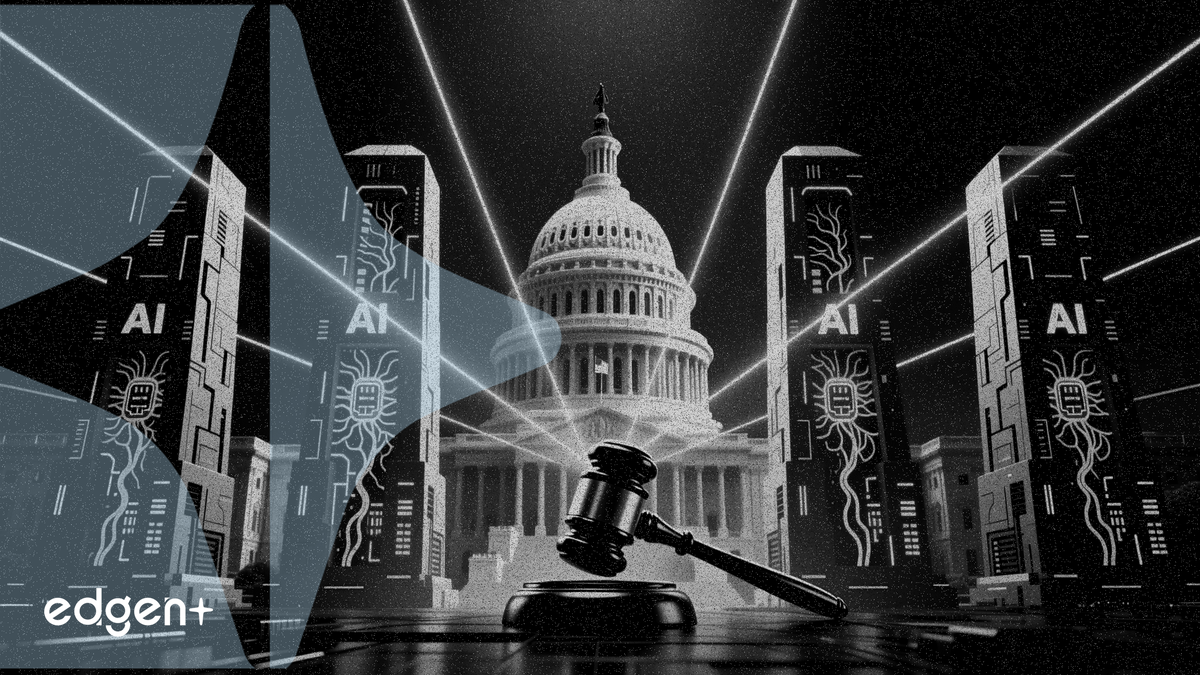
ABD'li milletvekilleri, beş büyük teknoloji firması tarafından geliştirilen büyük dil modellerine yönelik bir inceleme başlattı; bu hamle, yapay zeka sektörü üzerindeki artan düzenleyici baskının sinyalini veriyor ve en büyük oyuncuları için yeni bir belirsizlik yaratıyor. İki partili milletvekili grubu, 14 Mayıs'ta Microsoft, Google, X, Anthropic ve Perplexity'ye mektuplar göndererek, güçlü yapay zeka sistemlerini eğitmek için kullanılan veriler, güvenlik protokolleri ve içerik denetleme politikaları hakkında bilgi talep etti.
İnceleme, kendi hizmetlerini iyileştirmek için yapay zeka kullanımını araştıran ABD hükümeti için karmaşık bir dinamik yaratıyor. Kongre Kütüphanesi Vekili Robert Newlen kısa süre önce güvenli, kurumsal bir yapay zeka platformu geliştirmek için 5,4 milyon dolar talep etti ve milletvekillerine bu platform olmadan "geride kalacağımızı" söyledi. Newlen, hükümetin teknolojiyi hem teşvik etme hem de kontrol etme konusundaki ikili çıkarına vurgu yaparak, "Yapay zeka modellerini kontrollü ve güvenli bir ortamda geliştirip yönetebilmemiz gerekiyor" dedi.
ABD'li milletvekillerinin bu hamlesi, Avrupa'daki daha ileri düzeydeki düzenleyici baskıyı takip ediyor. AB'nin Dijital Pazarlar Yasası (DMA), teknoloji devlerinin çalışma şekillerini değiştirmeye şimdiden zorluyor; Alphabet'in sahibi olduğu Google, yapay zeka rakiplerinin kendi hizmetlerine erişmesine yardımcı olmaya zorlayacak tekliflerle karşı karşıya. Apple, bu önlemleri sert bir şekilde eleştirerek Avrupa Komisyonu'na sunduğu bir bildiride, bunların "kullanıcı gizliliği ve güvenliği için derin riskler oluşturacağı" uyarısında bulundu.
Yatırımcılar için ABD incelemesi, zaten yasal ve finansal zorluklarla karşı karşıya olan bir sektöre başka bir risk katmanı ekliyor. Bu denetim, yapay zeka gelişimini yöneten yeni mevzuatlara yol açabilir, potansiyel olarak inovasyon hızını sınırlayabilir ve gelecek büyümesini yapay zekaya bağlayan Microsoft ve Google gibi şirketler için uyum maliyetlerini artırabilir. Bu gelişme, incelemede adı geçen firmalardan biri olan Anthropic'in, yapay zekasının telif hakkı alınmış materyaller üzerinden eğitildiği iddiaları üzerine yazarlarla 1,5 milyar dolarlık bir uzlaşma sürecinde olduğu bir döneme denk geliyor ve bu da yasal zorlukların artan maliyetlerini gösteriyor.
Kongre incelemesi, ABD'nin Avrupa'nın teknoloji düzenlemeleri konusundaki daha iddialı duruşunu yansıtmaya başlayabileceğini gösteriyor. ABD tarihsel olarak daha hafif bir yaklaşımı tercih etse de, üretken yapay zekanın hızlı yayılımı, telif hakkı ihlalinden kitlesel dezenformasyon potansiyeline kadar pek çok konuda siyasi yelpazenin her kesiminde endişelere yol açtı.
AB'nin DMA'sı potansiyel bir plan görevi görüyor ve uygulaması küresel olarak yakından izleniyor. Apple'ın, Avrupa Komisyonu'nun "üç aydan kısa süren bir çalışmaya" dayanarak etkili bir şekilde "bir işletim sistemini yeniden tasarladığını" belirttiği kamuoyu eleştirisi, büyük teknoloji şirketlerinin derin direncini örneklendiriyor. Apple ve Google'ın Brüksel'deki tepkisi, sorgulanan beş şirketin ABD'li milletvekillerine vereceği yanıtlarda izleyeceği stratejileri şekillendirebilir ve yapay zeka yönetişiminin geleceği üzerine uzun sürecek bir tartışmaya zemin hazırlayabilir.
Hükümetin pozisyonu, Kongre Kütüphanesi'nin yapay zeka girişimiyle vurgulandığı üzere benzersiz bir karmaşıklığa sahip. Robert Newlen gibi yetkililer, teknolojiyi devasa veri setlerini yönetmek ve yasa özetlerindeki birikmiş iş yükünü çözmek gibi kamu hizmetlerini iyileştirmek için kullanmaya hevesli. Newlen, kurumsal bir yapay zeka platformu ile Kongre Araştırma Servisi'nin Kongre'ye daha verimli analizler sunabileceğini belirtti.
Hükümetin kendi içinden inovasyon yapma arzusu, dış düzenleme baskısıyla paralel ilerliyor. Bu durum politika yapıcılar için merkezi zorluğun altını çiziyor: Faydalanmak istedikleri teknolojik ilerlemeleri engellemeden halkı koruyan koruma mekanizmalarını nasıl kuracaklar? Dolayısıyla bu incelemenin sonucu, ABD'nin bu dengeyi nasıl kuracağına dair bir emsal teşkil edebilir ve tüm yapay zeka endüstrisinin rekabet ortamı üzerinde önemli etkiler yaratabilir.
Bu makale yalnızca bilgilendirme amaçlıdır ve yatırım tavsiyesi niteliği taşımaz.
