Key Takeaways
- Three Republican lawmakers frame crypto policy as a national security issue.
- Speakers warn a failure to lead in digital assets creates risks.
- Panelists tie regulatory clarity to economic competition with China.
Key Takeaways

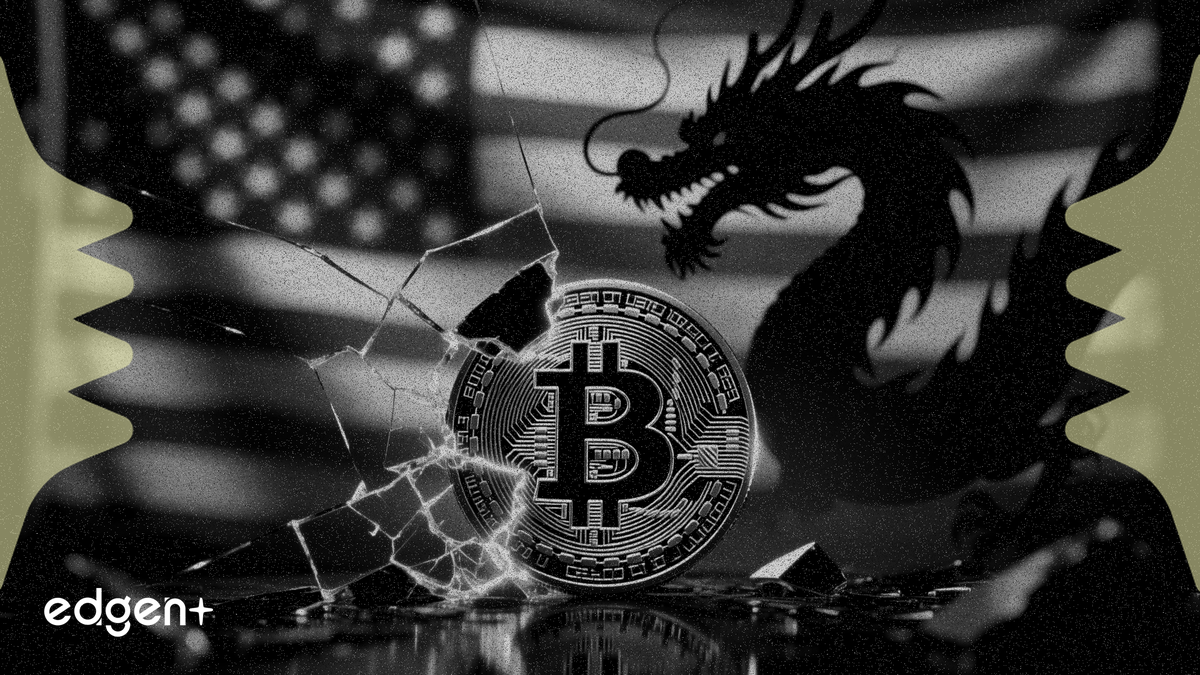
Three Republican members of Congress positioned digital asset regulation as a matter of national security during a panel at the Bitcoin 2026 conference, arguing U.S. inaction benefits China.
"Decisions and elections have consequences,” Rep. Zach Nunn (R-Iowa) said, warning that losing the November midterm elections could reverse 18 months of legislative progress and allow adversaries to gain ground.
Nunn, alongside Reps. Mariannette Miller-Meeks (R-Iowa) and Mike Lawler (R-N.Y.), spoke on a panel moderated by Coinbase Chief Policy Officer Faryar Shirzad. Miller-Meeks described Bitcoin as “financial democracy” and linked its adoption to patriotism, while Lawler stressed the need for a comprehensive federal regulatory framework to keep the crypto industry in the U.S.
The discussion frames the upcoming election as a critical juncture for the digital asset industry, suggesting the results will determine whether the U.S. establishes clear rules or cedes financial innovation and influence to other nations.
The lawmakers' comments reflect a significant shift in the Republican party's approach to cryptocurrency, focusing on geopolitical competition rather than solely on consumer protection. Both Miller-Meeks and Nunn explicitly named competition with China as a primary driver for creating a clear U.S. crypto policy.
“We want to dominate,” White House digital asset adviser Patrick Witt said in a separate panel, echoing the sentiment of U.S. leadership. He argued that passing the Clarity Act would cause "Bitcoin and crypto to take off like a rocketship."
The conversation in the U.S. contrasts with regulatory moves in other Western countries. Canada is advancing a bill to ban crypto donations to political campaigns, a measure that has already been enacted in the United Kingdom over concerns about foreign influence. The U.S. Federal Election Commission, however, has permitted crypto donations since 2014.
Nunn also criticized what he termed the "double taxation" of Bitcoin mining in the U.S., arguing it pushes innovation to other countries. The panel collectively made the case that without a stable and predictable regulatory environment, the U.S. risks losing its position at the forefront of the digital asset space.
This article is for informational purposes only and does not constitute investment advice.