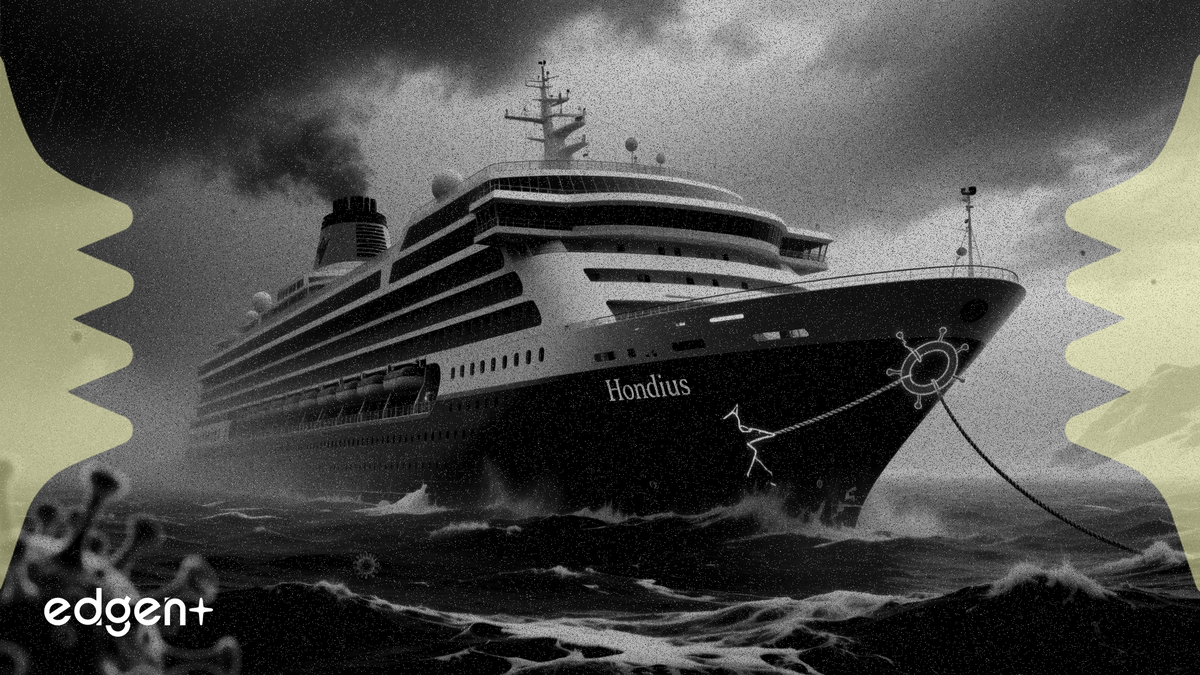
Trois personnes sont décédées et au moins sept autres sont tombées malades suite à une suspicion d'épidémie de hantavirus sur le navire de croisière MV Hondius, actuellement ancré au large des côtes du Cap-Vert, en Afrique de l'Ouest. L'Organisation mondiale de la santé enquête sur l'épidémie à bord du navire sous pavillon néerlandais, exploité par Oceanwide Expeditions, qui effectuait un voyage de plusieurs semaines au départ de l'Argentine.
« Notre hypothèse de travail est qu'il y a probablement plusieurs types de transmission différents qui pourraient se produire », a déclaré Maria Van Kerkhove, directrice de la préparation et de la prévention des épidémies et des pandémies à l'OMS, lors de l'émission BBC Breakfast. L'OMS a indiqué que l'Espagne avait accordé au bateau l'autorisation d'accoster aux îles Canaries, mais le ministère espagnol de la Santé a précisé qu'une décision serait prise en fonction des données épidémiologiques.
L'enquête se concentre sur le virus Andes, une souche rare de hantavirus présente en Argentine et au Chili, qui peut se transmettre d'homme à homme et présente un taux de mortalité de près de 40 %. Cette possibilité a pris de l'ampleur après que l'OMS a noté qu'aucun rongeur, porteur typique du hantavirus, n'avait été trouvé à bord du navire.
La chronologie de l'épidémie a commencé après le départ du navire d'Argentine le 1er avril. Un Néerlandais est décédé sur le navire le 11 avril, et sa femme, évacuée, est décédée plus tard dans le mois. Un passager britannique a été évacué vers l'Afrique du Sud le 27 avril et se trouve dans un état critique. Un passager allemand est décédé le 2 mai. Deux membres d'équipage, dont le médecin du bord, seraient également malades et attendraient une évacuation médicale.
La situation a laissé 149 passagers et membres d'équipage, dont 17 Américains, dans l'incertitude. Oceanwide Expeditions s'efforce de rapatrier les membres d'équipage et les passagers malades. L'incident soulève des inquiétudes importantes pour l'industrie des croisières d'expédition, soulignant les défis de la gestion des crises sanitaires dans des lieux isolés et le potentiel de dommages financiers et de réputation sévères.
Cet article est à titre informatif uniquement et ne constitue pas un conseil en investissement.