

Key Takeaways: The U.S. tariff wall on imported drones could hand ZenaTech a cost advantage in defense markets through its U.S.-Taiwan supply chain.
Key Takeaways: The U.S. tariff wall on imported drones could hand ZenaTech a cost advantage in defense markets through its U.S.-Taiwan supply chain.
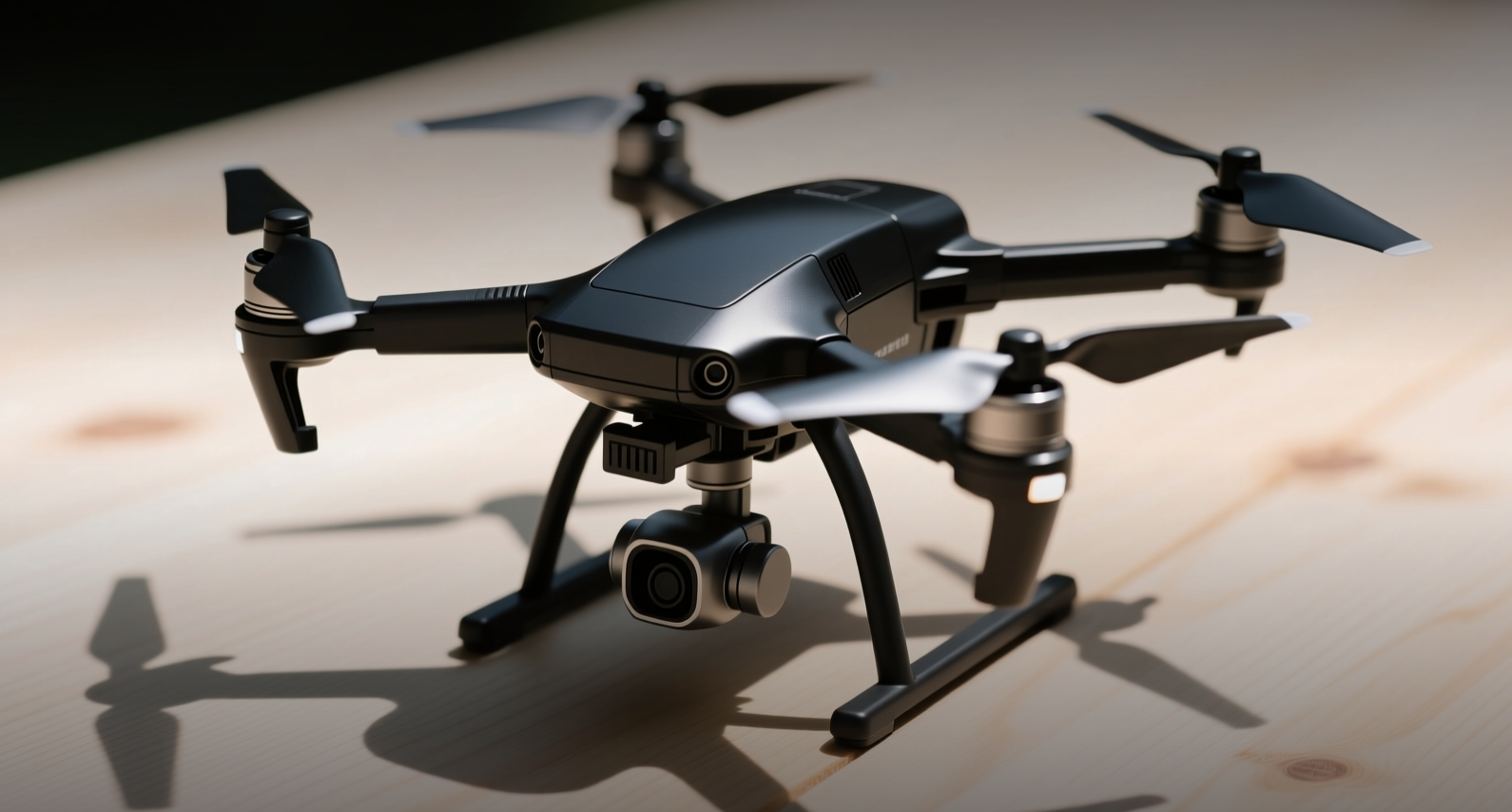
The U.S. imposed Section 232 tariffs of up to 100 percent on imported drones August 13, handing Vancouver-based ZenaTech a cost edge in defense markets through its U.S.-Taiwan supply chain.
"For years, the drone industry rewarded whoever could build the most inexpensively offshore, creating a supply chain now recognized as a national security vulnerability," said Dr. Shaun Passley, chief executive at ZenaTech. "The new Section 232 tariffs reinforce our strategy and could significantly strengthen ZenaDrone's competitive position in the U.S. defense market."
The proclamation, signed August 13, imposes a 100 percent tariff on drones heavier than 25 kilograms, any drone carrying a thermal imager, docking stations and listed critical components, effective September 3. Smaller drones face a 25 percent rate. Qualifying products from Taiwan, the EU, Japan, South Korea, Switzerland and Liechtenstein get a 15 percent cap, while UK goods face 10 percent — provided "substantially all" hardware and software originates in those countries or the U.S. ZenaTech's Spider Vision Sensors subsidiary in Taiwan qualifies for the preferential tier.
The tariff differential could shift procurement in a U.S. defense drone market where ZenaTech competes against Red Cat Holdings, AeroVironment and Kratos Defense & Security Solutions. The proclamation also creates an onshoring program under which Commerce can grant duty relief to companies building U.S. drone capacity — a pathway ZenaTech said it will evaluate as it weighs expanding domestic manufacturing.
The duties arrive eight months after the FCC added all foreign-made drones to its Covered List on December 22, 2025, blocking new model authorizations, and three weeks after the agency proposed banning imports of previously approved thermal, LiDAR, spray and docking hardware. The Commerce Department opened its Section 232 investigation on July 1, 2025, following the June "Unleashing American Drone Dominance" executive order that called for expanding domestic drone manufacturing.
The 100 percent tier targets the largest platforms and thermal-equipped aircraft that anchor drone-as-first-responder and search-and-rescue programs. The 25 percent rate lands on consumer drones still on American shelves, including DJI models that have sold through Amazon despite never officially launching in the U.S. The proclamation concedes that most commercial and industrial drones, even those built domestically, incorporate parts produced overseas — motors, electronic speed controllers and lithium-ion batteries still come largely from Chinese supply chains.
ZenaTech's bet on vertical integration predates the policy. The company builds its ZD 1000 and Counter-UAS platforms in the U.S. and sources components through Spider Vision Sensors in Taiwan, which could help it capture demand for NDAA-compliant, domestically manufactured drones. The company said it is reviewing tariff schedule classifications and product-level determinations and will provide updates as they develop.
The proclamation authorizes Commerce to grant relief to companies committing to build, expand or refurbish U.S. drone manufacturing, though it has not published qualification criteria. AUVSI, which endorsed the action, pressed the agency to clarify how the duty-free pathway will work for companies already building here.
The sector rallied on the news. Unusual Machines closed 24 percent higher at a record high, Red Cat Holdings climbed 8.8 percent, Kratos added 2.9 percent and AeroVironment closed up 1.8 percent. ZenaTech's shares have reacted to company news with moves ranging from minus 0.72 percent to plus 12.11 percent this year.
The last time stacked duties hit Chinese drone hardware, in April 2025, the total burden briefly pushed toward 170 percent and prices for small businesses and first responders doubled before rates came down. This time the duties are drone-specific, signed under a national security finding and built to stay. The FCC import-ban docket closes September 2; the tariffs take effect September 3.
This article is for informational purposes only and does not constitute investment advice.
