
Washington's new economic-warfare campaign against Tehran is cementing a geopolitical risk premium that has pushed Brent crude above $93 a barrel.
Washington's new economic-warfare campaign against Tehran is cementing a geopolitical risk premium that has pushed Brent crude above $93 a barrel.
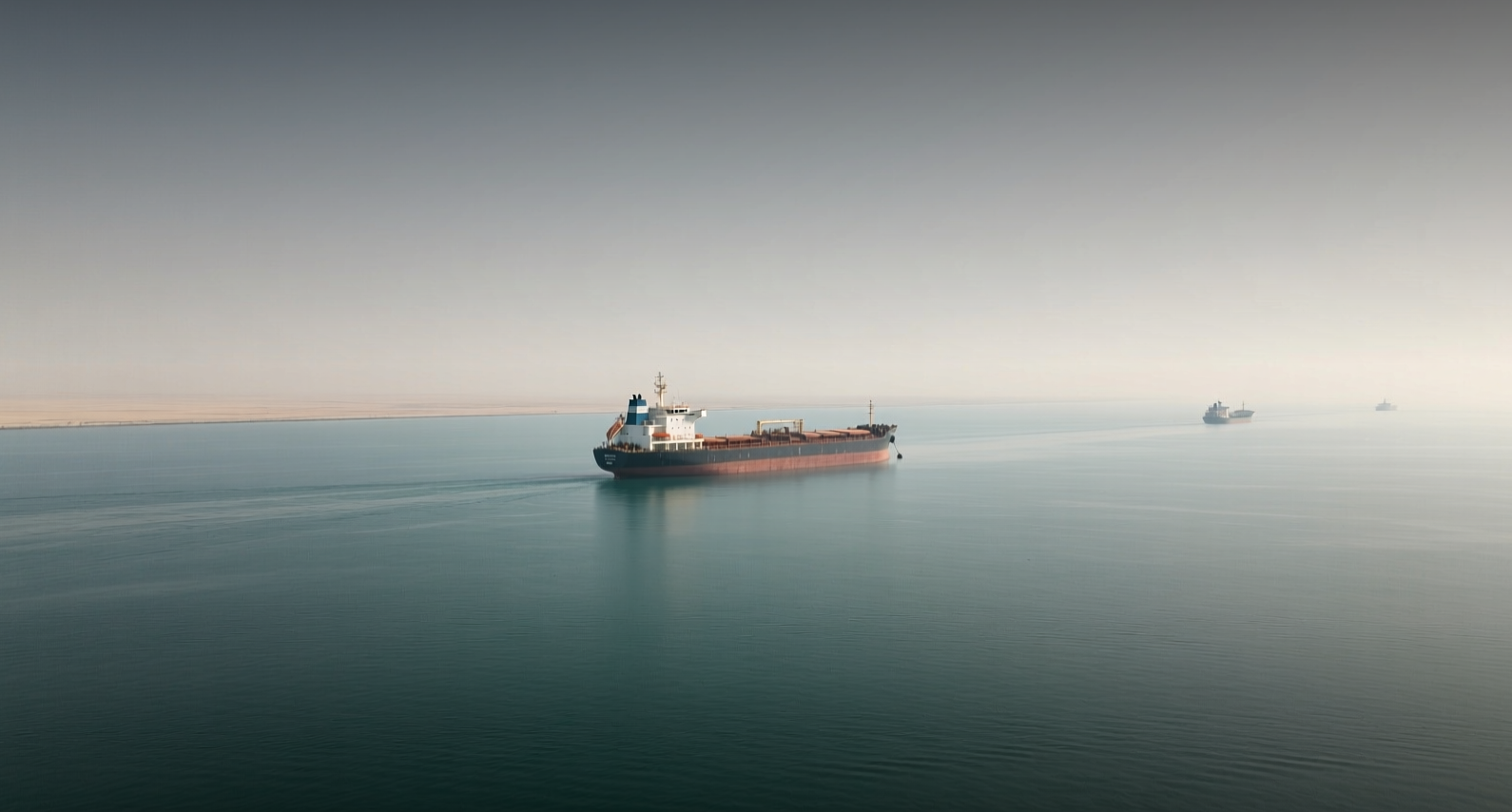
Washington's new economic-warfare campaign against Tehran is cementing a geopolitical risk premium that has pushed Brent crude above $93 a barrel.
Trump's threat of "economic warfare and isolation on an unprecedented scale" against Iran kept Brent crude above $93 a barrel Friday as the Strait of Hormuz stays largely shut.
"Both sides are dug in but lacking the luxury of time to play the waiting game, against a backdrop of crude prices grinding unerringly higher," said Tony Sycamore, an analyst at IG.
Brent futures rose 4 cents to $93.82 a barrel by 0142 GMT, after climbing 2.4% in the previous session, while West Texas Intermediate slipped 6 cents to $86.78. Over the past five sessions Brent has gained more than 7% and WTI more than 8%, reaching their highest since July 24. Only nine vessels transited the Strait of Hormuz on Wednesday, far below the pre-war flow that carried about one-fifth of global oil consumption.
The escalation threatens to keep energy costs elevated for importing economies just as the U.S. national debt crossed $40 trillion, and it sets up a test of whether China — Iran's largest trading partner and primary buyer of its crude — will defy Washington as President Xi Jinping prepares to visit the U.S. next month.
Iranian Foreign Minister Abbas Araghchi dismissed the campaign as doomed to fail, pointing to a record of U.S. pressure that he said has never worked. "This is a play we have seen before — the same rhetoric, just a different set of bullies," Araghchi wrote on social media Thursday, recalling sanctions billed as the "toughest in history" 14 years ago, a "maximum pressure" drive eight years ago, and a demand for "unconditional surrender" five months ago. Treasury Secretary Scott Bessent countered that the U.S. will impose "the toughest sanctions in history" alongside its naval blockade, telling CNBC the goal is to "collapse this regime."
Hormuz Stays Shut as Talks Stall
The 60-day ceasefire agreed under a June 17 memorandum of understanding has lapsed with no sign of renewal. Iran has listed six demands — including an immediate end to the U.S. military presence in the region — that Washington has dismissed, with Trump instructing negotiators to instead seek compensation for casualties. The UAE, a major Gulf trading hub, suspended all financial and economic transactions with Iran this week, tightening the squeeze on Tehran's access to global markets. Iranian lawmaker Ebrahim Rezaei has gone further, calling for Tehran to withdraw from the Nuclear Non-Proliferation Treaty in response to the escalation.
China Looms as the Wildcard
The effectiveness of the campaign may hinge on Beijing. The U.S.-China Economic and Security Review Commission identifies China as Iran's largest trading partner and the primary buyer of its oil, and Bessent declined to say whether sanctions would target Chinese entities, saying only that "everyone wants the Strait re-opened." The last time Washington pursued a similar maximum-pressure strategy, in 2018, Brent spiked above $85 before easing as waivers let buyers keep importing Iranian crude — a precedent suggesting enforcement, not announcement, will set the oil price path.
For markets, the risk is that the standoff persists without a diplomatic off-ramp, keeping the risk premium embedded in crude and feeding through to inflation expectations across importing economies. If talks resume and Hormuz reopens, Brent could shed that premium quickly; if the war grinds on, the path of least resistance for prices remains higher.
This article is for informational purposes only and does not constitute investment advice.
