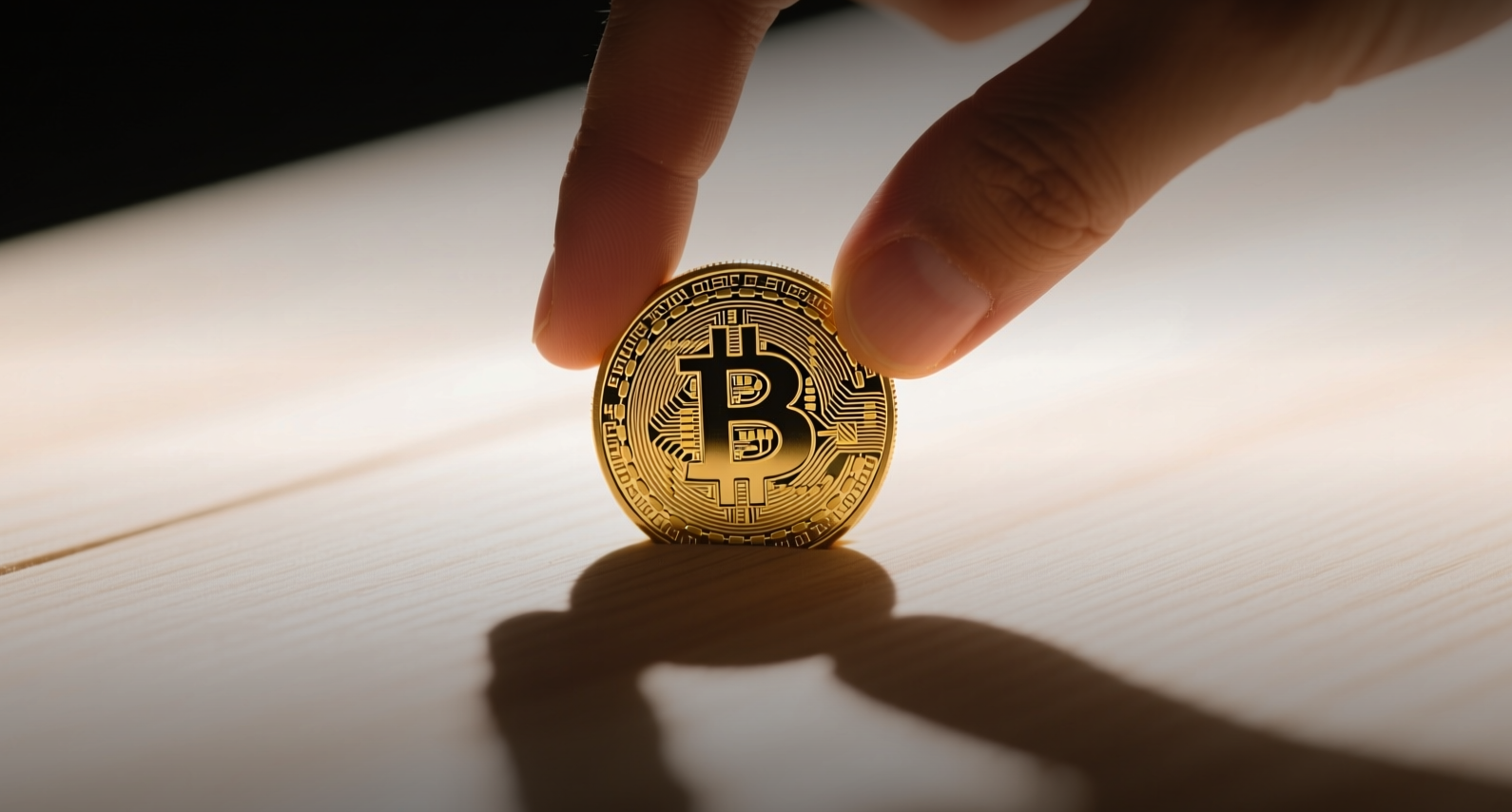
Tesla's $25 billion artificial-intelligence spending plan raises a question the market hasn't had to ask since 2022: will the company need to tap its Bitcoin hoard to fund the gap?
Tesla plans to spend more than $25 billion on capital expenditures in 2026, roughly three times the $8.5 billion it spent last year, with most of the outlay directed toward AI infrastructure, the Optimus humanoid robot, and robotaxi rollout. Chief Financial Officer Vaibhav Taneja confirmed on the April earnings call that the spending means free cash flow will turn negative for the remaining three quarters of the year.
"Tesla's investment cycle is entering a phase where the cash burn is real and the payoff is distant," said Nina Volkov, a crypto macro analyst. "The Bitcoin position becomes relevant not because Tesla will necessarily sell it, but because the market will start pricing in that tail risk."
The company held 11,509 Bitcoin as of its most recent disclosure, valued at roughly $786 million at current prices. That represents less than 2 percent of Tesla's $44.74 billion cash pile, but the symbolic weight is larger. Tesla was one of the first major corporations to add Bitcoin to its treasury in 2021, buying $1.5 billion worth at an average price near $32,000. It sold 75 percent of its holdings in 2022 and has not traded the position since.
Tesla reports second-quarter earnings on July 22, with analysts expecting revenue of $25.81 billion and earnings per share of $0.50, according to the Zacks consensus. The delivery numbers are already known — 480,126 vehicles, comfortably above the 400,000-unit estimate — so the focus will fall on margins, capital spending, and the timeline for projects that have yet to generate meaningful revenue.
The $25 Billion Question
The scale of the spending is unusual even by Tesla's standards. The company's capital expenditure guidance for 2026 is more than triple the prior year's level, and the CFO has been explicit about the near-term cost. Free cash flow turning negative means Tesla is burning cash at a time when its core auto business faces margin pressure and uncertain demand.
Tesla's stock has fallen 17.82 percent year to date, underperforming the S&P 500's 8.73 percent gain. The forward price-to-earnings multiple of 287.34 times sits nearly 90 percent above the company's own five-year average of 151.44 times, reflecting a market that is pricing in future AI and robotics revenue that has not yet materialized.
The Bitcoin position, while small relative to Tesla's market capitalization of roughly $800 billion, offers a potential liquidity buffer. If the cash burn extends longer than expected, the company could liquidate part or all of its crypto holdings without triggering a debt issuance or equity dilution. That scenario would put downward pressure on Bitcoin, adding a macro headwind to an asset already sensitive to liquidity conditions.
What the Earnings Call Could Reveal
Elon Musk said on the first-quarter call that Optimus production would begin around late July or August, though he described the 2026 output as "literally impossible to predict." The company has reportedly told suppliers it needs 1,000 components per week by September and up to 2,500 per week by year-end, though Tesla has not confirmed those figures.
The robotaxi business, another major investment target, is live in four US cities — Austin, Dallas, Houston, and Miami — but Musk has said revenue will not become meaningful until 2027. That timeline leaves a gap of at least 18 months between peak spending and the start of returns.
Tesla's balance sheet provides a cushion. The company holds $44.74 billion in cash against $15.89 billion in debt, giving it room to fund the investment cycle without immediate distress. But the market's tolerance for negative free cash flow at a 287-times earnings multiple is not unlimited. Every quarter without a clear monetization path for Optimus or robotaxi increases the probability that investors start asking harder questions about every asset on the balance sheet — including the Bitcoin.
This article is for informational purposes only and does not constitute investment advice.