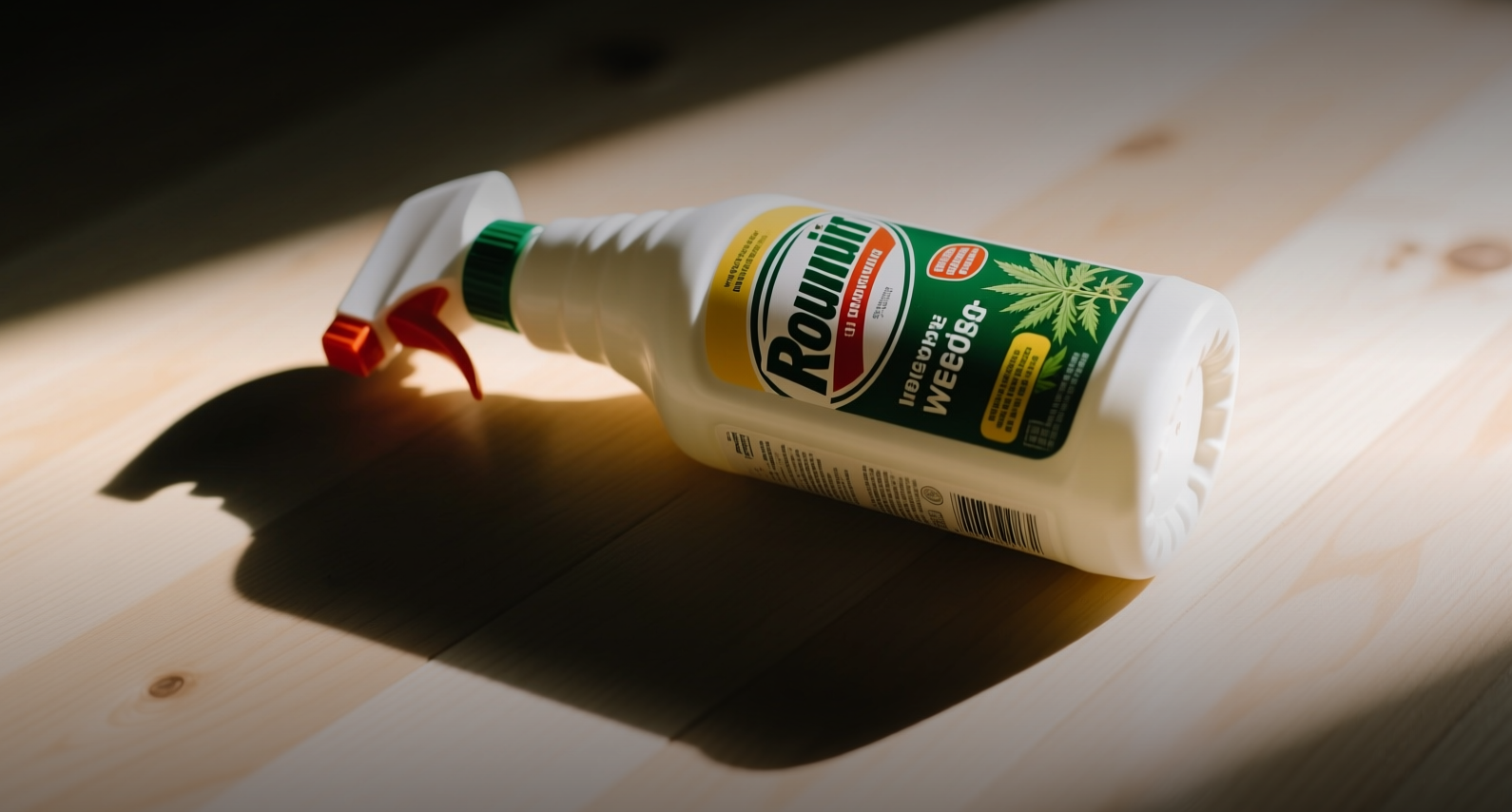
The U.S. Supreme Court in June handed Bayer its biggest legal victory in years, ruling 7-2 that plaintiffs cannot sue the German company under state law for failing to warn that glyphosate, the active ingredient in its Roundup weedkiller, causes cancer. The decision effectively caps thousands of lawsuits that had threatened Bayer with billions of dollars in potential liability and sent its shares to their biggest single-day gain in 23 years.
"The Supreme Court decision is good for science, farmers, and industries that depend on regulatory clarity for innovation," Bayer said in a statement following the June 25 ruling.
The glyphosate ruling was the most consequential of three recent regulatory wins for the pesticide industry. In February, the Environmental Protection Agency re-approved the weedkiller dicamba for two growing seasons under new restrictions, reversing a 2024 court ruling that had vacated its registration and left farmers unable to spray the chemical on genetically engineered cotton and soybean crops in 2025. In April, the U.S. Fish and Wildlife Service issued a biological opinion concluding that atrazine, a widely used herbicide produced by Syngenta, does not pose an extinction risk to threatened or endangered species — a sharp reversal from the EPA's own 2021 evaluation, which found the chemical was likely to adversely affect more than 1,000 protected species.
The string of industry victories reflects a broader shift under President Donald Trump's administration, which has sided with pesticide makers in court and pursued an aggressive deregulatory agenda at the EPA. The agency, led by administrator Lee Zeldin, has proposed overturning the landmark finding that climate change threatens human health, rolled back dozens of environmental regulations, and frozen billions of dollars in clean energy funding. The pivot has created a rift with the "Make America Healthy Again" movement led by Health and Human Services Secretary Robert F. Kennedy Jr., whose supporters helped Trump win the 2024 election but now say the administration has abandoned its promises on chemical safety.
Glyphosate liability capped after years of litigation
Bayer acquired Roundup maker Monsanto in 2018 for $63 billion and has since faced tens of thousands of lawsuits from users who said the product caused their cancer. The company had warned it could stop producing the weedkiller if the legal burden continued to mount. Following the Supreme Court win, Bayer moved to consolidate its Roundup business into a new unit and sought U.S. duties on glyphosate imported from China. On July 8, the company asked a federal judge to dismantle the multidistrict litigation that consolidates nearly 4,000 remaining lawsuits.
The Trump administration filed a brief supporting Bayer's position in the Supreme Court case, a move that drew criticism from MAHA activists who had expected the administration to take a tougher stance on pesticides. Ken Cook, CEO of the Environmental Working Group, said the administration appears to have decided that "our constituency is these big farmers and pesticide companies." Under former President Joe Biden, Cook said, the EPA "was at least more cautious. There's a big shift."
Dicamba returns with tighter restrictions
The EPA's February approval of dicamba products for the 2026 and 2027 growing seasons came with new guardrails, including a reduced maximum application rate and limits on spraying during hot weather when the chemical is most prone to drifting onto neighboring fields. The agency described the approval as "deliberately temporary" and said it included "the strictest guardrails EPA has ever placed on this herbicide." Environmental groups, including the Center for Biological Diversity, said the measures would be difficult to enforce and ineffective at preventing drift damage.
The dicamba decision highlights the tension between the administration's stated MAHA priorities and its actions. Kyle Kunkler, a former lobbyist for the soybean industry who now leads pesticide policy at the EPA, helped shape the re-approval. The agency also employs Nancy Beck, a former executive at the American Chemistry Council, as a top official in its Office of Chemical Safety and Pollution Prevention.
Atrazine review marks sharp reversal
The Fish and Wildlife Service's biological opinion on atrazine, issued in May as part of the EPA's ongoing registration review, concluded that the herbicide "is not likely to jeopardize the continued existence" of any threatened or endangered species studied. The finding contrasts with the EPA's 2021 biological evaluation, which determined atrazine was likely to adversely affect protected species. The World Health Organization's International Agency for Research on Cancer classified atrazine as "probably carcinogenic to humans" in 2025, and the Centers for Disease Control and Prevention has cited studies linking the chemical to higher rates of certain cancers and pre-term births.
Nathan Donley, environmental health science director at the Center for Biological Diversity, said the Trump administration had "once again done the pesticide industry's bidding, allowing this extraordinarily dangerous pesticide to continue poisoning our land and water for decades to come." The EPA emphasized that the biological opinion was produced outside the agency and said it would weigh new science as its registration review continues.
MAHA agenda remains unfulfilled
Eight months after Zeldin pledged to release a formal MAHA agenda outlining the EPA's priorities on chemical safety and public health, no such document has materialized. An EPA spokesperson told the Associated Press this week that MAHA is "an ongoing effort, not a single report" and that the agency's actions should speak for themselves. Activists who supported Trump in 2024 say they plan to vote on issues rather than party in November's congressional elections, raising the political stakes of the administration's regulatory choices.
The EPA has pointed to $945 million in grants to help states and communities reduce PFAS in drinking water and a new interagency effort with HHS and the USDA to address heavy metals in food as evidence of its MAHA commitments. But for critics like Kelly Ryerson, the activist known as "Glyphosate Girl," the absence of a formal agenda reads as a tactic to escape accountability. "It absolves them of any failures, especially when it comes to midterms," she said. "They won't have to point to some list that they haven't been able to achieve really anything on."
This article is for informational purposes only and does not constitute investment advice.