
The Pentagon is becoming an oil investor, taking a 35 percent stake in a firm holding 65 billion barrels across 17 Venezuelan oil fields.
The Pentagon is becoming an oil investor, taking a 35 percent stake in a firm holding 65 billion barrels across 17 Venezuelan oil fields.
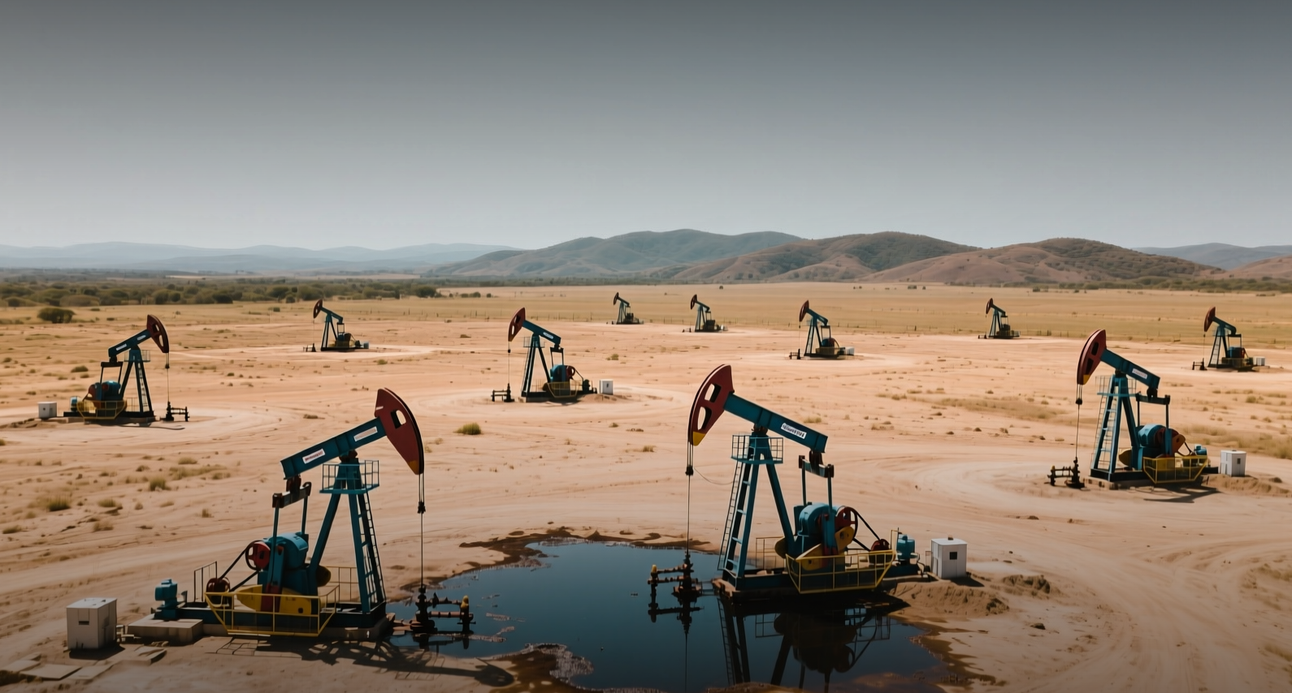
The Pentagon will take a 35 percent stake in North American Blue Energy Partners, which holds 100-year development rights to 17 Venezuelan oil fields with 65 billion barrels of proven reserves, the Wall Street Journal reported.
"This is an absolutely unconstitutional operation because this is an illegal government," said Diego Arria, former Venezuelan cabinet minister and ambassador now exiled in the United States.
The Office of Strategic Capital, a Defense Department unit, will structure the investment through penny warrants, acquiring equity without committing large capital upfront. The US also secures a right of first refusal to buy 20 percent of NABEP's crude output at cost. The State Department led negotiations but brought in the Pentagon late in the process to solve financing challenges. A delegation including OSC Director David Lorch traveled to Venezuela in July to finalize terms.
The deal gives Washington direct control over a supply source that could help replenish the Strategic Petroleum Reserve, which sits below 300 million barrels, while simultaneously countering China's influence in Latin America. But analysts warn that Venezuela's production of about 1.1 million barrels per day — down from roughly 3 million in the past — means meaningful output gains could take years, and legal challenges from a future Venezuelan government could unravel the arrangement.
NABEP, led by Venezuelan businessman Alejandro Betancourt, has become the country's second-largest private oil producer behind Chevron over the past two years. The Trump administration chose Betancourt because his company already operates locally and maintains deep ties with senior Venezuelan officials, according to the Journal. Betancourt previously faced money-laundering investigations in Spain and Switzerland, though he was never formally charged.
The deal emerged after major US oil producers including Exxon Mobil and ConocoPhillips declined to commit substantial capital to Venezuela, citing legal, security, and infrastructure concerns. Trump had publicly claimed the US had "secured" Venezuelan oil, and the government's direct investment was a way to deliver on that promise.
The urgency behind the deal stems from multiple pressures. Iran's restrictions on oil passage through the Strait of Hormuz have kept global energy prices elevated, pushing Washington to lock in a long-term Western Hemisphere supply source. The arrangement also aligns with the administration's strategy of pushing back against China's influence in Latin America. Venezuelan oil shipments to China fell to 48,000 barrels per day in February from 470,000 barrels per day, and Chinese loans backed by Venezuelan oil during Nicolas Maduro's rule now face repayment difficulties.
The deal's structure was designed in part to make it difficult for a future Venezuelan government to overturn. Decision-makers reasoned that a new government would be less likely to expropriate a private company than a US government entity, according to the Journal.
Critics point to direct conflicts with Venezuela's 1999 constitution, which states that the country's oil reserves belong to the republic and cannot be sold. The current government authorizing the agreement consists of unelected officials, raising questions about its legal authority. Energy industry officials say a future Venezuelan government could sue to overturn the agreement and might win.
The arrangement has also prompted comparisons to early 20th-century US intervention in Latin America. Alejandro Velasco, associate professor of history at New York University, compared the situation to the United Fruit Company's plantation model in Central America, which gave rise to the "banana republic" concept. "Venezuelans are completely at the mercy of the US government and the companies behind it," Velasco said. "Venezuela is now a client state."
Francisco Rodríguez, a Venezuela economist at the University of Denver, said the country has "effectively become a US protectorate," adding that the arrangement "serves not Venezuelan interests but US economic and security interests."
Rystad Energy partner Schreiner Parker cautioned that converting reserves into production carries enormous uncertainty. "If this deal survives successive Venezuelan governments, Trump will have locked in a strategic oil and gas reserve that surpasses the shale revolution," Parker said. "But how those barrels translate from reserves to actual production, and who invests the time, effort, and capital, remains unknown."
Ed Hirs, energy economist at the University of Houston, questioned the rationale: "Why would the US subsidize and prop up a major competitor to the American oil and gas industry?" He also warned the deal's stability would be tested once Trump leaves office.
Venezuelan interim President Delcy Rodriguez said the agreement would bring more than $100 billion in investment, over $209 billion in tax revenue, and substantial employment, while insisting "Venezuela retains ownership and sovereignty over its resources." Secretary of State Marco Rubio called the deal a "tremendous victory" that would lock in low-cost Western Hemisphere oil for Americans.
This article is for informational purposes only and does not constitute investment advice.
