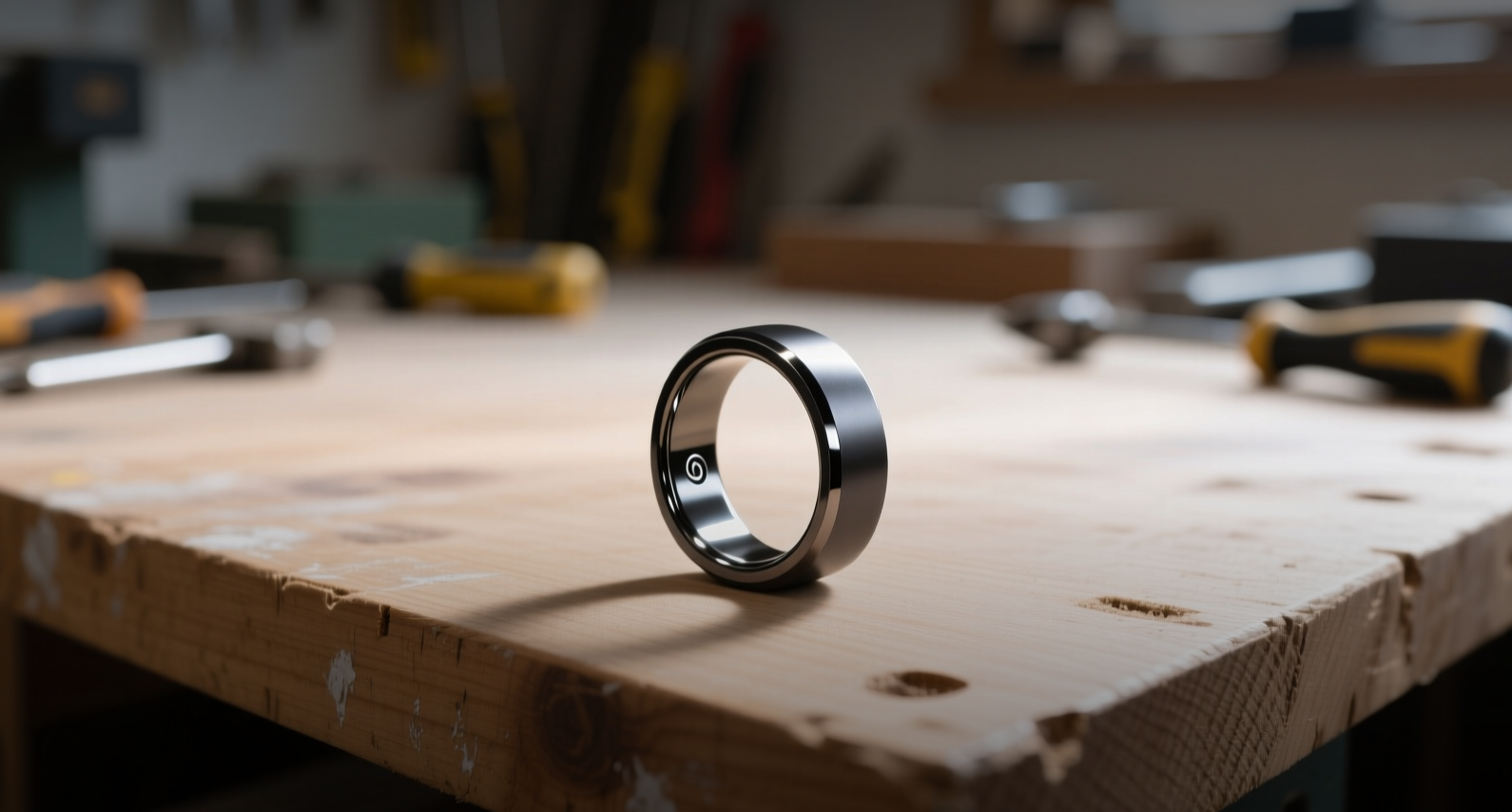
Oura filed paperwork Thursday for a Nasdaq listing that could value the smart-ring maker above $11 billion, disclosing revenue of $1.21 billion and a $60.8 million profit for the nine months ended June 30.
"We have experienced rapid growth in recent years. This rapid growth may not be sustainable or indicative of future performance, and we expect our growth rate to slow over time," the company said in its S-1 filing with the Securities and Exchange Commission.
Revenue rose 74 percent from $697.6 million a year earlier, while net income climbed from $1.6 million. The San Francisco-based company, founded in Finland in 2013, reported 5 million paying members and gross margins of 89 percent on memberships. Hardware sales accounted for about 80 percent of revenue, with subscriptions making up the remaining 20 percent. Subscribers opened the Oura app more than 3.5 times a day on average in the first three quarters of the fiscal year.
The listing would give public-market investors a direct stake in the wearable health-tech sector, where Oura has built a following among health and longevity enthusiasts. The company raised over $900 million last year at an $11 billion valuation in a round led by Fidelity Management & Research. It plans to trade under the ticker OURA as soon as this month, with Goldman Sachs, Morgan Stanley, JPMorgan, Allen & Co. and Jefferies leading the offering.
The filing reveals a subscription business with unusually strong economics. Membership gross margins of 89 percent compare favorably with consumer hardware peers, and the user base skews toward engaged demographics: 72 percent of subscribers are women, 42 percent are ages 30 to 45, and 31 percent are under 29. Oura said it has collected nearly 42 billion hours of biometric data from its rings, which retail for $349 to $499. Subscribers pay $5.99 a month or $69.99 a year for full access to health insights.
The company's growth has been driven by partnerships with sports leagues and celebrity ambassadors, and it cited the Defense Department as a key revenue generator. In May, Oura unveiled the fifth generation of its smart ring, which is 40 percent smaller than the previous version. The company also said it relies on outside AI models from OpenAI, Anthropic and Google for its health-intelligence features.
The 18-firm underwriting syndicate includes Robinhood, the retail brokerage that has been expanding access to IPO deals for its customers, alongside BofA Securities. Oura has not yet disclosed the amount it intends to raise or the price range for the offering.
The company flagged several risks in its filing, including concentration in a limited number of retail partners — its two largest customers accounted for 12 percent and 10 percent of revenue, respectively. It also cited potential impacts from trade tensions and tariffs on product costs, changes to tax-advantaged accounts that could affect consumer demand, and intensifying competition in the wearables market from Apple and Samsung.
Oura's path to profitability follows years of operating losses, and the company cautioned that it may not maintain profitability in future periods. The IPO window is expected to reopen after a summer lull, with issuers targeting the post-Labor Day period to get ahead of any uncertainty around November's midterm elections. Oura's listing will test investor appetite for health-tech hardware companies with subscription revenue models, and its debut pricing will set a benchmark for the smart-ring category.
This article is for informational purposes only and does not constitute investment advice.