
China's largest DRAM maker is fighting its Pentagon designation in court while revenue climbs 874 percent and Apple circles.
China's largest DRAM maker is fighting its Pentagon designation in court while revenue climbs 874 percent and Apple circles.
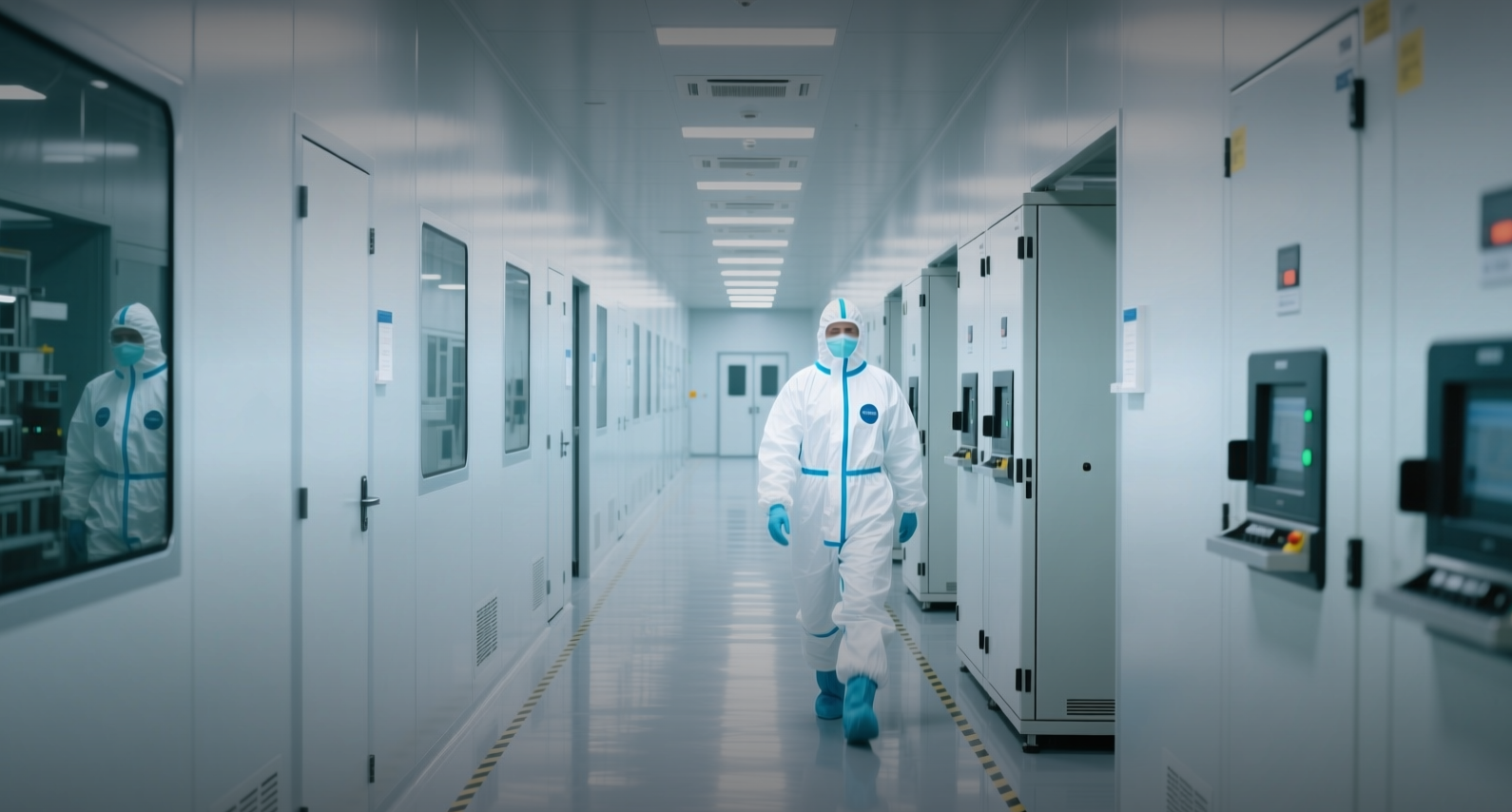
China's largest DRAM maker is fighting its Pentagon designation in court while revenue climbs 874 percent and Apple circles.
CXMT sued the US Department of Defense on Aug 28 seeking removal from the 1260H "Chinese military company" list, arguing the designation was arbitrary and violated due process, as first-half revenue surged 874 percent year-over-year.
"CXMT is not a military company and has no affiliation with the Chinese military," the Hefei-based chipmaker said in a statement. "Since its initial designation in January 2025, CXMT has continuously suffered reputational and commercial harm." The Defense Department declined to comment on pending litigation.
The lawsuit, filed in the US District Court for the District of Columbia, names Defense Secretary Pete Hegseth, Deputy Defense Secretary Steve Feinberg and Assistant Secretary of Defense Michael Cadenazzi as defendants. CXMT was first designated in January 2025 under the Biden administration. The Pentagon published a notice in February 2026 stating the company would be removed, then withdrew it the same day. The Trump administration relisted CXMT in June without adequate explanation, the complaint alleges.
The designation does not directly restrict commercial sales, but it blocks defense contracts, flags companies to investors, and is widely read as a precursor to Entity List placement, which would impose export controls. CXMT's legal challenge follows a string of Chinese companies — Xiaomi, Advanced Micro-Fabrication Equipment, WuXi AppTec and Hesai Technology — that have won staged victories against the 1260H list through US courts.
The WuXi AppTec case is particularly instructive. The court found the Defense Department had misread "a certain fund's 5.32 percent asset allocation into WuXi AppTec" as "the fund holding 5.32 percent of WuXi AppTec's shares," when the actual shareholding was only approximately 0.001 percent. In the Hesai Technology case, the court ruled the Defense Department failed to provide evidentiary materials before listing and failed to give the company an effective opportunity to respond, violating due process rights under the Fifth Amendment. Xiaomi won a preliminary injunction in 2021 and was removed from the list two months later. Alibaba also sued the Pentagon in June 2026 over its listing; that case remains pending.
On the same day it filed suit, CXMT announced mass production of LPDDR6 memory with peak transfer rates reaching 12,800 Mbps and maximum per-chip capacity of 16GB, to be first featured in the Xiaomi 18 Fold launching in September. The company's first-half 2026 revenue rose 874 percent year-over-year, making it the world's fourth-largest DRAM manufacturer, according to Reuters. CXMT listed in Shanghai on July 27 at RMB 8.66 per share, opened 471 percent higher, and within 17 days passed Tencent to become China's most valuable listed company at about RMB 3.54 trillion.
The company is actively seeking to enter the US market, and Apple has been testing CXMT chips for devices sold in China. While CXMT is not currently on the Commerce Department's Entity List — meaning Apple's procurement does not legally require special permission — Apple is lobbying the White House for political clearance to avoid pressure from US senators who oppose the move.
The 1260H list was created under the National Defense Authorization Act for Fiscal Year 2021. The Pentagon has increasingly used the list to limit companies' ability to contract with the military or obtain research funding. For US investors, placement on the list serves as a warning signal, as more severe trade restrictions could follow. As more Chinese companies challenge the list through legal means, the legality and procedural fairness of the 1260H designation are facing increasingly systematic judicial scrutiny.
This article is for informational purposes only and does not constitute investment advice.
