
Bessent met directly with Japan's finance minister and BOJ governor at the G20, pressing for rate hikes as the yen slid toward ¥160.
Bessent met directly with Japan's finance minister and BOJ governor at the G20, pressing for rate hikes as the yen slid toward ¥160.
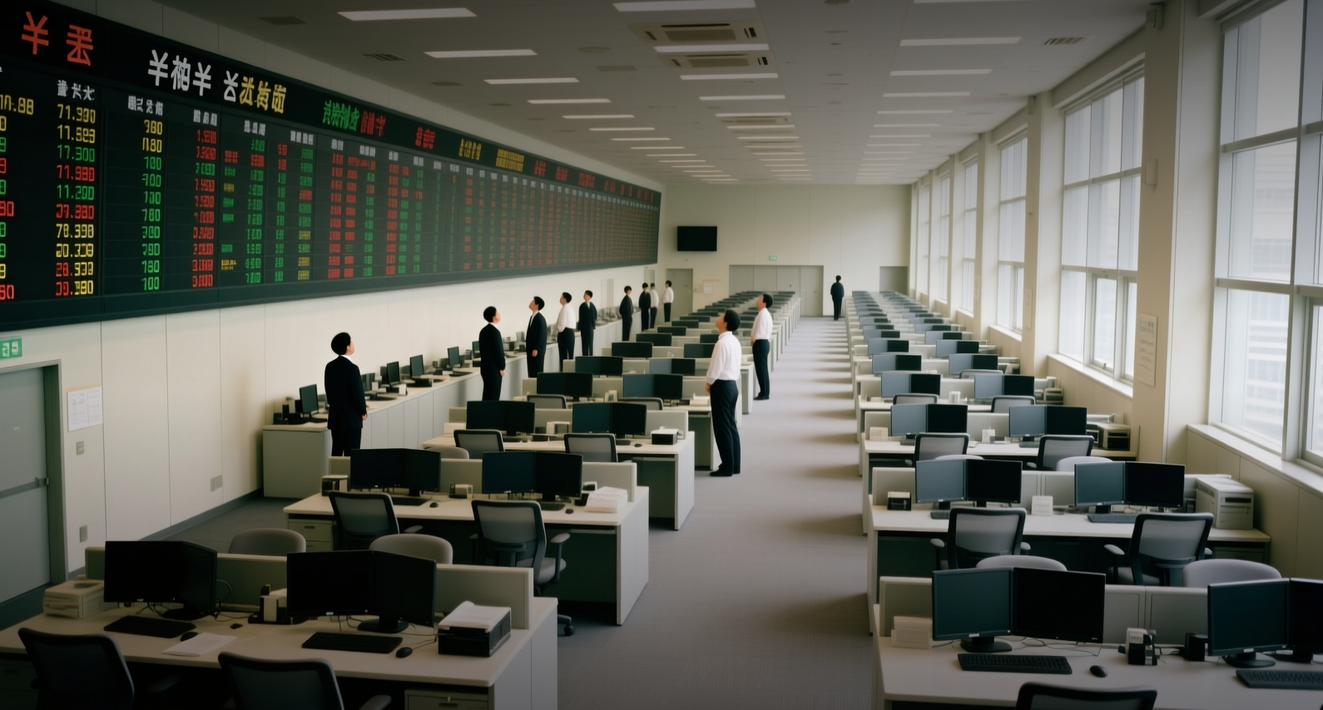
US Treasury Secretary Scott Bessent met directly with Japan's finance minister and BOJ governor at the G20, urging rate hikes as the yen slid toward ¥160 — its weakest since July's joint intervention.
"I believe the Japanese government and the BOJ will take measures that lead to a stronger yen," Bessent told CNBC on Aug. 31. When asked whether that meant a rate hike, he replied, "I think the market is already pricing that in."
The yen briefly spiked to ¥160.20 in Tokyo trading on Aug. 31 before pulling back to ¥159.70-80 in New York. Japanese authorities deployed a record $96.4 billion over the past month to buy yen, yet the currency reversed course within weeks. Japan's 10-year government bond yield reached 2.95 percent intraday — the highest since 1996 — as investors sold bonds on rate-hike expectations.
The BOJ holds its policy meeting Sept. 17-18, with overnight index swaps pricing roughly 70 percent odds of a hike. The central bank raised its benchmark rate from 0.75 percent to 1.0 percent in June. If the BOJ delivers in September rather than October, markets will likely price quarterly tightening going forward — a shift with global implications as US, German, and Japanese long-term yields all trade at multi-year highs.
The pressure on Tokyo is unprecedented in its directness. NHK reported, citing US Treasury Deputy Undersecretary for International Affairs Erin Browne, that Bessent emphasized Japan needs to send a clear signal to markets that it is securing fiscal sustainability and removing obstacles to rate hikes.
Japan's Finance Minister Katayama pushed back on the characterization. "I did not discuss Japan's monetary policy with Bessent," she said Monday, while confirming both sides agreed that orderly yen movements are critical for global financial stability. The discrepancy between US and Japanese accounts adds communication uncertainty ahead of the BOJ decision.
The yen's slide has persisted despite record intervention. After the US-Japan joint intervention in July pushed dollar-yen back to around ¥155, the pair returned to ¥160 within a month. Strong carry-trade demand, low currency volatility, and the perception that Japan's monetary policy still lags market expectations all contribute to the pressure.
Global yields climb in tandem
The rate-hike repricing is not confined to Japan. The US 10-year Treasury yield reached 4.76 percent intraday on Aug. 31 — the highest since January last year — while Germany's 10-year yield hit its highest since 2011. Fed Chair Kevin Warsh's hawkish Jackson Hole speech, in which he called the six-month annualized PCE inflation rate of 4.1 percent "concerning," pushed September rate-hike odds from 35 percent to 57 percent. Barclays and Société Générale both project two Fed hikes this year, in September and December.
The last time Japan's 10-year yield traded near 3 percent was in the mid-1990s, when the country was emerging from its asset bubble collapse. Today's driver is different: Prime Minister Sanae Takaichi's expansionary fiscal stance is weighing on super-long maturities, with the 30-year bond auction scheduled for Sept. 3 drawing particular attention.
What a September hike would mean
If the BOJ raises rates this month, the yen could strengthen sharply, triggering an unwind of carry trades that have funded positions in global equities and bonds. OCBC Bank strategist Sim Moh Siong noted the BOJ faces a dilemma: "It is difficult to raise rates well above market expectations." He added that reversing yen weakness may require additional measures, such as encouraging repatriation of overseas funds.
BNP Paribas Asset Management senior bond strategist Ryutaro Kimura said the 3 percent level on 10-year JGBs could attract buyers. "Some investors will view the 3 percent level on 10-year yields as attractive and increase buying, so yields are unlikely to rise significantly above 3 percent."
Bessent has consistently favored yen stabilization through BOJ rate hikes rather than repeated intervention. In his Reuters interview, he assessed that recent yen movements have not been "disorderly" enough to trigger another joint intervention — suggesting the US has little appetite for repeating the $96.4 billion operation.
The BOJ's decision on Sept. 18 will determine whether the yen's slide reverses or extends toward new multi-decade lows. With US and Japanese tightening converging, global bond market volatility is expected to remain elevated through the autumn.
This article is for informational purposes only and does not constitute investment advice.
