

Key Takeaways:
- Newmont pays Barrick $1.95 billion to end Nevada Gold Mines disputes
- Newmont consents to Barrick's North American gold assets IPO
- Barrick Q2 adjusted EPS of $0.82 misses $0.88 consensus
Key Takeaways:
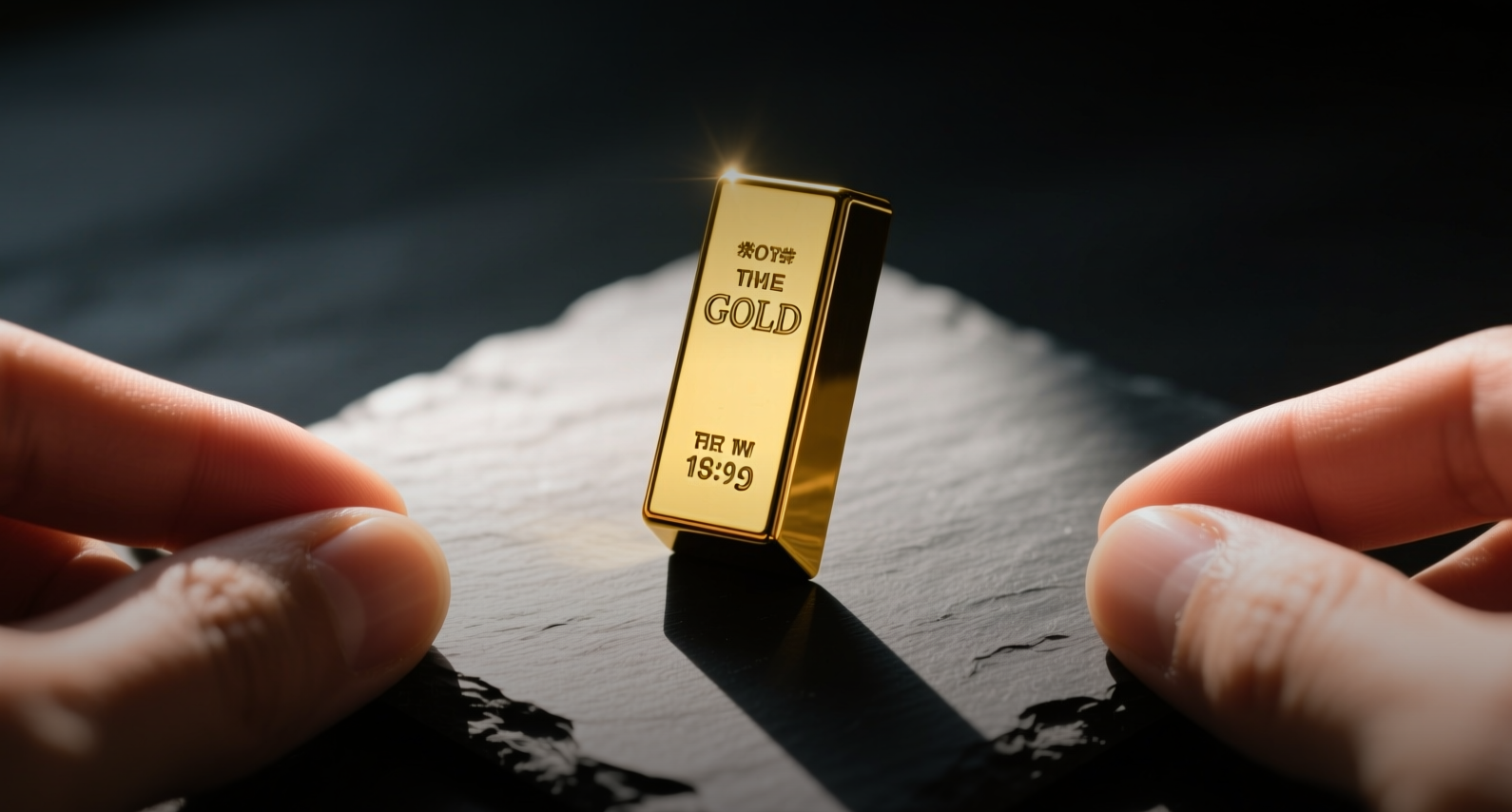
Barrick Mining secured a $1.95 billion payout from Newmont to settle all outstanding Nevada Gold Mines disputes, clearing the final contractual hurdle to a year-end IPO of its North American gold assets.
"If you ask me, it would be nice to have a graceful exit of this current chairman and have someone else come in," Benoit Gervais, portfolio manager at Mackenzie, a subsidiary of Power Corp. and Barrick's 10th-largest shareholder, told Bloomberg News.
Under the agreement announced Monday, Barrick's Fourmile project and Newmont's Fiberline and Mike developments will be contributed into the Nevada Gold Mines joint venture, which Barrick operates with a 61.5 percent stake. Newmont will make the payment within 30 days. The partners also agreed to enhanced governance provisions under a modernized joint venture framework, concluding disputes that escalated in February when Newmont issued a notice of default citing operational performance concerns.
The settlement removes uncertainty that had clouded the relationship between the world's two largest Western gold miners and unlocks an IPO that analysts value at approximately $42 billion. The new entity, anchored by Nevada Gold Mines, Pueblo Viejo and the Fourmile discovery, holds nearly 100 million ounces of gold and produced roughly 2 million attributable ounces last year. Barrick targets a 10 to 15 percent public float with a primary New York listing and secondary Toronto listing by year-end.
Q2 earnings miss
The settlement came as Barrick reported second-quarter adjusted earnings that missed analysts' estimates. Adjusted profit was $0.82 per share for the three months ended June 30, below the $0.88 average estimate compiled by LSEG. Revenue rose 44 percent to $5.29 billion, driven by higher gold and copper prices, while net income climbed to $1.22 billion, or 73 cents a share, from $811 million, or 47 cents a share, a year earlier.
Gold production increased 11 percent from the first quarter to 796,000 ounces, beating guidance of 730,000 to 770,000 ounces. Barrick attributed the increase to the ahead-of-schedule ramp-up at Loulo-Gounkoto, faster-than-expected recovery at Pueblo Viejo following planned first-quarter maintenance and record underground tonnes at Cortez as Goldrush continued to ramp up. Gold cost of sales was $1,993 per ounce, while all-in sustaining costs were $1,866 per ounce. Operating cash flow rose 28 percent year over year to $1.7 billion. Barrick maintained full-year production and cost guidance while reducing expected attributable capital expenditures to $3.8 billion to $4.2 billion.
Leadership stakes
The IPO represents a defining moment for Chairman John Thornton, who has led Barrick since 2014. Under his tenure, Barrick shares have underperformed rivals Newmont and Agnico Eagle Mines while the company slipped to third place among global gold producers last year after Agnico Eagle overtook it. Barrick posted its sixth consecutive year of declining output in 2025, hitting production lows not seen in a quarter century.
Thornton pushed out longtime CEO Mark Bristow and installed Mark Hill, who will lead the new North American company. The IPO could represent Thornton's last opportunity to reverse Barrick's fortunes as investors scrutinize the company's performance and leadership.
The Nevada Gold Mines joint venture dates to 2019, when the two miners established the partnership after Barrick dropped an $18 billion hostile takeover bid for Newmont. The core properties in the new entity accounted for over 60 percent of Barrick's total production last year, and the company's gold output has benefited from strong central-bank purchasing and elevated geopolitical tensions that have pushed bullion prices higher. Copper demand from artificial-intelligence infrastructure build-outs, including data centers and electrical grids, has also supported Barrick's copper segment.
New York-traded shares of Barrick fell about 4 percent to $41.90 in early trading, while Newmont shares rose 3.2 percent to $116.64. The settlement removes a significant legal overhang for both companies, and the $1.95 billion payout strengthens Barrick's balance sheet as it prepares for the separation.
This article is for informational purposes only and does not constitute investment advice.
