

Xiaomi will launch its Pengcheng N90 and N70 SUVs on July 30, marking its second major automotive technology event.
Xiaomi will launch its Pengcheng N90 and N70 SUVs on July 30, marking its second major automotive technology event.
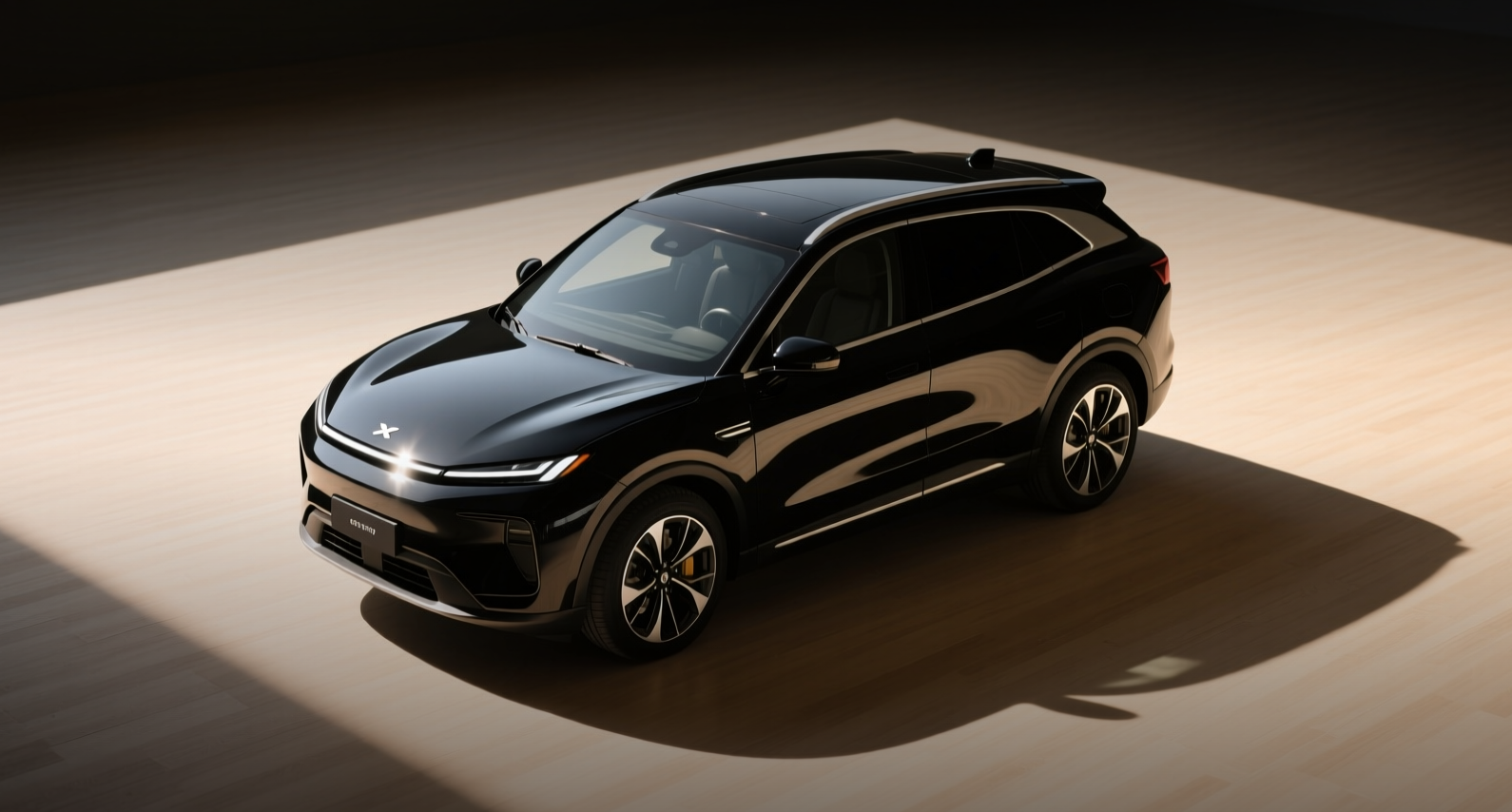
Xiaomi will launch its Pengcheng N90 and N70 SUVs on July 30, marking its second major automotive technology event.
Xiaomi's entry into the SUV segment with two new electric models threatens to intensify competition in China's EV market, pitting the smartphone giant against established rivals Li Auto, NIO and XPeng.
"Everyone has been waiting. On July 30 at 7 PM, we will hold the Xiaomi Pengcheng series technology launch event," Lei Jun, chief executive officer of Xiaomi, said in a Weibo post on July 27. "The smart variable large-space SUV that everyone has been looking forward to will finally meet everyone."
The Pengcheng N90 and N70 models represent Xiaomi's second automotive technology launch, following the SU7 sedan's debut in December 2023. While specific specifications — including battery range, pricing and production timelines — have not yet been disclosed, the "smart variable large-space" feature suggests a focus on interior configurability, a segment where Li Auto's L-series has found strong demand.
Xiaomi (1810.HK) shares could see positive momentum as the company advances its EV strategy. The smartphone maker's entry into the SUV market — China's fastest-growing EV segment — puts it in direct competition with Li Auto, NIO and XPeng. Xiaomi's brand recognition and supply chain expertise give it a potential cost advantage, though the company has not disclosed pricing for either model.
Xiaomi's EV Ambitions Extend Beyond Sedans
The SU7, Xiaomi's first EV, received strong consumer demand following its March launch, signaling appetite for the brand's automotive products. The Pengcheng SUVs aim to replicate that momentum in the higher-margin SUV category, which accounts for a significant share of China's EV sales.
Xiaomi's automotive push comes as China's EV market faces margin compression from an ongoing price war. BYD, the country's largest EV maker, and Tesla have both reduced prices across their lineups this year. Xiaomi's ability to leverage its consumer electronics supply chain could help it maintain competitive pricing.
Smart Variable Space as a Differentiator
The "smart variable large-space" feature positions the Pengcheng SUVs to compete on interior flexibility rather than just range or charging speed. Li Auto's L-series models have found success with configurable interiors and family-oriented features. Xiaomi has not disclosed whether its variable-space system will offer similar configurations or target a different price point.
The July 30 event will serve as Xiaomi's second automotive technology launch. The company has committed $10 billion to its EV business over the next decade, with a target of becoming one of the world's top five automakers, according to public statements from Lei Jun.
The success of the Pengcheng SUVs will be a key test of whether Xiaomi can translate its smartphone brand loyalty into automotive market share. If the N90 and N70 achieve strong delivery volumes, Xiaomi could challenge established players in China's premium EV SUV segment. The company is expected to disclose pricing and delivery timelines at the July 30 event.
This article is for informational purposes only and does not constitute investment advice.
