


Li Auto's CEO publicly welcomed Xiaomi into the REEV segment, sending both stocks up more than 9% on a day of heavy short covering.
Li Auto's CEO publicly welcomed Xiaomi into the REEV segment, sending both stocks up more than 9% on a day of heavy short covering.
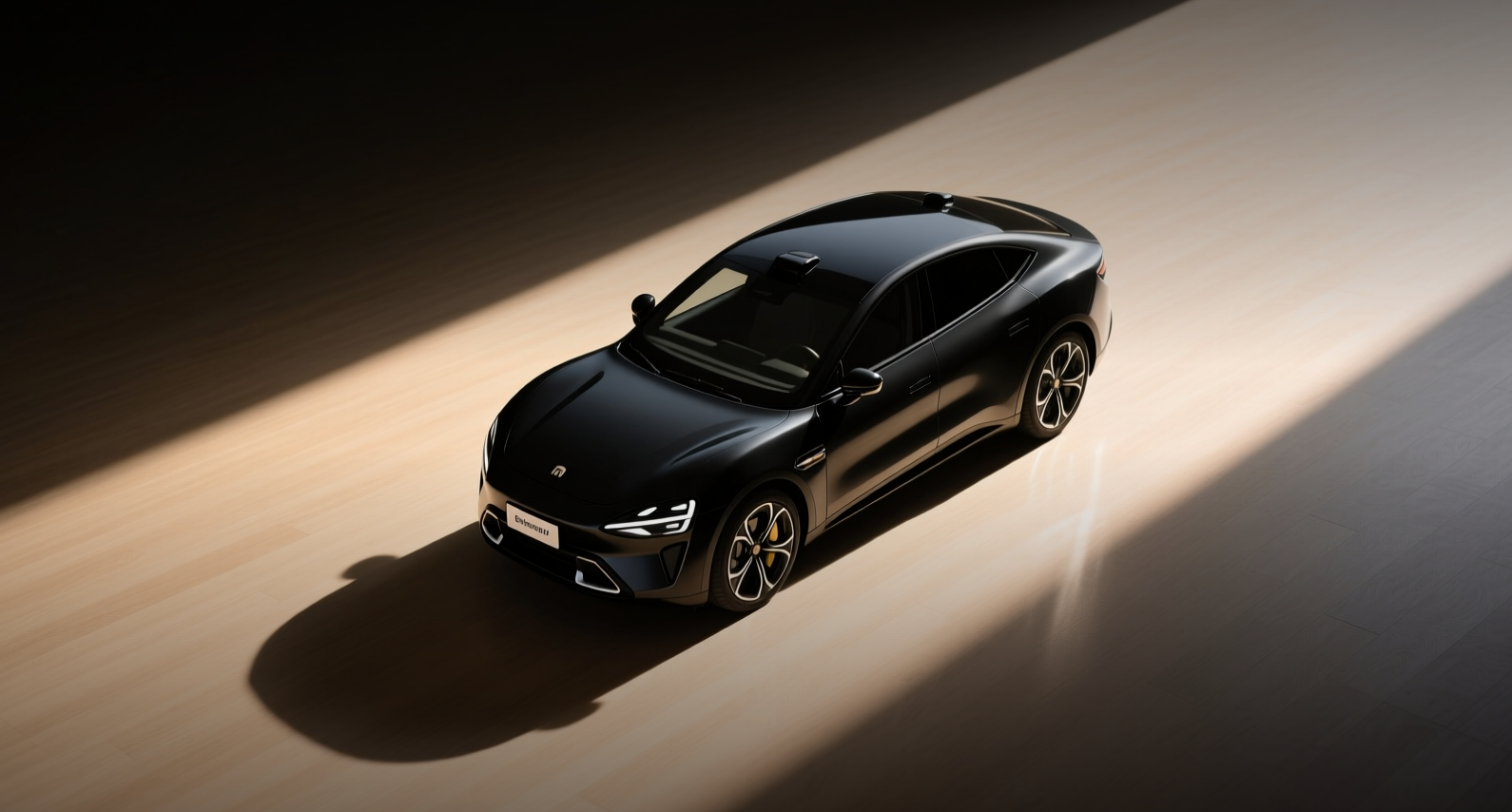
Li Auto's CEO publicly welcomed Xiaomi into the REEV segment, sending both stocks up more than 9% on a day of heavy short covering.
Xiaomi is entering China's fastest-growing vehicle segment — extended-range electric SUVs — with its SkyNomad lineup, directly challenging Li Auto and Huawei-backed Aito in a market where demand continues to outpace traditional battery-electric vehicles.
"The latest REEV technology is no longer comparable to the early-stage version of the technology," Li Xiang, chief executive officer of Li Auto, said in welcoming Xiaomi founder Lei Jun to the segment. "Consumers are willing to pay for high-quality REEV products."
The SkyNomad N90 Max, which has completed more than 60,000km of road testing since January, uses Xiaomi's Kunlun Range Extender — a 1.5-liter turbocharged engine producing 112kW that generates electricity for the battery rather than powering the wheels directly. The system delivers a minimum WLTC fuel consumption of 5.7 L per 100 km once the battery is depleted, with support for 92-, 95-, and 98-octane gasoline. Buyers can choose between five-seat and 2+2+3 seven-seat layouts, paired with a 76kWh battery pack offering 363km to 370km of electric-only range. The smaller SkyNomad N70 Max will offer single- and dual-motor configurations with 52kWh or 76kWh batteries, delivering between 265km and 380km of electric range depending on the variant.
Xiaomi shares jumped more than 9% on July 29, with short selling reaching $2.25 billion or 24.6% of turnover, while Li Auto gained 10.1% on $192 million in short volume. The rally reflects investor optimism that Xiaomi's entry will expand the REEV market rather than cannibalize existing players, though long-term competitive dynamics may intensify as both companies target the same premium family SUV buyers.
The formula closely mirrors what made Li Auto one of China's fastest-growing automakers — offering long electric-only driving for daily commuting while retaining a gasoline range extender for longer trips. Huawei-backed Aito has adopted a similar approach through its partnership with Seres. The REEV segment has also attracted XPeng, whose G7 EREV claims a combined driving range of 1,704km, enabled by a 55.8kWh battery and 800V architecture with 5C fast charging that adds roughly 314km of range in 12 minutes. Xiaomi has yet to disclose its total combined range or charging performance.
Xiaomi delivered 34,738 vehicles in June from its SU7 sedan and YU7 SUV, and the SkyNomad gives the company a second major vehicle platform. The company has also revealed that the range extender and electric drive system will carry an eight-year or 160,000km warranty, with scheduled maintenance required only every three years or 30,000km after the initial service. Pricing, final configurations, and delivery timelines are expected at the July 30 Kunlun Architecture event.
Xiaomi trades at a premium valuation reflecting its diversified business spanning smartphones, IoT, and EVs, while Li Auto trades as a pure-play EV maker with established REEV dominance. The near-term stock surge suggests the market sees Xiaomi's entry as expanding the total addressable market rather than triggering a price war. But with XPeng also targeting the same segment with superior range claims, competitive pressure on margins will intensify as delivery timelines converge.
This article is for informational purposes only and does not constitute investment advice.
