
The US will refill its Strategic Petroleum Reserve with Venezuelan crude as the stockpile sits at about 290 million barrels, near a 44-year low.
The US will refill its Strategic Petroleum Reserve with Venezuelan crude as the stockpile sits at about 290 million barrels, near a 44-year low.
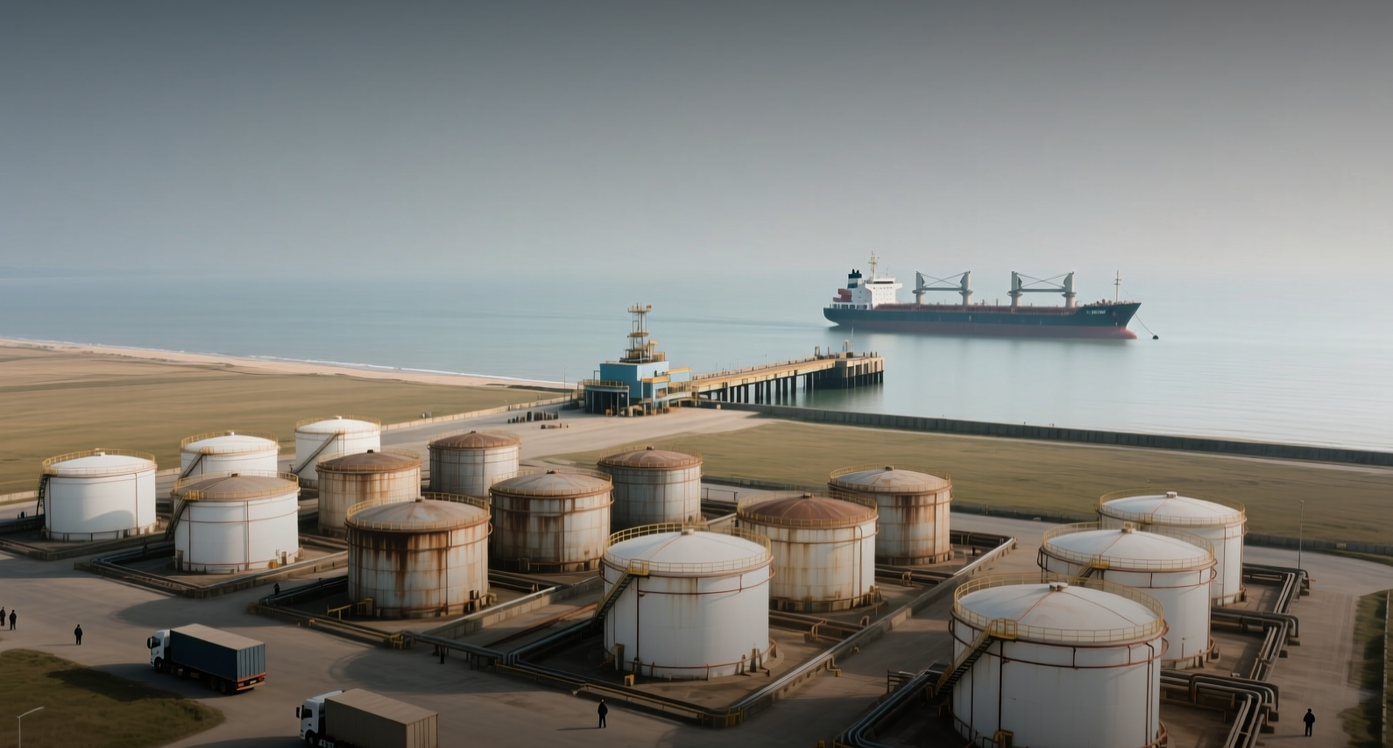
The US will refill its Strategic Petroleum Reserve with Venezuelan crude, President Donald Trump said Sunday, as the stockpile sits at about 290 million barrels — near a 44-year low.
Trump said in a social media post that the "topping out" process will begin shortly, describing the Venezuelan oil as a "Gift from Venezuela to the People of the United States."
The reserve held about 290 million barrels as of Aug. 21, roughly 41 percent of capacity, after drawdowns under both the Biden and Trump administrations in response to global supply disruptions, including Russia's invasion of Ukraine and the conflict with Iran. The agreement Trump announced Friday is aimed at reviving Venezuela's battered oil industry but will require significant investment and infrastructure work before production can rise substantially.
The deal, which Trump called "the biggest oil deal in world history," gives the US majority control of more than 65 million barrels of proven reserves across 17 fields in the Orinoco Belt and Lake Maracaibo. It remains unclear how quickly Venezuelan oil could reach the reserve or deliver near-term relief to US motorists, with Energy Secretary Chris Wright planning to travel to Venezuela next week to discuss production increases by US firms.
The agreement, negotiated by Secretary of State Marco Rubio and Venezuela's acting president, Delcy Rodriguez, may take the form of a lease, with further auctions or tenders to allocate each field among US producers, according to Reuters. The Trump administration has issued temporary sanctions relief to allow US companies to operate in Venezuela's oil sector following the capture of former leader Nicolás Maduro by US forces earlier this year.
Since then, the US has managed Venezuelan oil sales, with Trump stating in July that Washington has already collected more than $13 billion from those sales. Rubio said the revenue is being audited by KPMG and held in a Citibank account. The arrangement marks a sharp reversal from the sanctions regime that had effectively frozen Venezuela's oil exports to the US for years, and it gives Washington an unprecedented degree of control over a foreign nation's energy resources.
The SPR's decline to 290 million barrels marks one of the most aggressive drawdowns in its history. The reserve, established in 1975 after the Arab oil embargo, held more than 700 million barrels at its peak in 2009. Under the Biden administration, the US released roughly 180 million barrels in 2022 to counter price spikes after Russia's invasion of Ukraine, and additional releases followed during the Iran conflict. The current level represents about 41 percent of the reserve's 700 million barrel capacity.
The refill timeline remains uncertain. Venezuela's oil production has collapsed from about 3.5 million barrels per day in the late 1990s to roughly 900,000 barrels per day today, according to industry estimates. Reviving output to levels that could meaningfully contribute to the SPR will require substantial foreign investment, infrastructure rehabilitation, and legal changes to Venezuela's current laws that limit foreign ownership. The deal's lease structure, with US companies developing and operating the fields, is designed to address these constraints.
For US energy policy, the deal represents a significant shift. The US has historically maintained sanctions on Venezuela's oil sector, but the arrangement gives American companies operational control of Venezuelan fields and a guaranteed crude supply for US refineries. The potential to more than double US oil reserves by tapping Venezuela's extensive resources could reshape the global crude supply picture, with implications for WTI and Brent pricing.
The timing is politically significant as well. With midterm elections approaching, the administration is presenting the deal as a response to rising gas prices. However, even under an accelerated timeline, meaningful production increases from Venezuela's mature fields could take 12 to 24 months, limiting near-term price relief. The deal's success will depend on whether US operators can rehabilitate aging infrastructure in the Orinoco Belt and Lake Maracaibo, where production has been in steady decline for decades.
For global oil markets, the arrangement introduces a new supply variable. If US operators can lift Venezuelan output toward even 1.5 million barrels per day within two years, the additional crude could pressure prices across benchmarks. But the path from agreement to production is long, and the history of Venezuela's oil sector is littered with unfulfilled promises of revival.
This article is for informational purposes only and does not constitute investment advice.
