
American drivers paid record Labor Day pump prices as Iran war disruptions and Russian refinery strikes tightened global crude markets, lifting regular gasoline to a $4.15 national average.
American drivers paid record Labor Day pump prices as Iran war disruptions and Russian refinery strikes tightened global crude markets, lifting regular gasoline to a $4.15 national average.
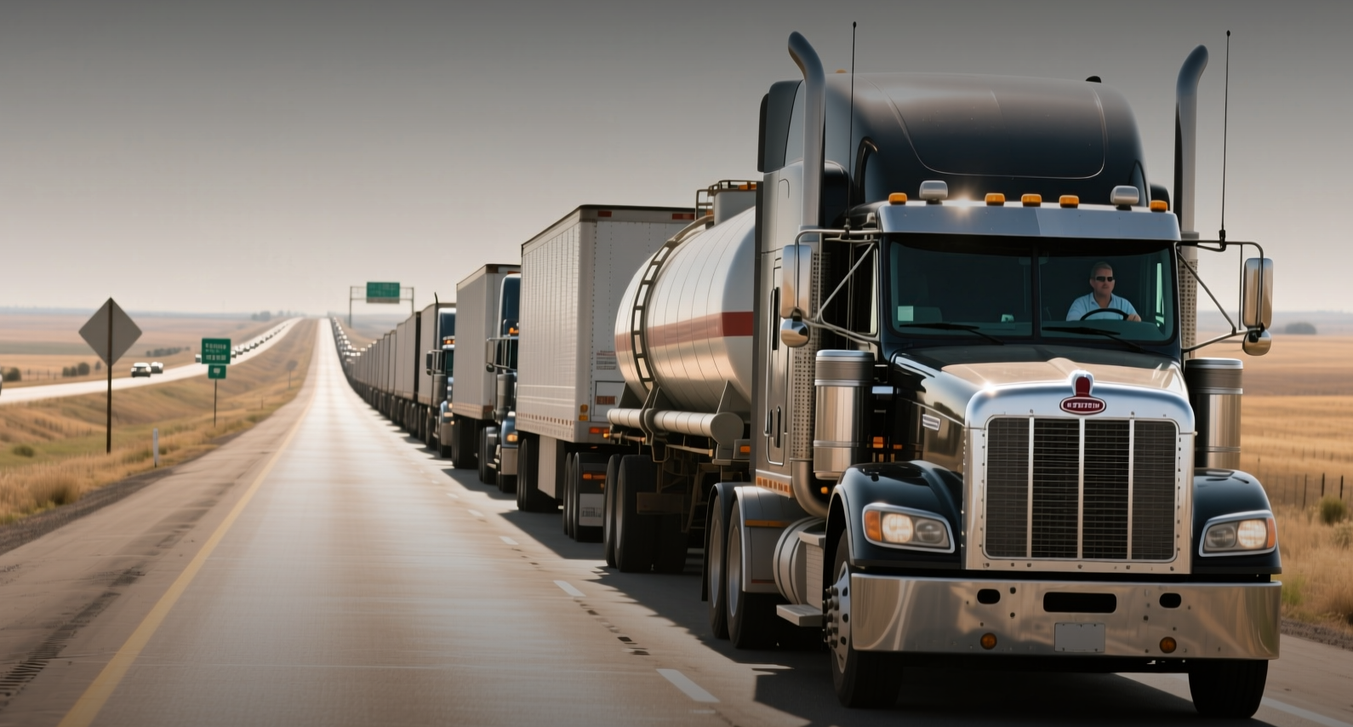
American drivers paid the highest Labor Day pump prices on record as crude supply disruptions from the six-month Iran war and Ukrainian strikes on Russian refineries tightened global markets, pushing the national average for regular gasoline to $4.15 a gallon — up from $3.20 a year earlier and $2.98 before the conflict began in late February.
"Consumers cannot avoid the impact because goods delivered to homes still move by truck powered by diesel," said John Kilduff, partner at energy hedge fund Again Capital.
Diesel, the workhorse fuel for freight and delivery networks, hit a record $5.85 a gallon on Friday, up nearly 60 percent from $3.71 a year earlier, according to AAA data. Brent crude traded above $95 a barrel Friday, up from roughly $70 before the U.S. and Israel launched their campaign against Iran. Most tanker traffic through the Strait of Hormuz remains bottlenecked, and U.S. forces on Saturday struck three Iranian crude oil carriers after the Islamic Revolutionary Guard Corps fired ballistic missiles toward two Navy warships.
The record prices threaten to ripple through the broader economy. Fuel accounts for roughly 15 percent to 30 percent of the total cost of food, according to the Independent Grocers Alliance, and higher diesel costs are already pushing up shipping fees. Amazon rolled out a temporary 3.5 percent fuel and logistics surcharge on some third-party sellers in April, while UPS, FedEx and the United States Postal Service added package fees earlier in the war.
The current spike echoes the 2022 energy shock that followed Russia's invasion of Ukraine, when diesel peaked near $5.82 a gallon and gasoline reached about $5.02. Adjusted for inflation, today's prices remain below those peaks — $5.82 in 2022 would equal roughly $6.56 in 2026 dollars — but the persistence of the current crisis is what worries analysts.
"This is gradually becoming a major crisis because A) the prices themselves are very high — but the physical stocks of these products are dwindling," said Neil Atkinson, energy analyst and senior fellow at the National Center for Energy Analytics, pointing to strain on the global refining system.
Food prices and the freight squeeze
The pain is spreading fastest through the grocery aisle. Perishable items that require refrigeration are typically the first to see price increases as freight contracts reprice. In July, overall U.S. grocery prices were up 2.7 percent from a year earlier, but seafood prices rose 7 percent and fresh fruit climbed 4.9 percent, according to data cited by David Ortega, professor of food economics and policy at Michigan State University.
"Early on, much of the cost increase gets absorbed along the supply chain through existing freight contracts and retailer margins," Ortega said. "But as contracts reprice and fuel surcharges take hold, more of that cost makes its way to the grocery store."
The political stakes are rising too. AP-NORC polling this summer showed two-thirds of U.S. adults disapprove of President Donald Trump's handling of the economy, and the White House is pressuring Federal Reserve Chair Kevin Warsh to avoid raising rates at the Sept. 15 meeting even as inflation remains above the central bank's 2 percent target. Energy Secretary Chris Wright said there may be no nuclear agreement with Tehran, suggesting the supply disruptions that pushed crude to current levels could persist well into the fall.
This article is for informational purposes only and does not constitute investment advice.
