


Institutional investors reported $611 billion in SpaceX holdings across 1,932 quarterly filings, but the real test comes as early-investor lockups expire through December.
Institutional investors reported $611 billion in SpaceX holdings across 1,932 quarterly filings, but the real test comes as early-investor lockups expire through December.
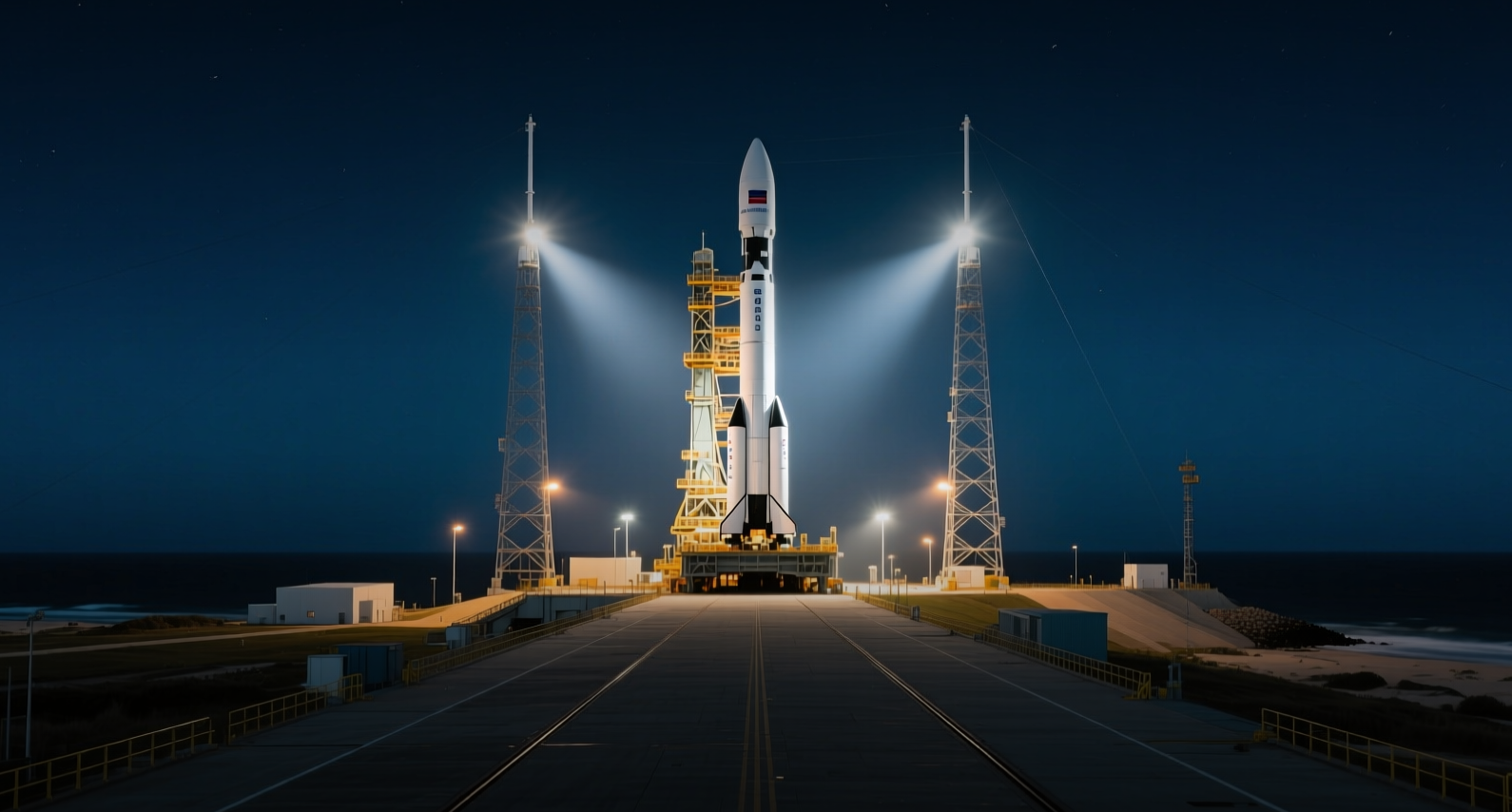
Institutional investors reported $611 billion in SpaceX holdings across 1,932 quarterly filings, with hedge funds and mutual funds overweight the stock after its record $86 billion IPO valued the company at $1.77 trillion.
Goldman Sachs analysts found SpaceX widely held among hedge fund managers, with mutual funds as a group overweight in the stock, according to an analysis of the filings.
The three largest holders — Alphabet, Valor Management and Fidelity Investments — held roughly $232 billion in stock at the end of June. Alphabet and Fidelity each invested $1 billion in 2015, while Valor first partnered with SpaceX in 2008. The stock traded at $141.50 on Aug. 28, up 0.45 percent, with a 52-week range of $104.83 to $225.64.
The real test comes as lockups expire. SpaceX sold only about 5 percent of the company at its IPO, with Elon Musk holding 48 percent of shares and early investors controlling the rest. Two lockup tranches cleared in August, and six more expire before the end of 2026, including roughly 319 million shares on Sept. 9.
The 13F filings, due within 45 days of each quarter's end, reveal which institutional investors with more than $100 million under management held SpaceX shares at the end of June. The Aug. 14 deadline showed the so-called smart money is overweight the stock relative to the total market.
But the filings lag the market. The 45-day delay between quarter-end and disclosure means the data reflects positions taken before the stock's post-IPO slide. SPCX peaked at $225.64 intraday on June 16, then fell to $104.83 by Aug. 3 before recovering to near its $135 IPO price.
The next quarterly filings, due in mid-November, will show whether institutions added to or trimmed positions during the August lockup expirations. Two tranches already hit the market: a 911.5-million-share release around Aug. 6 worth more than $100 billion, and a further 319 million shares on Aug. 20 that lifted the tradable float by roughly a fifth.
SpaceX is using a staggered lockup schedule to release shares slowly and avoid market shocks. But with Musk holding 48.4 percent and Alphabet 7.2 percent, the actions of early investors will shape supply for months. Street consensus is Buy across 35 analysts, with an average price target of $220.35 and a range of $117 to $450.
The valuation remains steep. SpaceX carries an enterprise value near $1.81 trillion against $23 billion of trailing revenue, or 79 times sales. The company reported $7.81 billion in second-quarter revenue, up 92 percent year over year, but spent $18.37 billion on capital expenditure — 235 percent of revenue — and posted negative $25 billion in first-half free cash flow.
For retail investors, the question is whether institutional conviction offsets the supply overhang. The 13F data confirms funds want exposure, but it cannot predict whether they will hold through the remaining lockup expirations. The next tranche lands Sept. 9, with further releases on Sept. 24, Oct. 9 and Oct. 24 before the 180-day lockup fully expires Dec. 8.
This article is for informational purposes only and does not constitute investment advice.
