


The Pentagon has given defense contractors 21 days to submit plans for dramatically accelerating weapons production after the Iran war depleted critical missile stockpiles by as much as 65 percent.
The Pentagon has given defense contractors 21 days to submit plans for dramatically accelerating weapons production after the Iran war depleted critical missile stockpiles by as much as 65 percent.
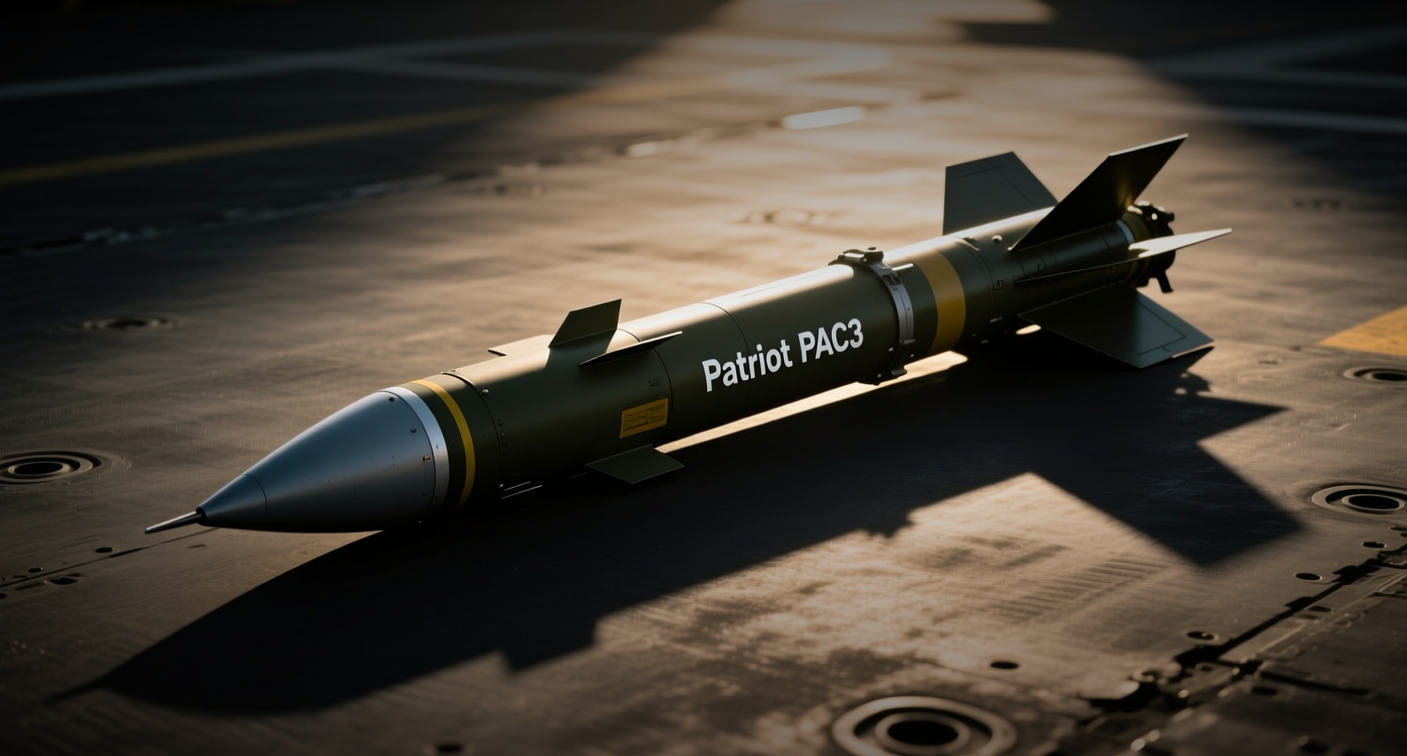
The Pentagon has ordered defense contractors to submit accelerated production plans within 21 days after the Iran war depleted Patriot interceptor stocks by at least 65 percent, according to a memo obtained by The Washington Post.
"Years-long development timelines are unacceptable. We must dramatically accelerate our program schedules and expand our production capacity now," Deputy Defense Secretary Steve Feinberg wrote in the memo to defense industry leaders.
CSIS estimates THAAD interceptors fell from about 452 pre-war to between 234 and 278, while Patriot stocks dropped from roughly 2,330 to between 759 and 827. The US fired more than 1,000 Tomahawk cruise missiles during the conflict, yet annual production averaged only about 86 between fiscal years 2015 and 2026.
The depletion creates what CSIS calls a "window of vulnerability" — if another major crisis erupts before inventories recover, the US could face simultaneous commitments in the Middle East, Europe, and the Indo-Pacific with insufficient precision munitions. Rebuilding THAAD stocks could take until the end of 2029, Patriot until mid-2029, and Tomahawk until late 2030.
The Pentagon's directive targets both immediate replenishment and long-term production capacity. Agreements with Lockheed Martin and Northrop Grumman worth more than $3 billion aim to expand production of components used in Patriot PAC-3 and THAAD systems. The broader initiative seeks to triple Patriot production capacity and quadruple THAAD output while adding a second supplier for PAC-3 rocket motors.
The production gap is structural. Modern interceptors require specialized components, advanced electronics, guidance systems, and rocket motors manufactured by a limited number of suppliers. Expanding output means new production lines, factory construction, and workforce training — none of which happens quickly. SM-3 and SM-6 interceptors carry lead times of roughly 36 to 39 months after funding approval, according to CSIS.
The funding question remains unresolved. A defense spending bill is stalled in Congress as lawmakers debate the administration's request for a roughly $1.5 trillion defense budget, up from about $900 billion the previous year. Pentagon spokesman Sean Parnell said the production initiative would "inform the fiscal year 2028 budget submitted to Congress for funding."
The urgency extends beyond the Iran conflict. Iran has conducted more than 2,000 air, missile, and drone strikes across the Middle East since Operation Epic Fury began, damaging at least 20 sites in eight countries used by the US military and causing up to $13 billion in equipment losses and facility damage, according to CSIS President Seth G. Jones. More than 42 US military aircraft were damaged or destroyed, including aircraft parked on air bases.
The last time the US faced a comparable munitions crunch was during the 1991 Gulf War, when precision-guided munitions made up roughly 8 percent of bombs dropped. Today they represent the majority of US strike capability, making inventory depletion a more acute strategic problem.
US defense planners are also weighing the possibility of a future conflict with China over Taiwan. A prolonged Middle East war has demonstrated how quickly sophisticated weapons are consumed during sustained combat. If US stocks remain depleted for years, Washington could face a difficult situation managing military commitments in the Middle East, Europe, and the Indo-Pacific simultaneously.
The regional security environment is shifting in parallel. Saudi Arabia, Türkiye, and Pakistan signed the Mecca Joint Defense Agreement, establishing a collective-defense framework that reduces exclusive reliance on Washington. The pact links Saudi financial weight, Turkish military-industrial power, and Pakistan's armed forces and nuclear status — a hedge against excessive dependence on US protection that the Iran war exposed as insufficient.
President Donald Trump has disputed reports of weapons shortages, saying the US has "massive amounts" of weapons and that "large amounts are being manufactured and shipped to the U.S. as needed." Pentagon officials maintain the military has sufficient munitions for current operations, distinguishing between fighting today and sustaining prolonged combat or preparing for another major war.
The distinction matters for markets. Defense contractors including Lockheed Martin, RTX, and Northrop Grumman face pressure to expand capacity, but production constraints mean the financial payoff from increased orders will be spread over years, not quarters. The Pentagon's 21-day deadline for industry plans is the first step in a process that could reshape the US defense industrial base — and determine whether the military can fight two wars at once.
This article is for informational purposes only and does not constitute investment advice.
