
Key Takeaways: VLCC charter rates on the Middle East-to-Asia route have surged to near $500,000 a day, the highest since June, as the Iran war keeps shipowners out of the Strait of Hormuz.
Key Takeaways: VLCC charter rates on the Middle East-to-Asia route have surged to near $500,000 a day, the highest since June, as the Iran war keeps shipowners out of the Strait of Hormuz.
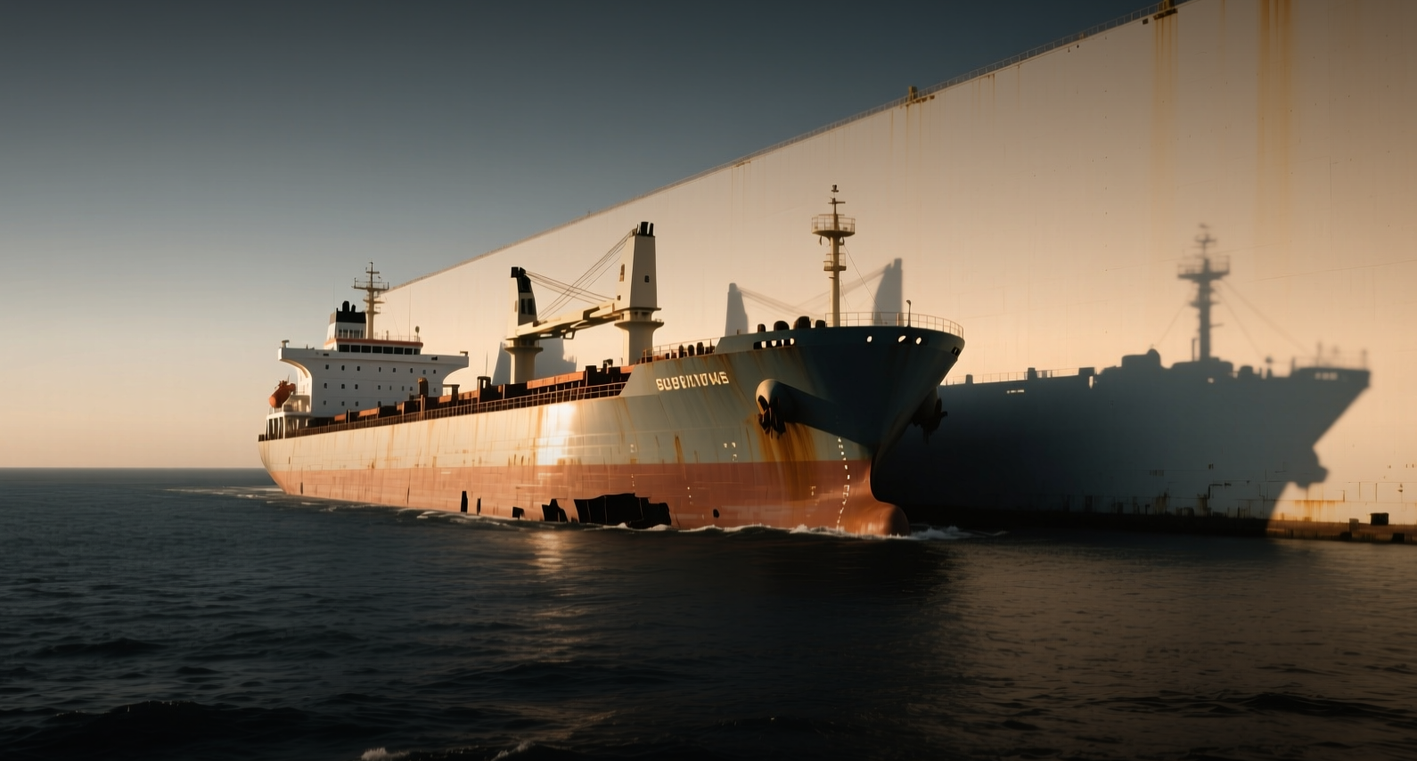
VLCC charter rates on the benchmark Middle East-to-Asia route have climbed to near $500,000 a day, the highest since June, as the Iran war keeps shipowners from entering the Strait of Hormuz.
"The predictability of the United States and Iran is very low," the Hong Kong Shipowners Association said in urging members to exercise caution, with up to 80 Hong Kong-linked ships stranded in the area.
Sinokor Group, the world's largest VLCC owner, tentatively agreed to charter a vessel loading crude from the Persian Gulf to Asia at a strikingly high rate, according to ship-broker data. Iran has imposed an effective blockade of the strait and wants to charge for passage, while talks with Oman over management arrangements are in their "final stages," Tehran said.
The freight surge threatens to push landed crude prices higher across Asia, tightening global supply and lifting energy-sector volatility. If the blockade persists, importers face transportation costs that could pass through to consumers.
Iran has held firm to its grip on the strait since imposing the blockade, rejecting direct talks with Washington as long as the US breaches an interim deal signed in June. Tehran's deputy parliament speaker, Ali Nikzad, said the US "has practically realised that the opening of the Strait of Hormuz has no military solution," while President Donald Trump said Washington is only "semi-negotiating" and will wait for economic pressure to mount.
The last time charter rates approached these levels was in June, before the current escalation, when the benchmark route briefly spiked on earlier supply fears. That move faded within weeks; this time, with Iran demanding transit fees and barring US and Israeli ships under a draft pact with Oman, the disruption looks more entrenched.
For Asian importers, the freight surge compounds an already strained supply picture. China, the region's largest buyer, has built a commodities footprint that Goldman Sachs analysts describe as a de facto "volatility arbiter" for global markets, cushioning some energy shocks. But with up to 80 Hong Kong-linked vessels stuck around the strait and crews reporting months at sea, the human and financial costs are mounting.
The conflict has already forced the Pentagon to sign a $3 billion deal with Lockheed Martin and Northrop Grumman to ramp up Patriot and THAAD missile production, and drained "virtually all" of Washington's long-range precision missiles, according to sources cited by the South China Morning Post. A Marquette Law School poll found 75 percent of Americans did not believe the war was worth the cost.
Tanker operators, including Sinokor and its peers, are the immediate beneficiaries of the freight premium, while refiners in Japan, South Korea and India face thinner margins on every cargo. If the standoff drags into the autumn, Tehran has said it will not reopen the strait until Washington acts on the June interim deal, leaving the market to price a prolonged disruption.
This article is for informational purposes only and does not constitute investment advice.
