
Key Takeaways:
- Helsing raised $1.8 billion in Series E funding at an $18 billion valuation
- The German defense AI startup supplies drone software to Ukrainian forces
- Goldman Sachs, JPMorgan, and Canada's CPP Investments led the round
Key Takeaways:
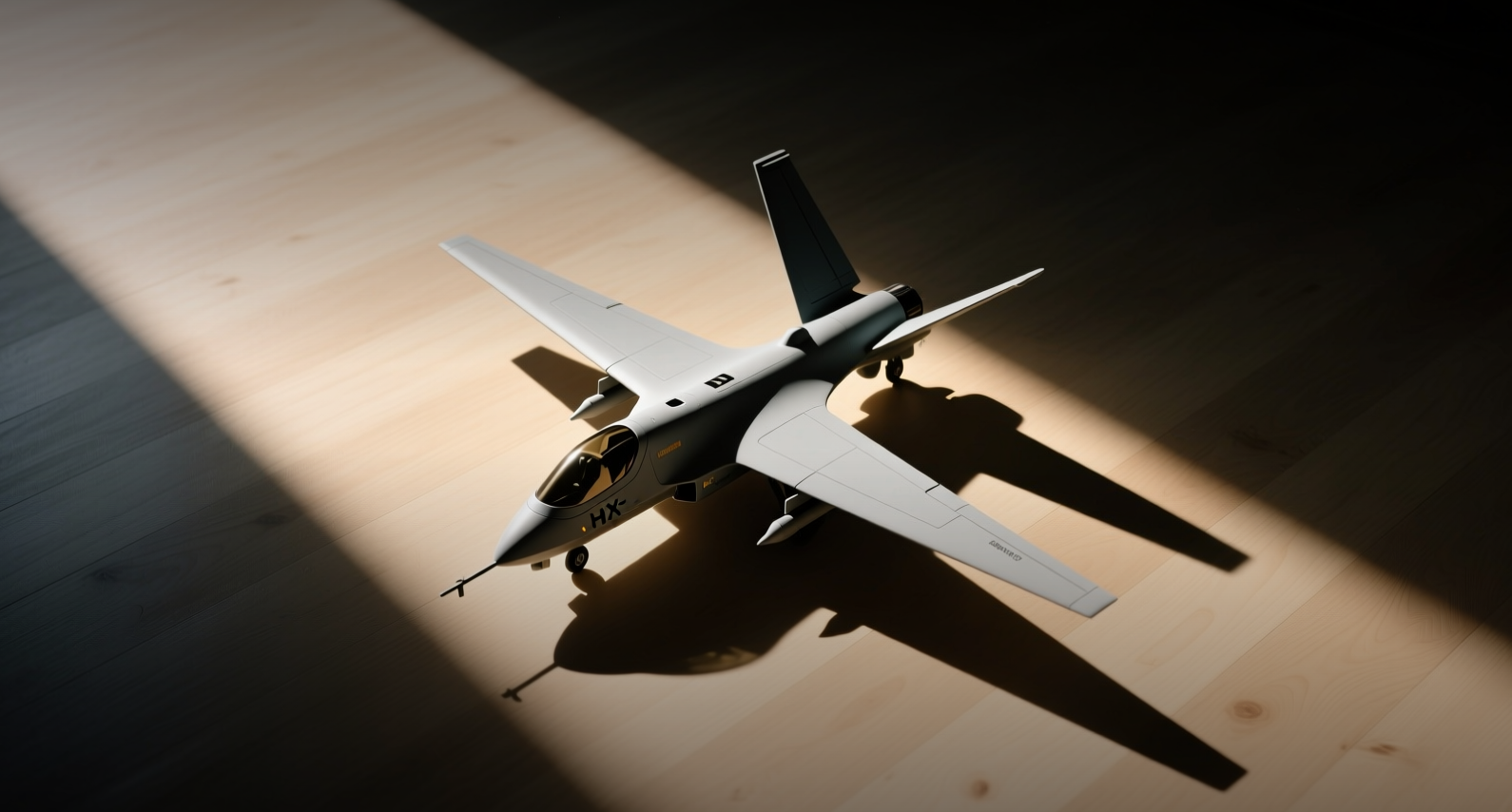
Helsing, Europe's largest defense AI startup, raised $1.8 billion at an $18 billion valuation, cementing its position as the continent's primary challenger to US rival Anduril in the fast-growing military AI market.
"This funding enables us to scale our AI platforms at a time when European governments are urgently modernizing their defense capabilities," Gundbert Scherf, co-chief executive officer of Helsing, said in a statement.
The Series E round included investments from Goldman Sachs Alternatives, JPMorgan Chase & Co., Canada Pension Plan Investment Board, Dragoneer Investment Group, and Iconiq. The Munich-based company, founded in 2021 with more than 1,000 employees, said it remains under European ownership despite the participation of US financial institutions.
The valuation places Helsing at roughly 10 times the $1.8 billion valuation it commanded in its 2023 Series B, reflecting surging investor appetite for defense technology as European governments boost military spending. The company now describes itself as a "neo prime" — a software-driven defense contractor competing with established players like Rheinmetall and Airbus.
Helsing's core business is artificial intelligence software that controls unmanned systems, including kamikaze drones deployed by Ukrainian armed forces and underwater reconnaissance drones produced since last year. The company also acquired German aircraft manufacturer Grob Aircraft in 2025 and is developing an unmanned combat aircraft.
The fresh capital will primarily fund development of new AI platforms, Helsing said. The company's HX-2 AI strike drone represents a new class of autonomous systems that can operate without direct human control, a capability that has drawn both military interest and ethical scrutiny.
The funding comes as the stock market rally in traditional European defense companies has faded this year. Shares of Germany's Rheinmetall have roughly halved since January, though they remain several times higher than five years ago. The divergence highlights investor rotation toward software-defined defense firms over traditional hardware manufacturers.
Helsing's $18 billion valuation positions it as a direct European counterpart to Anduril, the US defense AI startup valued at $28 billion after its own $2.5 billion funding round earlier this year. Both companies argue that AI-powered autonomous systems represent a structural shift in military technology, moving away from expensive platforms like fighter jets toward cheaper, software-defined drones.
For investors, the question is whether European defense budgets can sustain the growth trajectory. NATO members have committed to spending at least 2% of GDP on defense, with several countries exceeding that threshold. Germany alone announced a 100 billion euro special defense fund in 2022, much of which is earmarked for modernizing its armed forces with digital and autonomous capabilities.
This article is for informational purposes only and does not constitute investment advice.
