
China's "828 New Policy" shifting real estate from pre-sale to completed-home sales has forced Country Garden to overhaul its operations, with the developer's shares rising 5.9 percent on the pivot.
China's "828 New Policy" shifting real estate from pre-sale to completed-home sales has forced Country Garden to overhaul its operations, with the developer's shares rising 5.9 percent on the pivot.
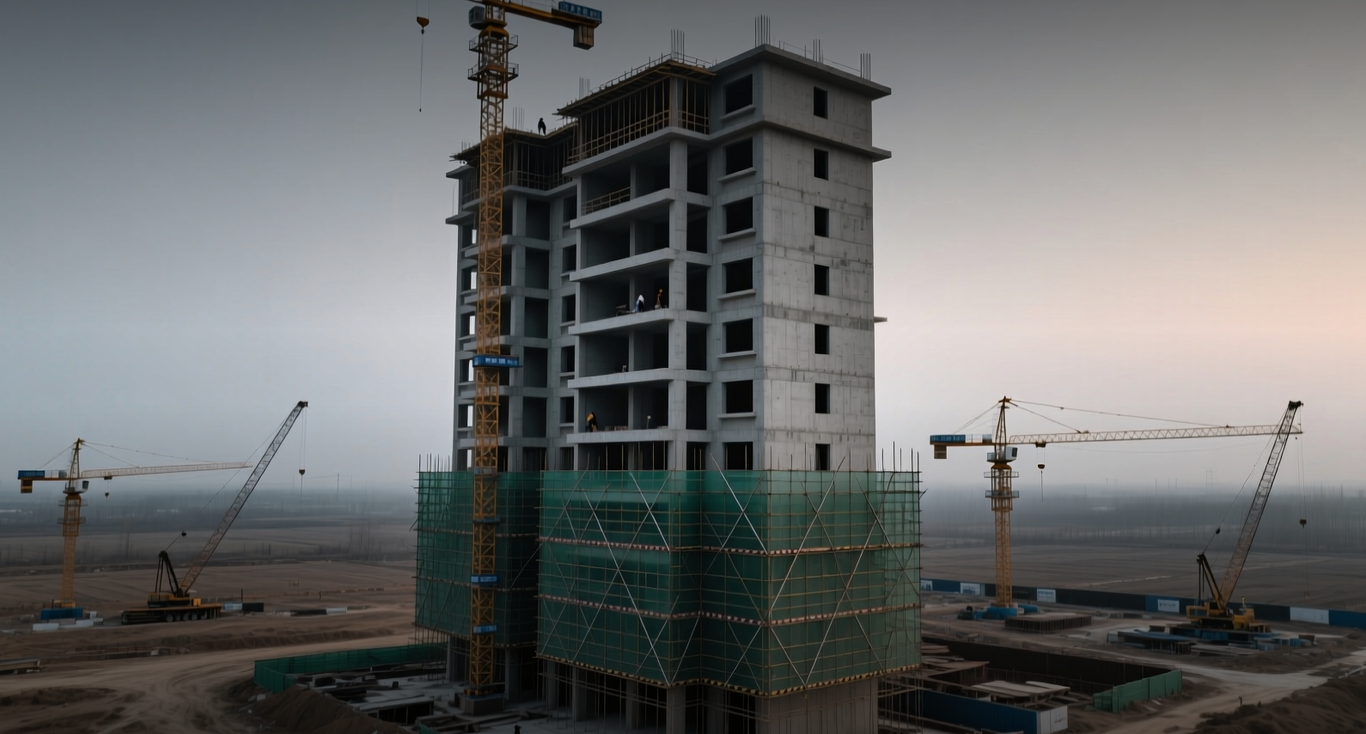
China's "828 New Policy" has dismantled the pre-sale, high-leverage model that built Country Garden, pushing the developer to reshape its operations as the sector pivots to completed-home sales. Board Chairman Yang Huiyan told a monthly management meeting on Sept. 3 that the industry's operating logic has been completely rewritten and the group must review and reshape its overall operations, development logic and organizational structure as soon as possible.
"The previous operating model that relied on rapid turnover and high leverage is no longer applicable," Yang said. The policy's core changes shift the industry from pre-sale to completed-home sales, from rapid turnover to a focus on quality, and from corporate credit to project credit, she said.
Country Garden shares rose 5.882 percent on the announcement, with short selling of $3.63 million representing a 5.911 percent ratio. The gain suggests investors read the strategic pivot as a positive step even as the developer confronts the end of a financing model that funded China's property boom for two decades.
Yang acknowledged short-term pain is inevitable but framed the medium-to-long term as an opportunity for the industry to move toward maturity and stability. CMBI, the brokerage arm of China Merchants Bank, described the "8-28 Policy" as a long-term institutional reform rather than tightening, with local pilot details expected within four to six weeks.
The end of buyer-funded construction
The reform marks a structural break from the model that produced China's property giants. Under the pre-sale system, developers collected buyer payments before construction finished, using the cash to fund rapid land acquisition and turnover — a cycle that amplified leverage across the sector. Shifting to completed-home sales means developers must fund construction themselves, a change that will test balance sheets built on the old model.
For Country Garden, once among China's largest developers by sales, the transition carries particular weight. The company has been navigating liquidity pressure as the sector's downturn deepened, and the new policy removes the financing mechanism that previously let it roll projects forward on buyer deposits. The shift from corporate credit to project credit also changes how lenders assess risk: instead of extending against a developer's overall balance sheet, funding will attach to individual projects, isolating troubled assets from healthier ones.
The Economist noted the new policies could hurt construction and employment as the industry adjusts. That trade-off — between a more stable, quality-focused property market and the jobs and activity tied to the old building pace — frames the medium-term path Yang described. For lenders, the move to project credit narrows the systemic risk that a single developer's distress spreads across its entire portfolio, a dynamic that has weighed on Chinese banks' property exposure through the downturn.
What happens next depends on how quickly local governments implement the pilot. CMBI expects details within four to six weeks, and the pace of that rollout will determine how fast developers like Country Garden can adapt their capital structures to the completed-home model. If pilots move quickly, the sector's adjustment could compress into a shorter, sharper transition; if they lag, developers face a longer period of uncertainty over project funding.
This article is for informational purposes only and does not constitute investment advice.
