
California's wage mandates have cost the state 12,600 restaurant positions since March 2023 and driven teen unemployment to 22.1 percent, even as the U.S. added 162,000 jobs in August.
California's wage mandates have cost the state 12,600 restaurant positions since March 2023 and driven teen unemployment to 22.1 percent, even as the U.S. added 162,000 jobs in August.
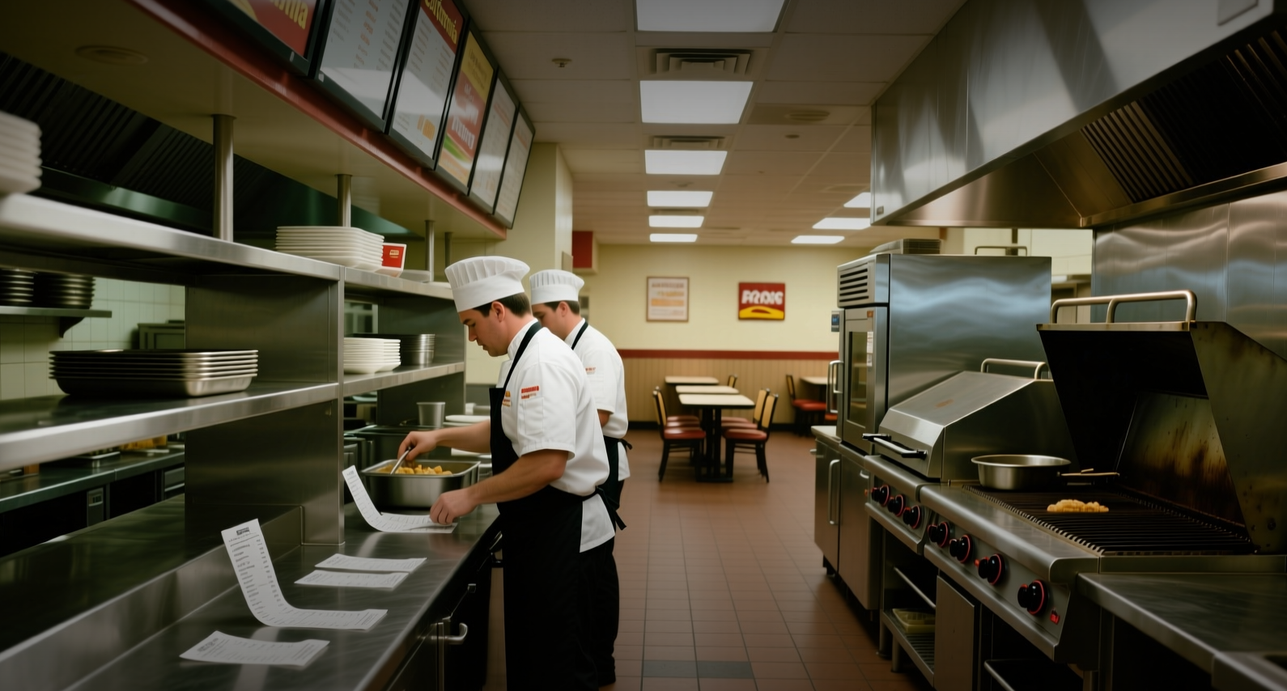
Gov. Gavin Newsom's minimum wage agenda is suppressing unskilled labor employment in California, where restaurant payrolls have fallen 12,600 positions since March 2023 and teen unemployment has climbed to 22.1 percent.
"The state's high minimum wage has raised costs for employers, who in turn are cutting back on unskilled labor," the Wall Street Journal editorial board said in a Sept. 5 commentary, responding to Newsom's claim that California leads the country in job growth and that wage mandates help "ensure workers share in that growth."
The Employment Policies Institute reports California's restaurant employment declined for three consecutive years between March 2023 and March 2026, a total of 12,600 job losses in food services and drinking places, while the industry added 151,700 jobs nationwide over the same period. Average weekly hours for workers across all industries in California fell to 33.1 in July from 34.5 three years earlier, while remaining flat nationally at 34.3. Teen unemployment in the state has risen to 22.1 percent from 11.3 percent in January 2023, compared with a national increase to 12.1 percent from 10.6 percent.
California's unemployment rate of 5.1 percent in July was the fourth highest in the country, behind Oregon and Connecticut at 5.2 percent and the District of Columbia at 5.9 percent. The state's minimum wage rises to $17.40 in January from $16.90, and fast-food workers already earn $20 an hour, suggesting further pressure on entry-level hiring as labor costs climb again.
The national backdrop undercuts Newsom's framing. The Labor Department reported Friday that the U.S. economy added 162,000 jobs in August, more than triple the 53,000 to 65,000 positions economists had forecast. Food services and drinking places led hiring with 59,000 new positions, while local government education added 41,900 jobs and healthcare and social assistance expanded by 28,400. The unemployment rate held at 4.1 percent, and labor force participation ticked up to 61.6 percent from 61.4 percent — the first monthly increase in ten months. The civilian labor force expanded by 683,000, according to the Bureau of Labor Statistics.
The contrast is sharpest for young workers. California's teen labor force participation has fallen by five percentage points since early 2023, versus 2.3 percentage points nationally. More unemployed youth is "a recipe for social problems and a less prepared future workforce," the editorial board said.
The AI boom that Newsom credits for the state's productivity gains has largely bypassed the workers most exposed to minimum wage rules. Average weekly wages for information workers in Silicon Valley's San Mateo County reached $16,242 in the first quarter, up from $15,792 a year earlier and $6,187 in early 2019 — an annualized rate of about $846,904. But those gains accrue to a narrow slice of the workforce, while the state has added few jobs outside government, healthcare and social assistance in recent years.
The policy stakes extend beyond Sacramento. Newsom's framing that high wage mandates boost the economy is becoming a key plank of the Democratic Party agenda as he weighs a presidential run. The data suggest the hidden costs fall on the young and less skilled, who lose entry-level opportunities to gain the soft skills that any job requires — including following direction and showing up on time, as the editorial board put it. With the state's minimum wage set to rise again in January, the pressure on entry-level hiring is likely to intensify even as the national labor market shows renewed momentum.
This article is for informational purposes only and does not constitute investment advice.
