

BYD's 17 millionth new energy vehicle — the Seal 08 sedan — rolled off the line in Xi'an on July 8, making the Shenzhen-based automaker the first globally to reach that production milestone.
BYD's 17 millionth new energy vehicle — the Seal 08 sedan — rolled off the line in Xi'an on July 8, making the Shenzhen-based automaker the first globally to reach that production milestone.
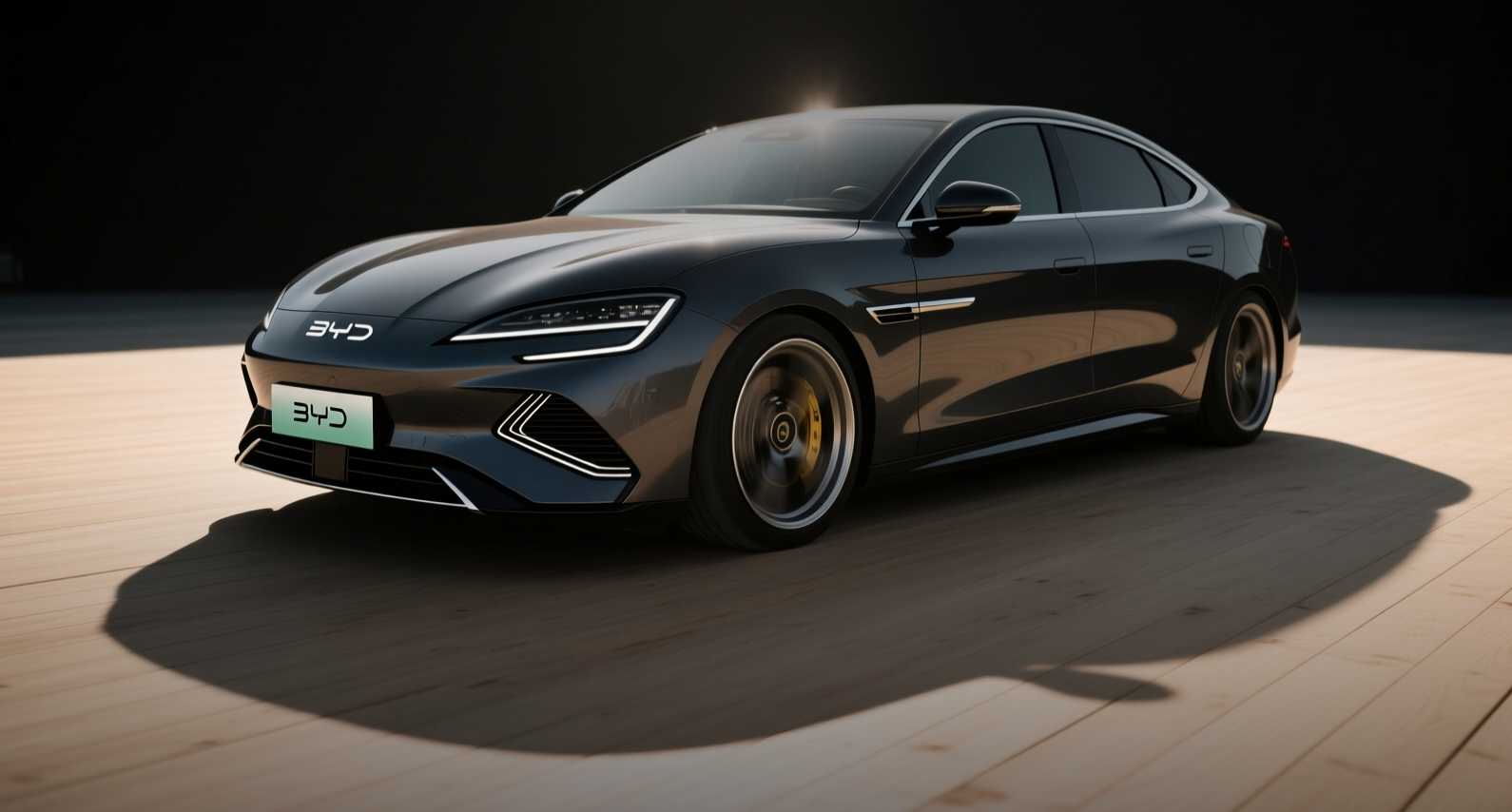
BYD produced its 17 millionth new energy vehicle at its Xi'an manufacturing base on July 8, becoming the first automaker worldwide to cross that threshold as China's EV industry enters a deeper phase of competition defined by in-house chips and intelligent driving systems. The milestone vehicle was the Seal 08, a flagship sedan priced between 196,900 yuan and 239,900 yuan (about $27,000 to $33,000) that debuts BYD's second-generation Blade Battery and its FLASH charging technology.
"The industry has hit a clear turning point," Cui Dongshu, secretary-general of the China Passenger Car Association, said. "Competition no longer revolves around electric batteries alone. Today's race hinges on self-developed chips and full-stack intelligent driving systems."
BYD delivered 1,808,511 vehicles in the first half of 2026, with overseas sales of passenger vehicles and pickup trucks reaching 789,367 units — a 68% jump from a year earlier. The Seal 08 offers a CLTC-rated driving range of up to 905 kilometers and comes standard with BYD's God's Eye LiDAR-based advanced driver assistance system. The automaker said its FLASH charging technology can deliver a substantial recharge in five minutes and a full charge in about nine minutes under specified conditions. BYD also launched an accident indemnity program covering users of its urban Navigate on Autopilot and intelligent parking features, promising unlimited compensation for qualifying accidents without affecting customers' commercial auto insurance premiums.
The milestone shows how China's EV sector has shifted from battery-centric competition to an ecosystem battle spanning chips, software and charging infrastructure. BYD in May launched what it called China's first 4-nanometer smart driving chip and pledged more than 100 billion yuan ($14.7 billion) in research and development spending. The company plans to build 20,000 FLASH charging stations across China by the end of 2026. Xiaomi, which unveiled its third vehicle line — the SkyNomad SUV — on Thursday, has launched two product lines in just over two years, a pace that Cui said would take overseas automakers four to six years. China produced 1.598 million NEVs in June and sold 1.643 million, with both figures rising more than 20% year-on-year, according to the China Association of Automobile Manufacturers. NEVs accounted for 58.5% of total new vehicle sales in the month.
BYD shares rose 4.2% on the Hong Kong exchange on July 9, with short selling volume reaching $1.55 billion or 47.5% of total turnover, suggesting active institutional repositioning. The company trades at a premium to legacy automakers as investors price in continued market share gains, though the intensifying price war and rapid technology cycles in China's EV market pose margin risks. With 20,000 charging stations planned and a growing overseas footprint, BYD's ability to sustain its production cadence while defending margins will determine whether the 17 million milestone marks a peak or a stepping stone.
This article is for informational purposes only and does not constitute investment advice.
