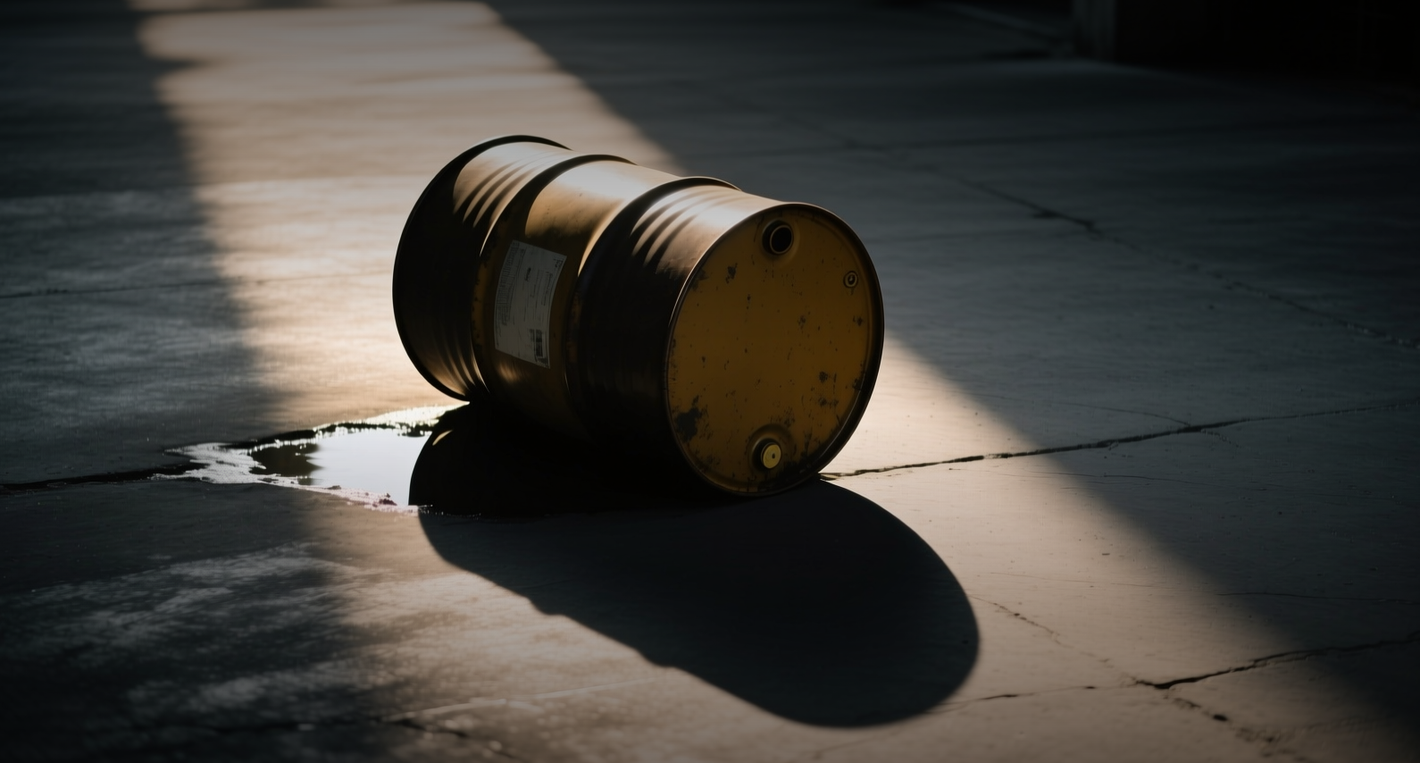
The U.S. emergency oil stockpile has fallen below 310 million barrels for the first time in more than 43 years.
The Strategic Petroleum Reserve dropped to 307.7 million barrels as of July 24, the lowest level since March 1983, after the U.S. released 3.7 million barrels last week to counter supply disruptions from the war in Iran, according to Department of Energy data released Monday.
"The reserve is being drawn at a pace that raises questions about the nation's energy security buffer," said Bob Yawger, director of energy futures at Mizuho Securities. "Each release reduces the cushion available for a genuine emergency."
The latest drawdown included 2.2 million barrels of sweet crude and 1.6 million barrels of sour crude. The U.S. has released 14.5 million barrels so far in July and more than 107.7 million barrels since the Trump administration began emergency releases tied to the Iran conflict. The administration has pledged to release a total of 172 million barrels as part of a coordinated International Energy Agency effort to tap 400 million barrels from member nations' stockpiles.
The reserve now holds 110.6 million barrels of sweet crude and 197 million barrels of sour crude. The releases are conducted under a return-exchange program, requiring companies that receive barrels to return them along with additional oil as a premium. The rapid pace of withdrawals is testing infrastructure that has not undergone major upgrades since the reserve was established after the 1973-74 oil embargo.
Infrastructure Strain
The SPR's four Gulf Coast storage sites — Bryan Mound, Big Hill, West Hackberry and Bayou Choctaw — were designed for gradual releases, not the sustained emergency withdrawals seen since 2022. The reserve was tapped during Russia's invasion of Ukraine and again during the current Iran conflict, marking the first time it has faced back-to-back strategic draws in its five-decade history.
The 307.7 million barrel level compares with a peak of 727 million barrels in 2009. At the current draw rate, the reserve would fall below 200 million barrels by early 2027 if releases continue at the July pace, though the administration has not signaled plans to extend draws beyond the 172 million barrel commitment.
Forward Outlook
Replenishment efforts face headwinds from elevated crude prices tied to the Iran conflict and OPEC+ production discipline. WTI crude has averaged above $80 a barrel this year, making it costly for the Department of Energy to buy replacement barrels. Congress authorized low-cost purchases for replenishment in prior legislation, but funding has been limited.
The depletion of the strategic buffer leaves the U.S. more exposed to any additional supply shocks, whether from further escalation in the Middle East, hurricane-related Gulf Coast production outages, or geopolitical disruptions elsewhere. The next scheduled update on SPR levels from the DOE will be released Aug. 4.
This article is for informational purposes only and does not constitute investment advice.