
American households are carrying $1.26 trillion in credit card debt, within $20 billion of the all-time record, as persistent inflation pushes everyday essentials onto plastic.
American households are carrying $1.26 trillion in credit card debt, within $20 billion of the all-time record, as persistent inflation pushes everyday essentials onto plastic.
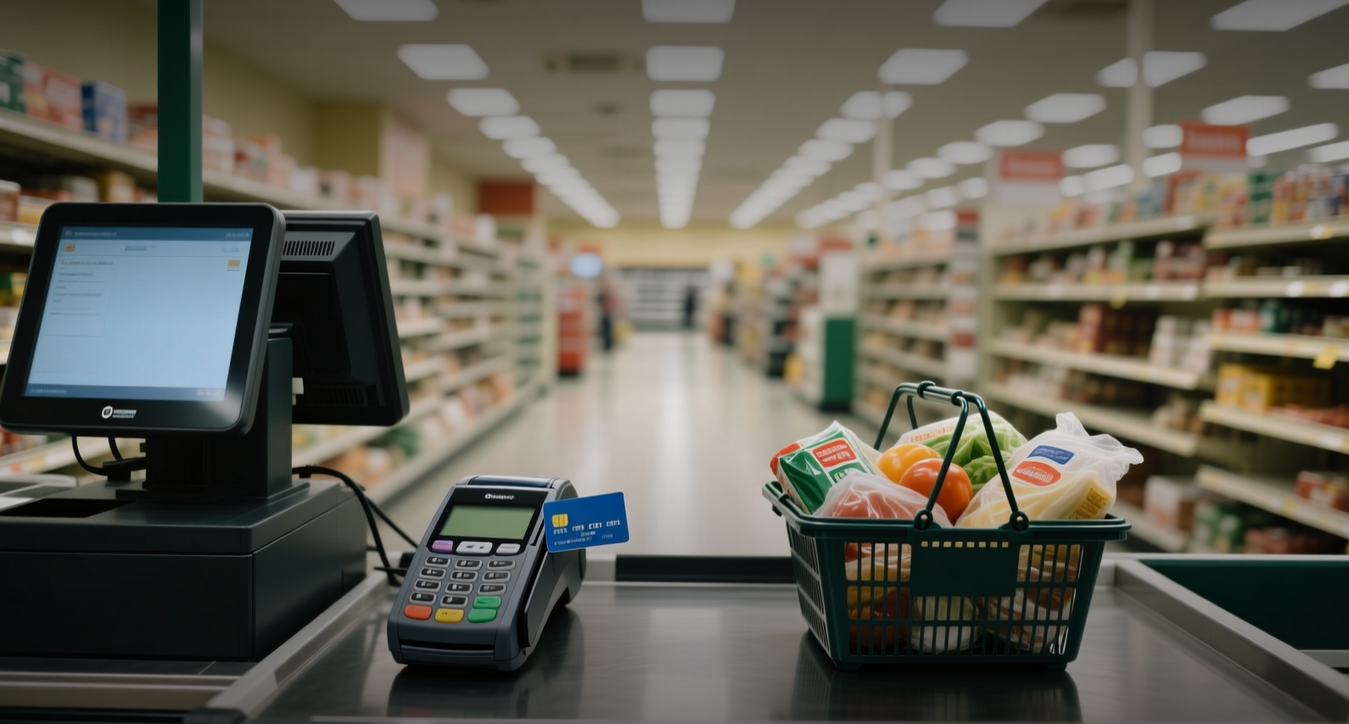
Outstanding U.S. credit card balances reached $1.26 trillion in the second quarter of 2026, just shy of the $1.28 trillion record set late last year, according to the Federal Reserve Bank of New York.
"Prices are still rising faster than paychecks for many workers, so the credit card increasingly becomes the bridge between what comes in and what has to go out," said Michael Ryan, a finance expert and founder of MichaelRyanMoney.com.
The near-record debt load comes as many cards charge annual percentage rates above 20 percent, making revolving balances one of the most expensive forms of borrowing. A Credit Karma survey found 57 percent of parents are entering the school year with existing credit card debt, while nearly half expect to take on new credit for education-related expenses. The typical school supply list now costs nearly $175, roughly 8 percent more than last year, with some items up 20 percent or more.
With AP/Norc polling showing 41 percent of Americans very concerned about affording groceries — up from 24 percent in April — the trajectory of consumer debt will hinge on whether inflation cools enough to ease pressure on household budgets before interest charges compound further.
"Inflation, rising prices, and access to other payment schemes such as Buy Now, Pay Later have all played a role. A lot of this is psychological," said Kevin Thompson, CEO of 9i Capital Group. "People often don't realize how quickly these monthly payments and subscriptions add up. By the time you receive your paycheck, portions of that future dollar have already been spent."
The last time balances approached this level, in late 2025, the Federal Reserve was still holding the federal funds rate at elevated levels, keeping credit card APRs near multi-decade highs. The current cycle has seen average credit card APRs climb above 20 percent for many borrowers, according to industry data. Sarah Rathner, a credit card expert at NerdWallet, noted that high interest rates and inflation are the two primary drivers pushing everyday expenses — food, housing, gas — onto credit cards.
How consumers can break the cycle
Financial experts point to several strategies for paying down high-rate debt. The debt avalanche method prioritizes paying off the highest-interest balances first while maintaining minimum payments on other accounts. The debt snowball method targets the smallest balances first, offering psychological momentum as accounts are eliminated.
"Credit card debt is often the worst kind of debt you can accrue, as interest rates now often exceed 20 percent," said Alex Beene, a financial literacy instructor at the University of Tennessee at Martin. "In the short term, try to reduce your interest bill as much as you can, either by shifting the debt to a 0 percent interest credit card or a personal loan that is at a lower rate."
Debt consolidation loans and nonprofit debt-management plans offer alternatives for borrowers with sufficient cash flow or those genuinely underwater, respectively. "Someone with enough cash flow and a much lower personal loan rate may benefit from consolidation," Ryan said. "Someone genuinely underwater may be better served by a nonprofit debt-management plan, which can lower rates and usually closes the cards while the debt is repaid."
What happens next
Whether credit card balances continue climbing will depend on inflation and the direction of interest rates in the months ahead. For now, many Americans remain heavily reliant on revolving credit as they navigate higher living costs. The broader economic stakes are significant: elevated consumer debt can dampen discretionary spending, weigh on retail sector earnings, and increase default risk for lenders as households allocate more income to interest payments.
"The reality is the majority of Americans are going to encounter rising costs and unemployment or underemployment at some point in their lives," Beene said. "Preparing in advance can go a long way in softening the blow."
Readers should verify figures against the latest official data from the Federal Reserve Bank of New York and other cited sources, as figures may be revised.
This article is for informational purposes only and does not constitute investment advice.
