
Key Takeaways:
- Telegram applied to ICANN for the .gram top-level domain on Aug. 18
- Approval could give 1 billion users addresses like yourname.gram with hosted websites
- ICANN Reveal Day in late October will confirm the application
Key Takeaways:
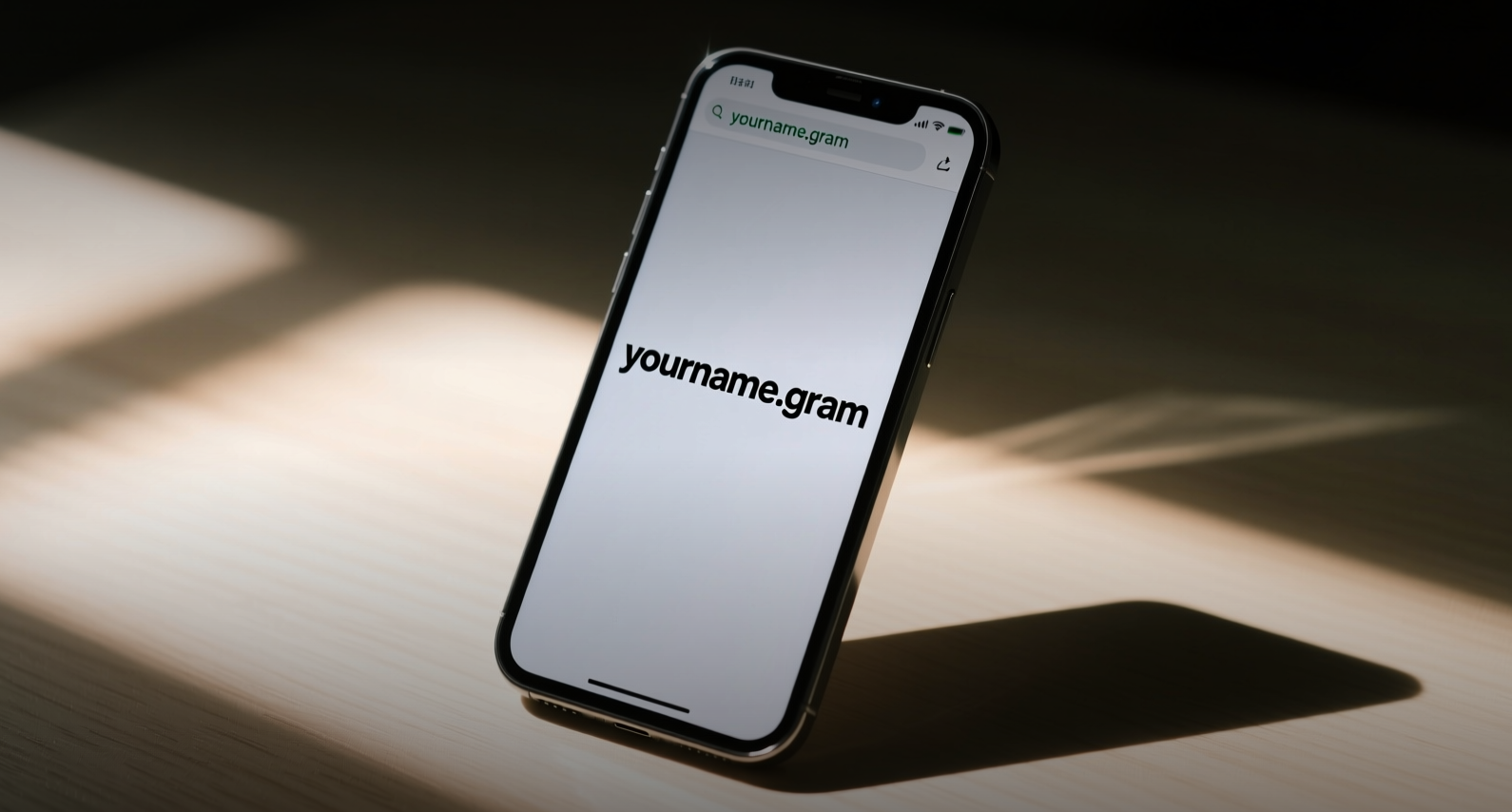
Telegram has applied to ICANN for the .gram top-level domain, a move that could hand more than 1 billion users personal web addresses such as yourname.gram if the application clears the regulator's 2026 round.
Pavel Durov, Telegram's founder, said in an X post on Aug. 18 that the company submitted the application and that users could build interactive websites hosted by Telegram "with one prompt." He did not disclose pricing, allocation rules, or a launch date.
ICANN closed its 2026 application window on Aug. 12 after receiving more than 1,600 primary applications, with a $227,000 fee per string. The regulator expects to publish the full applicant list — known as Reveal Day — no later than nine weeks after the close, placing it in late October.
Approval would let Telegram operate .gram as a registry, ending its reliance on third-party infrastructure after a July 13 outage took every t.me link dark for about 19 hours when Montenegro's .me registry applied a serverHold code. Initial delegations are expected 12 to 18 months after Reveal Day, putting the earliest live date in late 2027.
Telegram's motivation became concrete on July 13, when every t.me link stopped resolving after the .me registry — operated by doMEn, a joint venture whose partners include US-based Identity Digital — set a serverHold code following OFAC sanctions that listed a single channel address. Because only the registry can set that code, Telegram had no mechanism to override it. Durov later bought t.you as a failover domain, but that added another third-party dependency rather than removing one.
Owning .gram would make Telegram the registry operator, giving it control of the zone file, the EPP servers that handle domain creation, and the WHOIS/RDAP services — the same functions that silenced its short links in July.
Under ICANN's Specification 13 framework, a brand top-level domain is a closed namespace with a single registrant. Telegram would create durov.gram by adding a DNS record to its own zone file, and every address would be a Telegram-managed subdomain rather than an independently owned property. Users could not transfer the address, register it through a third-party registrar, or keep it if their account were suspended.
The distinction matters at Telegram's scale. The company passed 1 billion monthly active users in 2025, and Durov has said the platform now has significantly more than that. Even a fraction adopting .gram addresses would create a large new namespace under Telegram's direct control.
The domain bid follows the return of the Gram name across The Open Network. On June 15, Toncoin was renamed Gram after a community vote approved the change with 81.22 percent support, switching the ticker to GRAM while leaving balances and the underlying network unchanged. Gram traded at $1.32 as of Aug. 19, according to CoinGecko data.
Telegram moved closer to the network in May, when Durov said the company would replace the TON Foundation as the main force directing the network and become its largest validator. Toncoin climbed from around $1.30 shortly before that announcement to above $2 within a week. Durov also announced a Gram non-custodial wallet on July 21, targeting the same billion-plus user base.
The .gram proposal would use conventional internet infrastructure overseen by ICANN rather than a blockchain naming service. Durov did not say ownership would be recorded on The Open Network, and the company has not disclosed which registry service provider would support the extension.
Reveal Day in late October will provide the first independent confirmation of Telegram's application. A 14-day window follows for applicants to switch strings if they find unexpected contention, then a 104-day period for third-party objections from trademark holders, community organizations, and governments.
Telegram's regulatory exposure could complicate that path. A French criminal investigation remains open as of August, Australia filed an eSafety Commission lawsuit in July, and Apple briefly removed Telegram from its App Store in early August. ICANN's Governmental Advisory Committee can issue early warnings or consensus objections against specific applications.
The bigger question is what Telegram builds on top of the namespace. The platform's xAI partnership, in which Elon Musk's company agreed to pay $300 million to integrate the Grok model, established the AI layer, and Telegram Desktop's August update added custom AI prompt tabs to its article editor. A user typing a natural-language prompt could generate HTML that Telegram stores and serves, with the .gram DNS record pointing to that content — making Telegram a combined registry, host, and AI content generator.
For now, .gram remains a proposal rather than a live domain zone. The next test comes when ICANN publishes its 2026 application list, and the earliest possible delegation sits in late 2027 or early 2028.
This article is for informational purposes only and does not constitute investment advice.
