
SpaceX's Starship Flight 13 was aborted at T-zero after four Raptor engines failed to ignite, delaying the V3 rocket's test campaign and adding pressure to NASA's 2028 Artemis lunar deadline.
SpaceX's Starship Flight 13 was aborted at T-zero after four Raptor engines failed to ignite, delaying the V3 rocket's test campaign and adding pressure to NASA's 2028 Artemis lunar deadline.
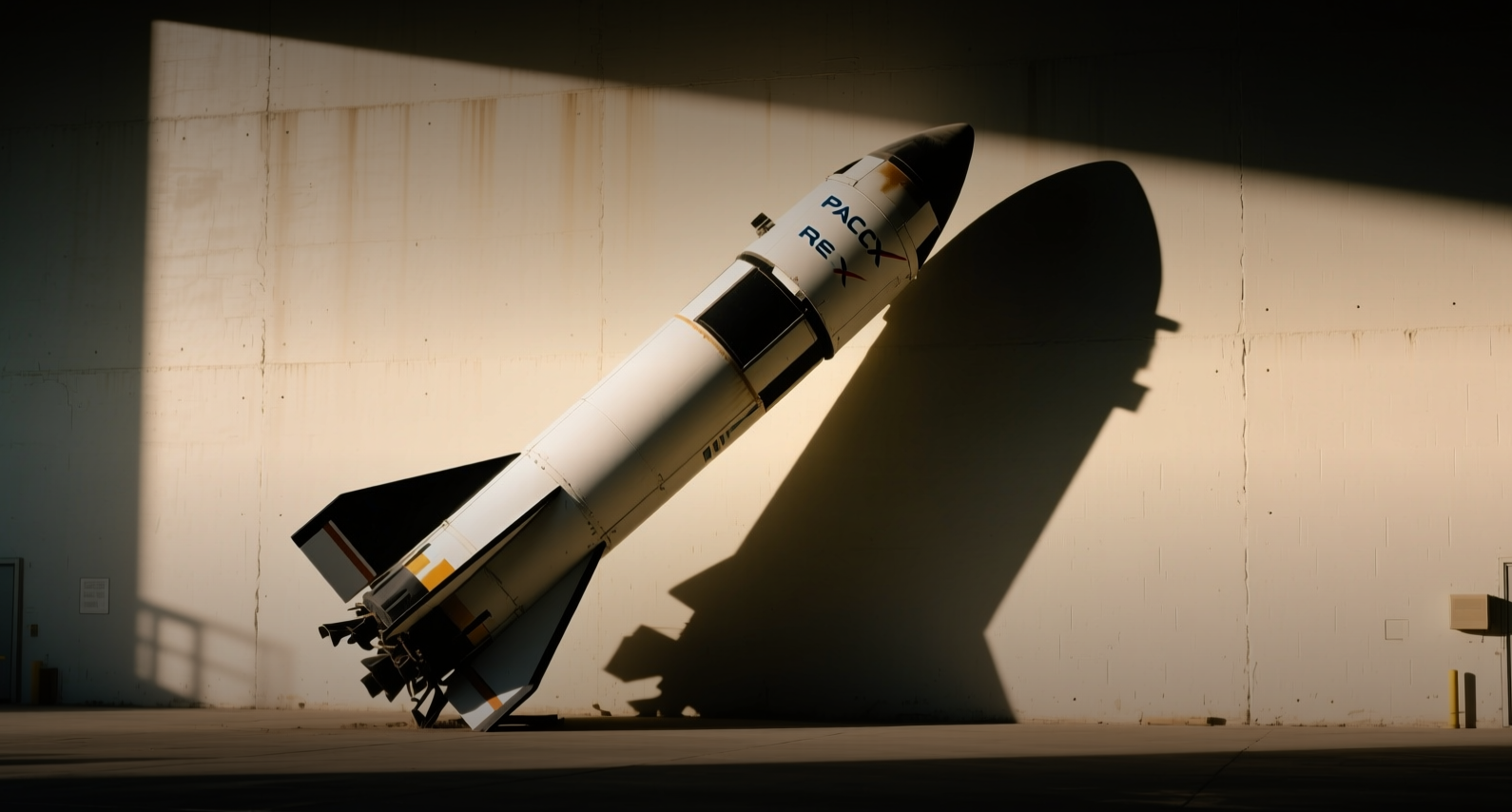
SpaceX's Starship Flight 13 was aborted at the last second Thursday evening as four of the Super Heavy booster's 33 Raptor 3 engines failed to ignite, forcing an automatic launch abort at the company's Starbase facility in South Texas. The scrub extends a string of engine-related setbacks for the upgraded V3 rocket and tightens the timeline on NASA's 2028 Artemis lunar deadline.
"Some of the engines didn't start, triggering an automatic launch abort," Elon Musk, SpaceX's founder and chief executive officer, said on his social media platform X. "To be confident of a good flight, 2 Raptors will be removed and replaced. Most probable launch timing is early next week."
The countdown had proceeded smoothly through propellant loading, with more than 11.5 million pounds of liquid methane and liquid oxygen loaded into the two-stage vehicle. But as the Super Heavy booster's engine startup sequence began, the launch computer called an automatic abort. A graphic on SpaceX's live stream indicated that four engines never ignited, according to Ars Technica. The mission was set to be the first to deploy V3 Starlink satellites — 20 next-generation spacecraft weighing about 2 metric tons each, designed to dramatically boost per-satellite bandwidth.
Flight 13 was the second test of the upgraded Starship V3 and its new Raptor 3 engines, following Flight 12 in May 2026, when five of the booster's 33 engines failed to reignite during the boostback burn, preventing a controlled splashdown in the Gulf of Mexico. The upper stage also lost one of its six Raptor engines prematurely during that mission. SpaceX had modified the engine startup sequence for Flight 13 to be "more robust to timing variability," according to a company recap of the previous flight, but the fix proved insufficient to prevent Thursday's abort.
The Artemis Clock Is Ticking
The stakes extend beyond SpaceX's internal test campaign. NASA has selected the Starship V3 variant for its Artemis III and IV lunar missions, which aim to return humans to the moon by 2028. Each delay in the test program pushes that timeline closer to the edge. Blue Origin, led by Jeff Bezos, is developing its own Blue Moon lander as a competing option, intensifying the pressure on SpaceX to demonstrate reliable orbital capability.
SpaceX had also planned to use Flight 13 to achieve two milestones it has not yet accomplished with the V3 design: a controlled booster splashdown in the Gulf of Mexico and in-space engine reignition on the upper stage. The booster was to attempt a controlled descent approximately 7 minutes after launch, while the ship would follow a suborbital trajectory to a splashdown in the Indian Ocean after 65 minutes. Both objectives remain unfulfilled.
The company's cadence goals also hang in the balance. SpaceX is working to establish a rapid launch and reuse schedule for Starship to support Starlink satellite deployment at scale. The V3 Starlink satellites, grounded by Thursday's abort, represent a critical capacity expansion for the constellation, which now numbers 10,832 working satellites in orbit out of 12,552 launched, according to KeepTrack.space data.
SpaceX's next attempt will depend on how quickly engineers can complete the engine swap and resolve the underlying ignition issue. Musk's estimate of "early next week" suggests a relatively contained hardware fix, but the pattern of engine failures across consecutive V3 flights raises questions about Raptor 3 reliability under startup conditions. For investors in SpaceX's private shares and for publicly traded suppliers, each scrub extends the uncertainty around Starship's path to operational service and the company's ability to meet its contractual obligations to NASA.
This article is for informational purposes only and does not constitute investment advice.
