S&P forecasts SK Hynix will announce a 20-40 trillion won ($28 billion) Q4 buyback, extending record shareholder returns from the AI memory boom.
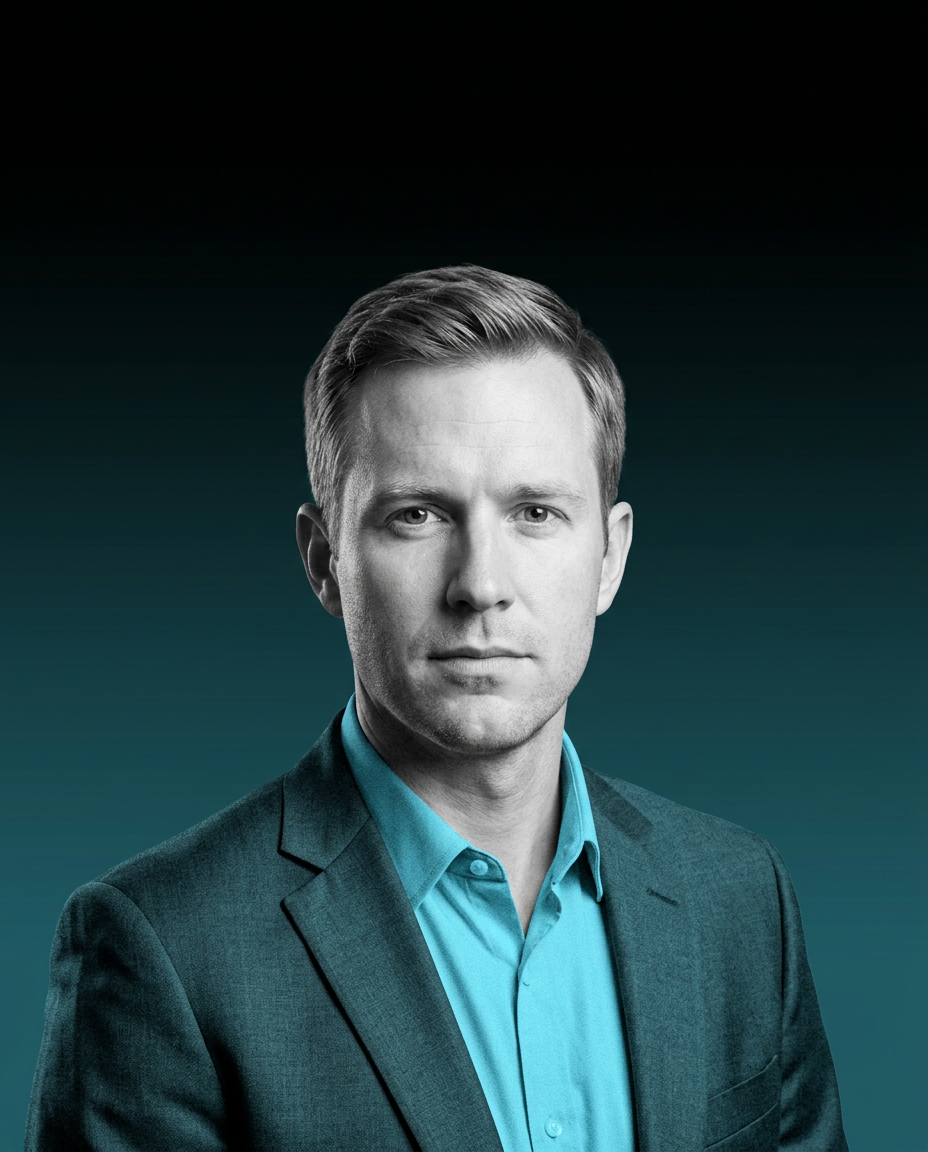
"We think that there will be more buybacks that will get announced in Q4," Mohammad Hassan, head of Asia-Pacific equities dividend forecasting at S&P Global Market Intelligence, said in an interview. "It would be on the lower end of maybe 20 trillion won or maybe the same, another 40 trillion won."
The forecast follows SK Hynix's August announcement of a 40 trillion won buyback-and-cancel program running through Nov. 19. S&P raised its fourth-quarter dividend forecast to 38,097 won per share from 27,268 won, comprising a regular dividend of 375 won and a special dividend of 37,722 won. The estimate is based on projected 2026 free cash flow of 103 trillion won to 215 trillion won.
SK Hynix shares rose as much as 5 percent in Seoul trading Wednesday, while its US-listed ADRs gained 6 percent to $187.99. The buyback program, combined with Samsung Electronics' record 90 trillion to 110 trillion won shareholder-return plan, could set a new benchmark for Korean corporate governance and draw long-term foreign investors.
SK Hynix replaced a framework that allowed annual returns to fall below 50 percent with a pledge to return more than 50 percent of cumulative free cash flow, a shift S&P said marks the institutionalization of shareholder returns. Even after another large repurchase, the company would retain capacity to pay "some really good, decent dividends," Hassan said.
Samsung Electronics announced its own record program shortly after SK Hynix, estimating total distributions at 90 trillion to 110 trillion won. S&P assumes Samsung will distribute 80 percent of its remaining fourth-quarter return as dividends, resulting in a forecast of 9,149 won per share. Samsung has canceled more than 87 million treasury shares.
Ownership structures help explain the different strategies. Large share cancellations at Samsung could push the combined stake of Samsung Life and Samsung Fire & Marine above the 10 percent regulatory threshold, potentially forcing them to sell. At SK Hynix, cancellations would increase SK Square's stake and help it remain above the 20 percent regulatory minimum.
"SK hynix seems to have received a better response," Hassan said, though he cautioned that a firm verdict should wait until third-quarter results and further guidance in late October.
Hassan challenged the assumption that the AI cycle is nearing its peak, saying the investment cycle remains in an early stage. Projected cash generation through 2027 should remain sufficient to support both technology investment and shareholder returns, he said.
The announcements could help Korea attract investors willing to hold shares for the long term rather than trade short-lived rallies. But one round of large payouts will not eliminate the Korea discount, Hassan said, adding that investors will need several years of clear policies and consistent execution.
"These are great companies, and they're in the middle of some really important developments globally," he said. "Now the question becomes: How do they keep their shareholders happy, how do they invest back into the company and the wider economy of Korea, and how does that take everyone forward?"
This article is for informational purposes only and does not constitute investment advice.