Seoul's benchmark index climbed as memory makers SK Hynix and Samsung Electronics rallied on expectations that the AI boom will sustain demand for chips and high-bandwidth memory through 2026.
Seoul's benchmark index climbed as memory makers SK Hynix and Samsung Electronics rallied on expectations that the AI boom will sustain demand for chips and high-bandwidth memory through 2026.
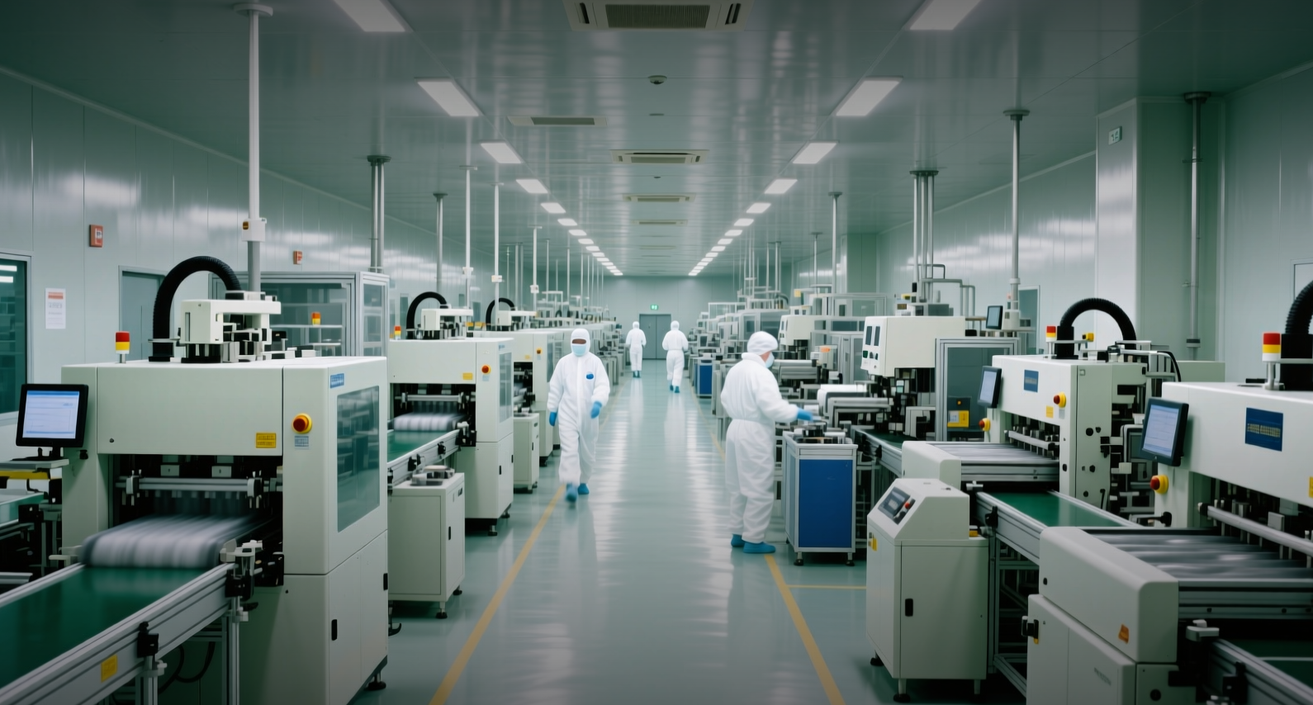
South Korea's Kospi surged as SK Hynix jumped 8 percent and Samsung Electronics gained 4 percent, extending an Asian tech rally on bets that the artificial-intelligence boom will keep driving demand for chips and high-bandwidth memory.
The advance tracked a broader regional climb as investors piled into semiconductor names on expectations that AI infrastructure spending will hold through 2026. OpenAI's Astra launch has reignited the memory trade, with model developers and cloud providers ordering more of the high-bandwidth memory chips that South Korean suppliers dominate, according to market reports.
SK Hynix and Samsung together supply the bulk of global high-bandwidth memory, placing them at the center of the AI hardware buildout. Both have expanded production capacity to meet orders from AI developers and cloud providers, and the two memory makers have been the main beneficiaries of surging demand for the specialized chips used to train large language models. The AI boom has accelerated development of high-bandwidth memory and specialized processors essential for model training, cementing South Korea's leadership in memory technology, according to CNBC.
The rally in Seoul's benchmark came as the AI demand narrative spread beyond US megacaps into Asian suppliers. Chip-sector professionals in South Korea have seen pay climb sharply as bonuses tied to sector performance swell, reshaping hiring and compensation across the industry, according to CNBC. The gains also echo a rotation in global tech, where investors have begun distinguishing between hardware suppliers that profit directly from the AI buildout and software names facing disruption from the same models.
For investors, the Kospi's advance shows how deeply the AI trade has penetrated Asian equity markets, where memory makers now act as a proxy for global AI capital spending. The open question is whether the memory cycle can hold its momentum as rivals add capacity and model developers push to cut costs, with Nvidia and TSMC shaping the demand outlook for the chips that feed the AI supply chain. A sustained run in Seoul would reinforce the case that the AI infrastructure cycle still has room to run into next year, even as investors weigh the risk of an eventual supply glut in memory.
This article is for informational purposes only and does not constitute investment advice.
