
South Korea's AI chip dominance is turning its stock market into a mirror of US tech, eroding the diversification benefit that once made emerging Asia a portfolio hedge.
South Korea's AI chip dominance is turning its stock market into a mirror of US tech, eroding the diversification benefit that once made emerging Asia a portfolio hedge.
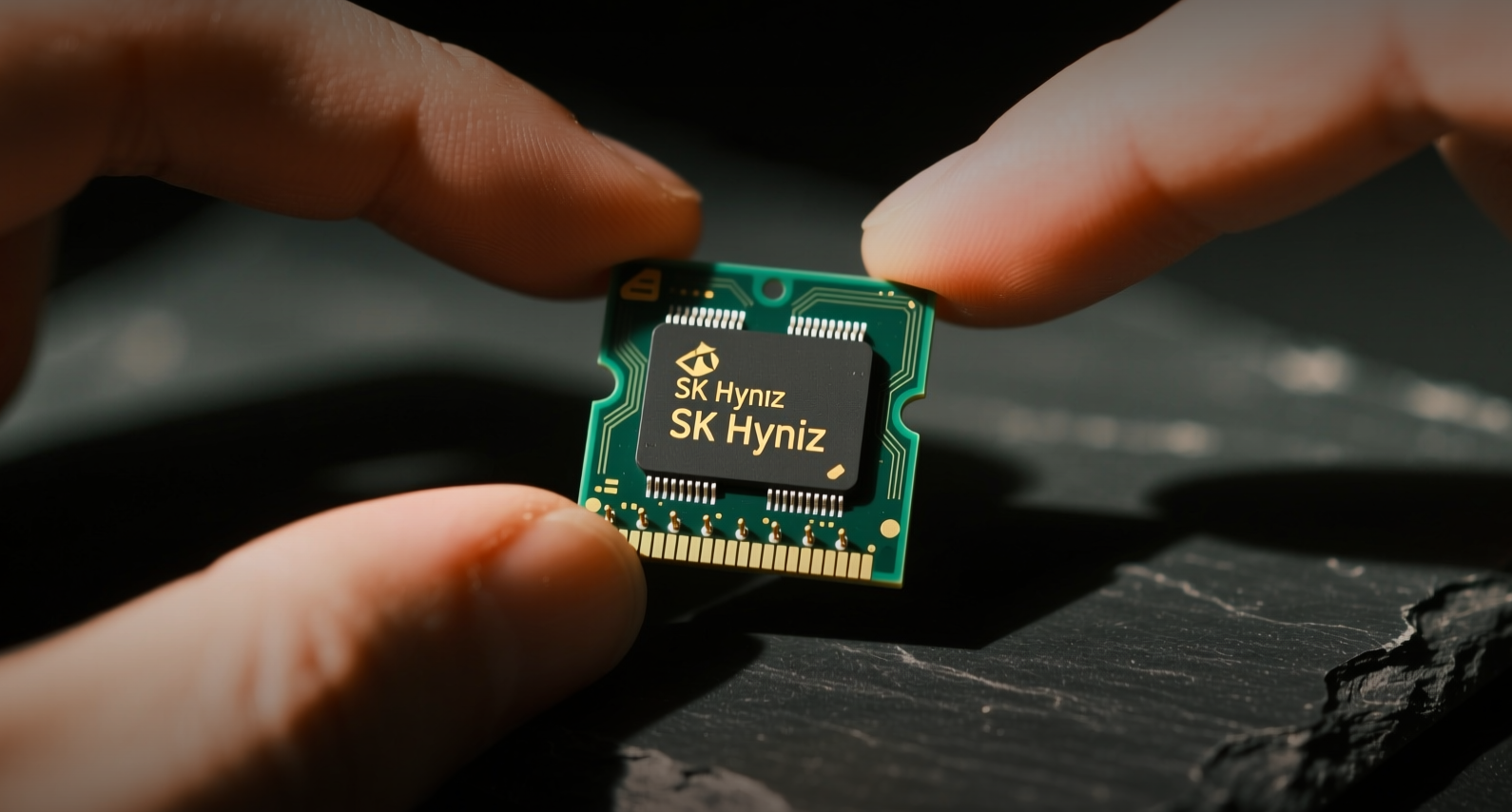
SK Hynix's 167% rally this year has tightened Korea-US tech stock correlation, turning Seoul into a proxy for Nasdaq exposure.
"The growing correlation between Korean and US tech stocks means investors holding both markets are no longer getting the diversification they expect," said Priya Mehta, equity market structure analyst at Edgen. "If AI spending slows, both markets could face simultaneous drawdowns."
Samsung Electronics Co. and SK Hynix Inc., which together control nearly half the global memory chip market, have become the primary transmission mechanism. SK Hynix controls 29% of the DRAM market and 18% of NAND flash, according to Counterpoint Research. The company's first-quarter profit rose fivefold year over year, while revenue nearly tripled, fueled by the AI-driven memory shortage that has sent chip prices surging across both categories.
The tighter linkage threatens to upend a core portfolio strategy. South Korea has long served as an emerging-market diversifier for US-heavy equity allocations, but the AI boom has transformed its largest companies into direct extensions of the US tech trade. TrendForce estimates the combined NAND and DRAM market will reach $1.28 trillion in 2027, up from $843 billion in 2026, meaning the correlation is likely to intensify before it eases.
The Nvidia-SK Group collaboration announced Monday added fresh momentum to the linkage. The $500 billion infrastructure and chip partnership — one of the largest corporate tie-ups in the semiconductor industry — sent Korean memory stocks lower as investors weighed the implications of elevated capital spending. SK Hynix shares fell 7.4% on its Nasdaq debut, ending below its US listing price, while Samsung Electronics declined alongside it.
The selloff coincided with growing competition from Chinese memory makers, adding another layer of risk. Korean chip stocks have become sensitive not only to US AI demand but also to any signs that China's domestic semiconductor industry is narrowing the technology gap. SK Hynix's US-listed shares have been volatile since their Nasdaq debut, reflecting the cross-currents between AI optimism and supply-chain concerns. The broader Kospi index has increasingly moved in tandem with the Philadelphia Semiconductor Index, a proxy for US chip stocks, as the two markets share the same demand drivers and supply-chain exposures.
For global portfolio managers, the math is shifting. The correlation between the Kospi and the Nasdaq has risen as AI-related revenue now accounts for a growing share of Korean tech earnings. SK Hynix estimates the memory supply crunch could worsen in 2027, suggesting chip prices will continue rising — and with them, the stock correlation.
The risk is asymmetric: when AI demand accelerates, both markets rise together. But a slowdown in capital spending by US hyperscalers — Microsoft Corp., Amazon.com Inc., Alphabet Inc. and Meta Platforms Inc. — could trigger simultaneous declines in Seoul and New York, leaving investors with nowhere to hide within their tech allocations. SK Hynix currently trades at less than eight times forward earnings, a discount that reflects the market's uncertainty about how long the AI-driven memory boom can last.
The implications extend beyond individual stocks. Fund managers who allocated to South Korea as a standalone emerging-market bet may need to reassess their exposure, particularly if the Kospi's sector composition continues to concentrate in AI-linked names. Technology and semiconductor stocks now account for a record share of the Kospi's market capitalization, amplifying the index's sensitivity to US tech sentiment.
This article is for informational purposes only and does not constitute investment advice.
