
Neuracle Technology's NEO system became the first approved brain-computer interface implanted in a human patient during surgery in Shanghai.
Neuracle Technology's NEO system became the first approved brain-computer interface implanted in a human patient during surgery in Shanghai.
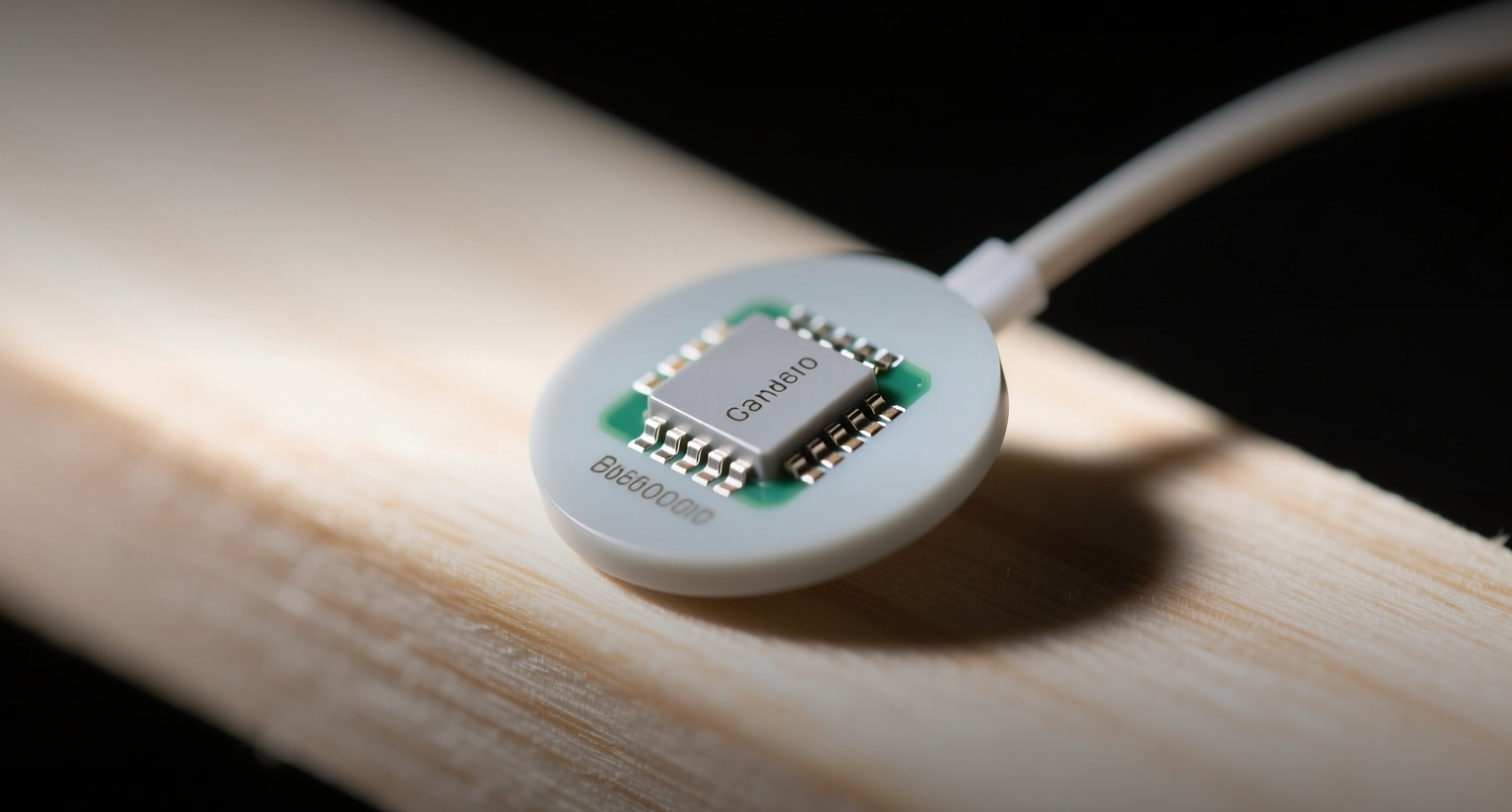
Shanghai's push to commercialize brain-computer interfaces reached a milestone July 13 as Neuracle Technology's NEO system — the world's first approved implantable BCI Class III medical device — was implanted in a patient at Huashan Hospital.
"The surgery marks the transition of BCI from research prototypes to a clinically reimbursable therapy," Wang Yujing, marketing director at Neuracle, said. Intraoperative testing showed stable, high-quality epidural brain signals, the company said.
The NEO system, approved by China's National Medical Products Administration in March, decodes brain signals to restore hand grasp function in quadriplegic patients with cervical spinal cord injuries. It uses a pneumatic glove driven by neural commands — a less invasive approach than penetrating electrode arrays used by competitors such as Neuralink, which requires craniotomy and intracortical implantation.
Neuracle filed for a STAR Market IPO in June 2025, seeking to become the first BCI company to list on the A-share market. The company has secured a hospital billing code in Shanghai, though broader reimbursement negotiations with medical insurance authorities remain ongoing, Wang said.
The Huashan surgery is the first test of whether an approved BCI device can move from regulatory clearance into routine clinical use. Neuracle's system received NMPA registration in March as an innovative medical device, but commercialization requires hospital procurement listings, pricing agreements, and patient access pathways that are still being built.
Shanghai's Neuro Space industry cluster, launched in June, is designed to accelerate that process. The cluster houses more than 50 BCI companies, including Neuracle and Mindtrix Technology, alongside the Synlinx BCI Super Incubator and Huashan Hospital's clinical translation platform. The incubator has nurtured 25 companies with combined financing exceeding 1 billion yuan ($138 million).
Competitive Sector
The BCI sector remains fragmented, with competing approaches to neural interface. Neuralink, backed by Elon Musk, has implanted its device in at least three patients but has not received regulatory approval outside the US. Synchron, a US-based competitor, uses a stent-like endovascular device that avoids open brain surgery. Neuracle's NEO occupies a middle ground — its epidural electrodes sit on the brain's surface rather than penetrating tissue, offering a balance of signal quality and surgical risk.
Mindtrix Technology, also based in Neuro Space, is pursuing visual restoration with its MXIRV1024 system, expected to enter clinical trials around 2028 with a target price of about 300,000 yuan per procedure. The company aims to address an estimated 10 million postnatally blind individuals in China.
The Investment Case
Neuracle's path to revenue depends on hospital adoption and reimbursement. Non-invasive BCI competitor Shaonao Tech has already secured hospital pricing — Beijing Tiantan Hospital paid 1.32 million yuan for its rehabilitation system, and patient-side pricing ranges from 960 to 990 yuan per session in several provinces. Neuracle's implantable system faces a higher regulatory bar and longer sales cycle but also commands a larger addressable market among spinal cord injury patients.
For investors, the Huashan surgery confirms that China's BCI regulatory pathway can produce clinically usable devices. The question is whether Neuracle can scale manufacturing, secure broad reimbursement, and demonstrate durable clinical outcomes before cash-burn pressures mount.
This article is for informational purposes only and does not constitute investment advice.
