
Samsung's semiconductor division earned more in a single quarter than it did in the previous 40 years combined — and that windfall is tearing the company apart.
Samsung's semiconductor division earned more in a single quarter than it did in the previous 40 years combined — and that windfall is tearing the company apart.
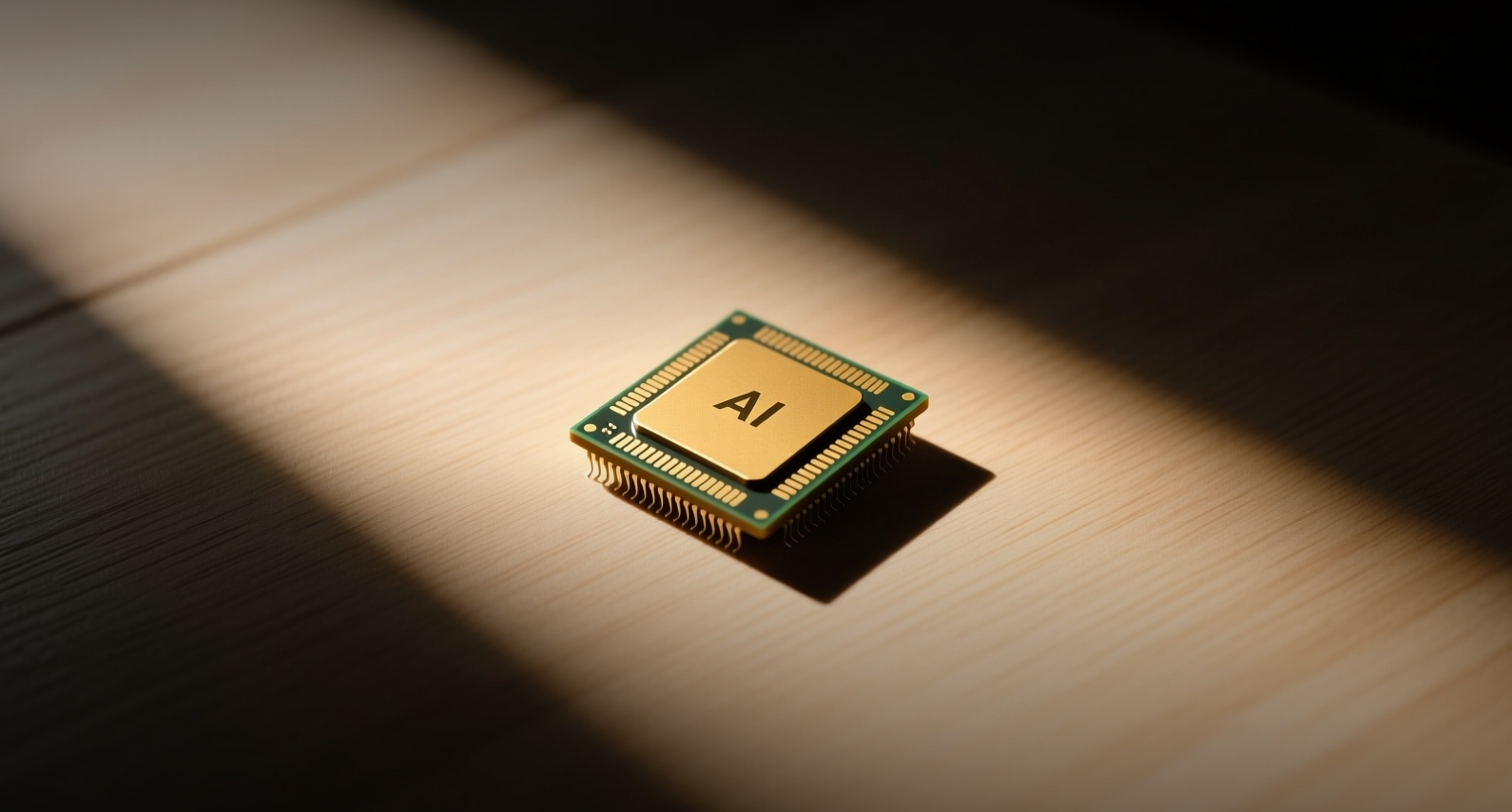
Samsung Electronics posted a record 89.4 trillion won ($69.5 billion) in second-quarter operating profit, surpassing Nvidia and Apple to become the world's most profitable company, as the AI-driven memory supercycle pushed DRAM prices up 90% in a single quarter.
"This quarter's performance reflects the full arrival of a memory supercycle driven by AI infrastructure investment," Kim Yong-kwan, President and Head of Business Strategy at Samsung's Device Solutions division, told employees at a recent town hall, according to people familiar with the matter.
Revenue surged 129% year-on-year to 171 trillion won, while operating profit jumped 1,810% from a year earlier, the company said in preliminary results. The semiconductor division accounted for the vast majority of earnings, with analysts estimating memory profits alone reached 90 trillion won. DRAM average selling prices rose 50% quarter-on-quarter and NAND flash jumped 60%. Samsung has already raised commodity DRAM prices 90% in the first quarter versus the fourth quarter of 2025, followed by another 50% to 60% sequential increase in the second quarter, and is negotiating a further 20% increase for the third quarter.
The windfall has exposed a deep internal rift. Under a tentative May agreement mediated by South Korea's labor minister, Samsung will allocate 10.5% of semiconductor division operating profit as a special performance bonus for chip employees — potentially worth up to 600 million won ($450,000) per person. Workers in the device experience division, which makes smartphones and home appliances, will receive a flat 6 million won ($4,500). That 100-to-1 gap has triggered a rebellion: the DX union plans a rally on July 16 with 2,000 to 3,000 participants, and more than 200 core engineers have already left for rival SK Hynix.
The Semiconductor Supercycle
Samsung's record profit was driven by a perfect storm in memory chips. AI data center buildouts by global technology companies have created insatiable demand for high-bandwidth memory and server DRAM, while tight supply — meaningful new capacity is not expected until 2033 — has pushed prices to historic highs. LPDDR5X memory, used in AI-capable smartphones, saw 12GB contract prices rise from around $120 to about $145 per unit this year alone.
The company's dominant manufacturing position amplifies the advantage. Samsung's DRAM production capacity of 650,000 to 700,000 wafers per month is more than double that of Micron and about 20% higher than SK Hynix, giving it unmatched scale to capture the upcycle. Analysts project Samsung's annual operating profit will surge 790% year-on-year to 380 trillion won in 2026, with 2027 estimated at 570 trillion won — a two-year cumulative total approaching 950 trillion won.
Without the 15 trillion to 19 trillion won provision for performance bonuses agreed in labor negotiations, Samsung's second-quarter operating profit would have exceeded 100 trillion won.
The 100x Pay Gap That Is Fracturing Samsung
The bonus disparity reflects a structural tension built into Samsung's business. During the 2023 memory downturn, the semiconductor division lost 14.9 trillion won while the device experience division earned 14.4 trillion won — the DX business effectively carried the company. Now the cycle has reversed, and the chip division's windfall is bypassing the colleagues who subsidized its losses.
The conflict extends beyond divisions. Inside the semiconductor business itself, the profitable memory group is awarding bonuses worth 607% of annual salary, while the loss-making foundry and system LSI units pay just 50% to 100%. "No significant performance, just being in the memory division gets you a huge bonus, while those who joined the foundry business with big dreams suddenly became poor," one Samsung employee told local media.
Competitor SK Hynix has taken a different approach. In September 2025, it signed a 10-year agreement with its union that abolished the bonus cap and committed 10% of annual operating profit to a company-wide bonus pool for all employees. The contrast has accelerated the talent drain: Samsung has lost more than 200 core engineers to SK Hynix since May, according to people familiar with the matter.
What This Means for Investors
The labor unrest introduces operational risk at a moment when Samsung's semiconductor business is generating cash at an unprecedented rate. The company's foundry and system LSI units — strategic priorities for Samsung's long-term competitiveness against TSMC — are already struggling to retain talent. If the July 16 rally escalates into broader work stoppages, production disruptions could threaten the very supply chain that is generating the record profits.
Samsung shares face a dual narrative: record earnings supported by a structural memory upcycle, offset by governance risk and talent flight that could undermine the non-memory businesses where the company's future growth lies. The 100x bonus gap is not just a labor problem — it is a strategic vulnerability.
This article is for informational purposes only and does not constitute investment advice.
