
Russia continues selling gold from state reserves to support its economy amid tightening Western sanctions and reduced energy revenues, adding to global bullion supply.
Russia continues selling gold from state reserves to support its economy amid tightening Western sanctions and reduced energy revenues, adding to global bullion supply.
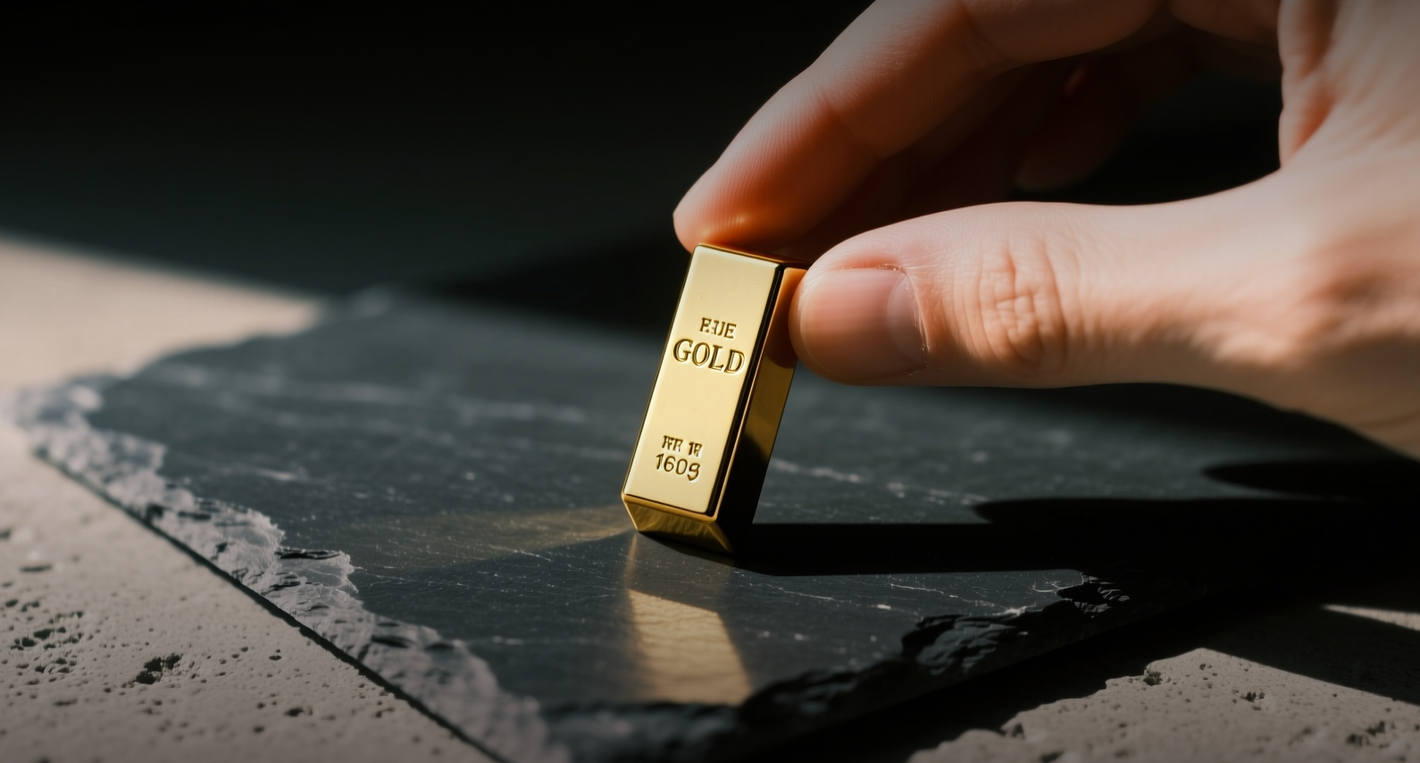
Russia continued selling gold from its state reserves in July to finance budget shortfalls as Western sanctions tighten, adding to global bullion supply.
"Russia's gold sales are a direct consequence of reduced energy revenues and restricted access to foreign exchange reserves," said Paul Harris, head of commodity strategy at BMI, a Fitch Solutions research unit. "The Kremlin is monetizing its largest liquid asset."
The Bank of Russia has not disclosed the volume of gold sold in July. The country ranks among the world's largest gold producers, with annual output exceeding 300 tonnes, and typically channels a portion of new production to its central bank reserves.
The sales come as the European Union adopted its 21st package of sanctions against Russia on July 23, targeting energy revenue, financial services and crypto assets used to bypass restrictions, according to a statement from the EU Council. Russia's oil and gas revenue has declined as the price cap on Russian crude and EU import bans reduce export income.
Additional Russian gold supply could weigh on global bullion prices, which have been supported in recent months by central bank purchases and expectations of lower US interest rates. The next catalyst for gold markets is the Federal Reserve's July 30 rate decision, with markets pricing in a potential quarter-point cut that would reduce the opportunity cost of holding non-yielding assets.
This article is for informational purposes only and does not constitute investment advice.
