
Retirement healthcare costs rose 7.5% this year, pushing the savings target for a 65-year-old to $185,500, Fidelity estimates.
Retirement healthcare costs rose 7.5% this year, pushing the savings target for a 65-year-old to $185,500, Fidelity estimates.
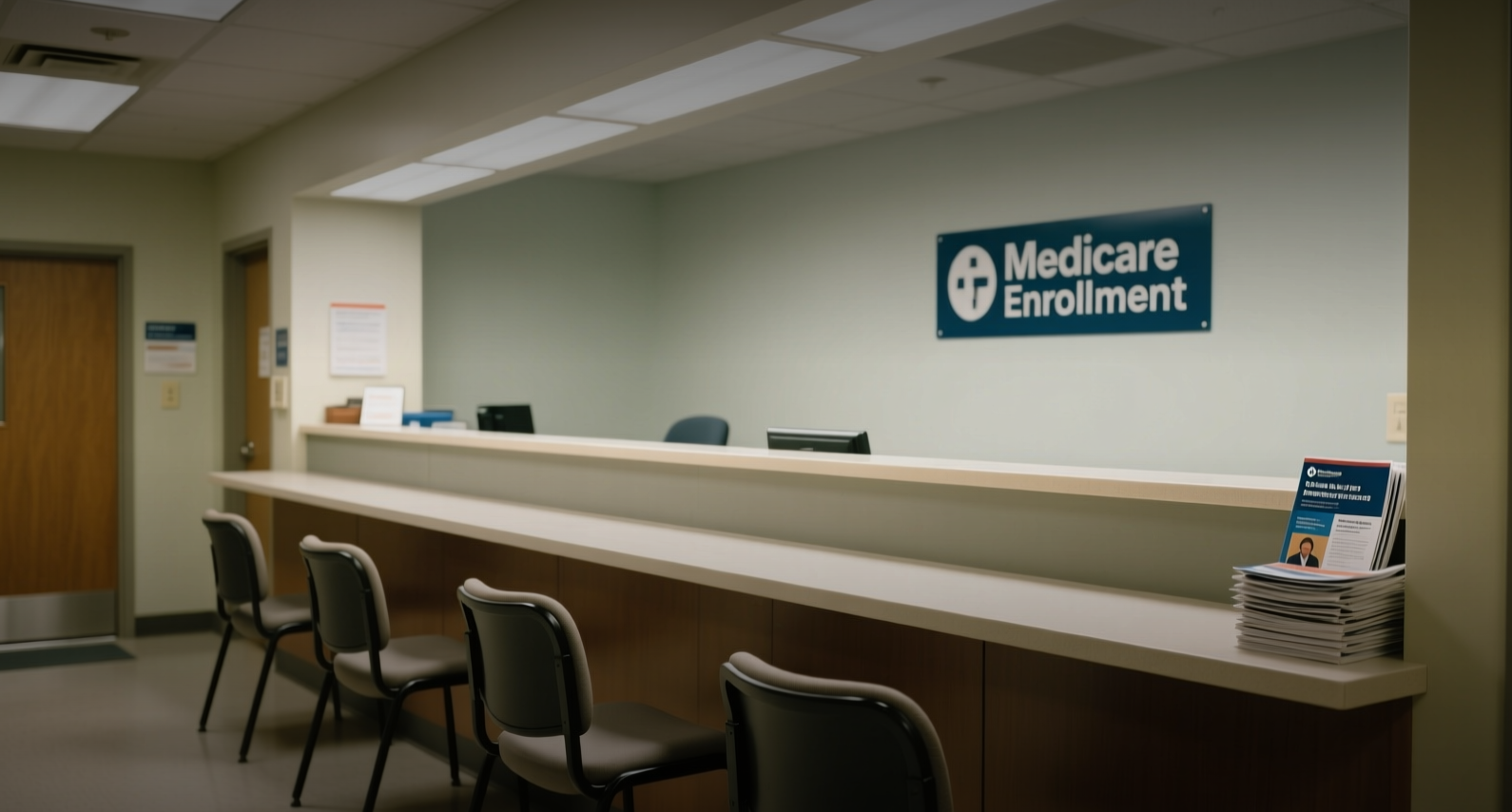
Retirement healthcare costs climbed 7.5% this year, and a 65-year-old retiring today needs $185,500 saved to cover medical expenses under Medicare, according to Fidelity's 2026 Retiree Health Care Cost Estimate.
Healthcare costs rank as retirees' top financial worry, with 81% of participants in an Oath Money & Meaning Institute survey naming them among their top three retirement concerns.
The $185,500 figure spans monthly Medicare premiums, prescriptions, deductibles, and other out-of-pocket costs, and the 7.5% annual increase is the sharpest in a decade. Earmarking $200,000 adds a buffer above the projection to absorb inflation, gaps in Medicare coverage, unexpected health events, and services the program does not cover, such as vision and hearing care. The estimate already assumes Medicare coverage, so real exposure for many retirees runs higher once supplemental plans and uncovered services are added.
The coverage choice shapes how much of that money retirees actually spend. Traditional Medicare paired with a full Medigap plan carries higher monthly premiums but more predictability, with little or nothing owed at the doctor's office. Medicare Advantage, by contrast, layers on co-pays and deductibles plus provider-network, prior-authorization, and care-denial hurdles. If time is money, Advantage is the more costly option.
The tradeoff is real: Medigap premiums run higher each month, but they convert unpredictable medical bills into a known fixed cost. Advantage plans often advertise lower or zero premiums, yet the out-of-pocket exposure — co-pays, deductibles, and out-of-network charges — can exceed what a retiree on Medigap would pay in a bad health year. For retirees who value certainty over cost, the predictability of traditional Medicare plus Medigap tends to win out.
For those still working, a health savings account offers three tax advantages — pretax contributions, tax-free investment growth, and tax-free withdrawals for qualified medical expenses — and balances roll over year to year, so the full account can carry into retirement. Setting the money aside in a separate account dedicated solely to healthcare keeps it from being redirected to other spending. Boosting contributions to employer retirement plans and individual retirement accounts can also help; invested for growth over 10 years or more, those funds can reasonably accumulate an additional $200,000 by retirement.
Hitting the full target is not all-or-nothing. A retiree investing $300 per month between ages 55 and 65 in an account earning an average annual return of 7 percent would accumulate nearly $50,000 — enough to cover Medicare premiums for decades or meet deductibles for years. Even a partial target eases the burden of uncertain future costs.
The rising estimate is why healthcare planning deserves a dedicated line in retirement budgets. With costs climbing faster than general inflation and coverage options carrying very different out-of-pocket profiles, retirees who lock in predictable coverage and earmark savings early face fewer surprises — and spend fewer hours negotiating networks and denials. For those still years from retirement, the window to build an HSA balance and a dedicated healthcare bucket remains open; delaying narrows it as the cost estimate keeps climbing. A retiree who starts saving $300 a month at 55 still lands near $50,000 by 65 — a meaningful cushion even if the full $200,000 target stays out of reach.
This article is for informational purposes only and does not constitute professional advice; figures reflect Fidelity's 2026 estimate and should be verified against the latest official announcements.
