
Individual investors sold a net $213 million of single stocks on Tuesday, the largest one-day outflow since the Covid crash, Vanda Research data show.
Individual investors sold a net $213 million of single stocks on Tuesday, the largest one-day outflow since the Covid crash, Vanda Research data show.
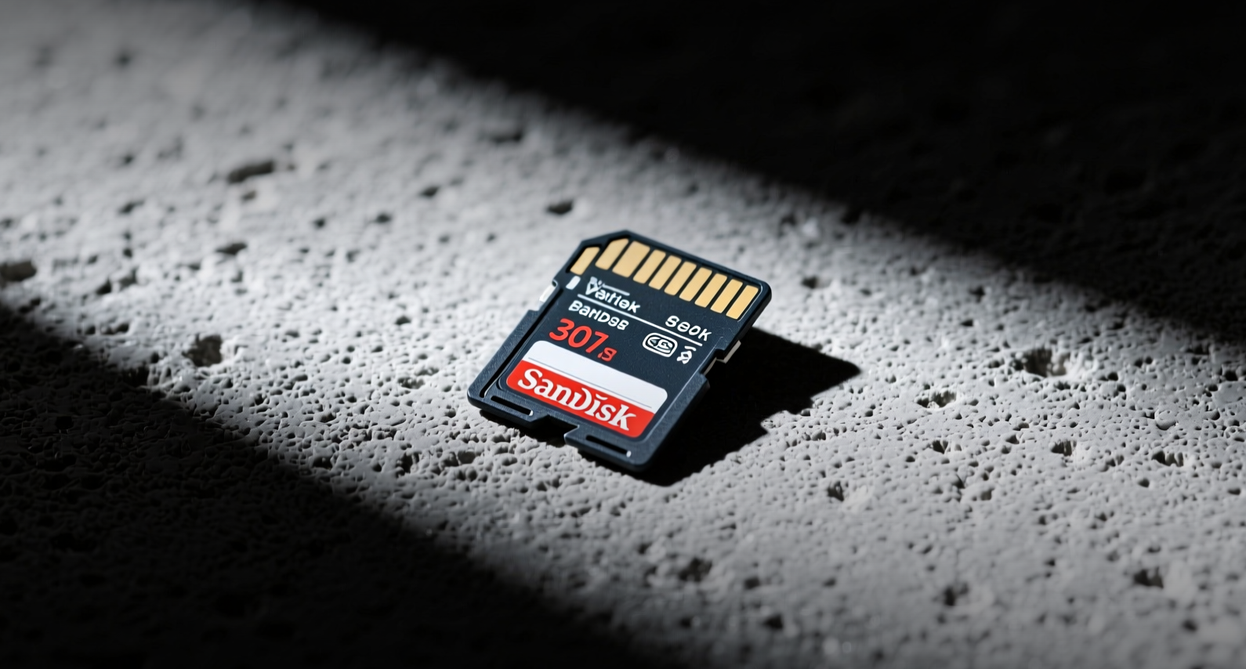
Individual investors recorded their largest net selling of single stocks since the Covid crash, dumping a net $213 million on Tuesday, according to Vanda Research.
"The retail crowd is turning far more discerning, increasingly willing to reduce single-name risk while favoring ETFs," the Vanda Research team wrote in a note Wednesday.
The selling was concentrated in memory-chip stocks, with Micron Technology Inc., Sandisk Corp., Seagate Technology Holdings Plc and Western Digital Corp. accounting for 88% of the net outflows. So far this year, individual investors have logged nine net-selling days for single stocks, compared with zero such days in 2021, 2024 and 2025, Vanda data show. The shift comes as the red-hot memory trade has collapsed, with Sandisk shares down 55% in July and the Roundhill Memory ETF falling 38% this month.
The behavioral shift suggests retail investors are rotating out of volatile single names into diversified ETFs as a defensive alternative, a change that could leave momentum-driven stocks vulnerable if earnings disappoint. The S&P 500 fell 0.3% on Wednesday, while the Dow Jones Industrial Average slumped 1.4% and the Nasdaq Composite slipped 0.1%, as the Federal Reserve held interest rates steady at 3.5% to 3.75% in a 9-3 vote that included three dissents favoring a hike.
Memory-Stock Rout Drives Exodus
Retail investors have been extremely engaged in single-stock trading this year, with gross turnover averaging a record $15.7 billion a day in 2026, Vanda data show. But rather than buying the dip as they have in past selloffs, they are increasingly selling individual names and buying broad index ETFs. On Tuesday, individual investors were net buyers of the Roundhill Memory ETF even as they dumped the underlying memory stocks, Vanda said.
The memory-stock rout has been severe. Sandisk has lost more than half its value in July alone, while the broader Philadelphia Semiconductor Index has fallen 25% from its June peak. The selloff reflects growing concern that the artificial-intelligence-driven demand surge for memory chips may be peaking, even as AI infrastructure spending remains robust.
Fed Decision Adds to Uncertainty
The Federal Reserve's decision to hold rates steady added to the cautious tone, with three regional Fed presidents — Cleveland's Beth Hammack, Minneapolis's Neel Kashkari and Dallas's Lorie Logan — dissenting in favor of a quarter-point hike. Oil prices surged more than 6% after President Donald Trump said the US would respond forcefully to an attempted attack by Iran on American forces, with Brent crude climbing above $90 a barrel. The US 10-year Treasury yield moved higher as the statement reiterated that inflation remains elevated.
The combination of geopolitical risk, sticky inflation and retail investor caution creates a fragile backdrop for equities. The next catalyst comes later this week, with earnings reports from Microsoft Corp., Meta Platforms Inc., Amazon.com Inc. and Apple Inc. that will test whether Big Tech can justify its premium valuations as the retail crowd shifts toward defensive positioning.
This article is for informational purposes only and does not constitute investment advice.
