

Rackspace Technology is betting its future on enterprise AI infrastructure, but the pivot comes at a steep near-term cost.
Rackspace Technology is betting its future on enterprise AI infrastructure, but the pivot comes at a steep near-term cost.
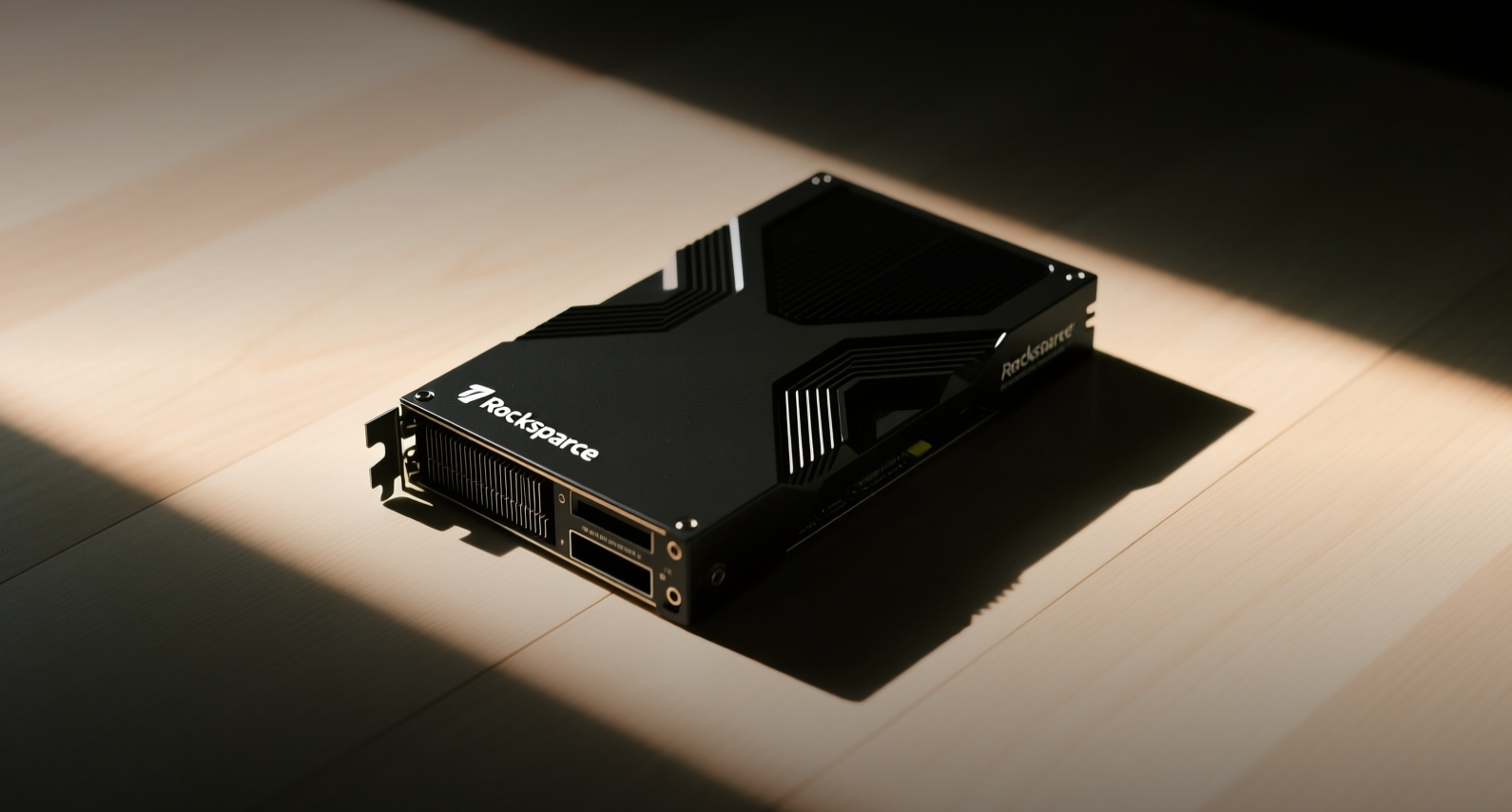
Rackspace Technology cut its 2026 revenue forecast by $150 million and launched a $250 million stock sale to fund an enterprise AI expansion, sending shares down as much as 29%.
"We are investing ahead of revenue to build a new growth engine while focusing on higher-return work," Chief Executive Officer Gajen Kandiah said on a conference call.
The company now expects full-year revenue of $2.45 billion to $2.55 billion, down from a prior range of $2.6 billion to $2.7 billion, with adjusted EBITDA of $285 million to $295 million. Second-quarter revenue of $641 million to $649 million fell short of the $657 million analyst consensus.
The San Antonio-based cloud services provider is exiting low-margin public cloud resale and colocation businesses to redirect capital toward GPU-powered AI deployments, targeting 30 megawatts of capacity by end-2028 that it says could generate $450 million to $600 million in annual revenue at margins above 50%.
Rackspace outlined a multiyear GPU expansion plan anchored by a partnership with Advanced Micro Devices. The first AMD-based deployment, expected to reach nearly 2 megawatts by the end of 2026, carries a capital expenditure of about $75 million. The company aims to scale to 15 megawatts by end-2027 and 30 megawatts by end-2028, with each megawatt expected to generate $15 million to $20 million in average annual revenue and a floor of $10 million for the initial deployment. At full buildout, the AI business could represent roughly a quarter of Rackspace's current annual revenue.
The company also deepened its relationship with Palantir Technologies, signing a definitive operating framework to deploy Palantir Foundry and the Artificial Intelligence Platform in regulated and sovereign markets. Rackspace has trained more than 400 Palantir-certified professionals and completed its first joint deployment — a U.S. solar tracking manufacturer — in 41 days, reducing quote cycle times by 94%. Kandiah said the partnership positions Rackspace as a preferred deployment and operations partner in healthcare, financial services and energy verticals.
Chief Financial Officer Mark Marino said the equity offering is "100% primary" and intended primarily to fund GPU-related growth capital, though he cautioned that new shares would affect per-share metrics before AI revenue materializes. The company also highlighted partnerships with Uniphore for enterprise AI applications, VMware by Broadcom for virtualization and workload portability, and Rubrik for cyber resilience across hybrid and multi-cloud environments. The strategy positions Rackspace against larger rivals such as Amazon Web Services and Microsoft Azure in the managed AI infrastructure market, though at a far smaller scale.
The financial reset reflects a deliberate retreat from lower-margin businesses. Rackspace reduced its public cloud revenue outlook by $125 million to a range of $1.45 billion to $1.5 billion, citing the exit from low-margin infrastructure resale. Private cloud revenue was trimmed by $25 million to $1 billion to $1.05 billion as the company steps away from colocation and basic hosting.
The EBITDA reduction of $20 million captures the near-term mismatch between exiting those revenue streams, investing in AI compute capacity, and costs tied to a previously announced workforce realignment. The updated guidance implies a 7% revenue decline at the midpoint, compared with a prior expectation of a 1% decline. Kandiah described the lowered outlook as "the cost of entry into a larger, higher-margin business," with benefits from new AI deployments expected in 2027.
Rackspace shares closed at $4.67, down 29%, giving the company a market value of roughly $1 billion. The stock has lost more than half its value over the past 12 months as the company navigates a transition from traditional managed hosting to AI infrastructure services. Cloud and AI infrastructure peers including Equinix and Digital Realty did not experience comparable pressure, underscoring that the sell-off was driven by company-specific factors rather than sector-wide headwinds. For investors, the central question is whether Rackspace can execute its AI buildout fast enough to offset the revenue gap — or whether dilution from the stock sale will outpace the returns before the AI business reaches scale.
This article is for informational purposes only and does not constitute investment advice.
