
Key Takeaways: A smartphone smuggled out of North Korea reveals the regime can monitor everything users type and watch, according to a Wall Street Journal examination.
Key Takeaways: A smartphone smuggled out of North Korea reveals the regime can monitor everything users type and watch, according to a Wall Street Journal examination.
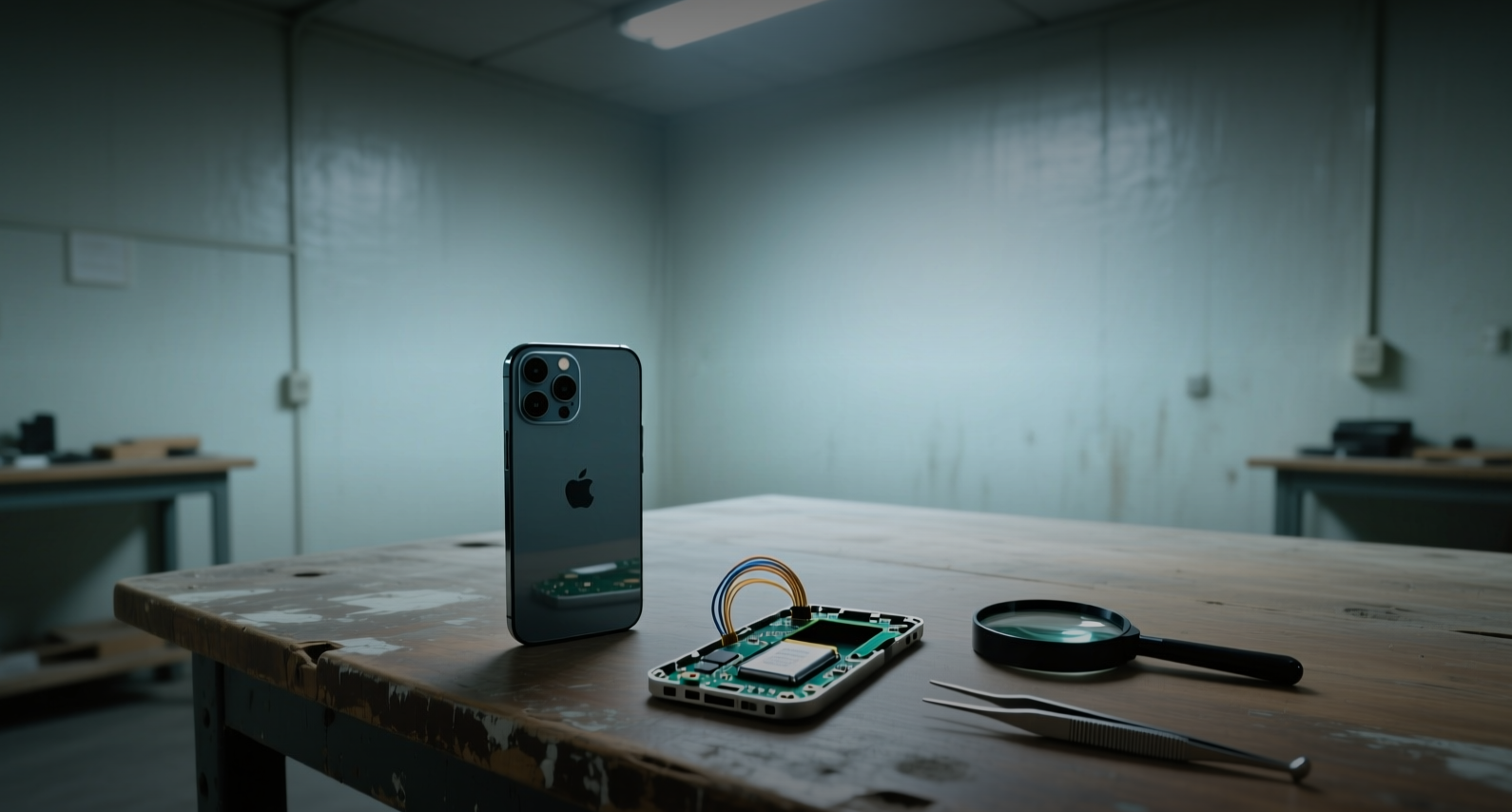
A smartphone smuggled out of North Korea and examined by The Wall Street Journal shows the regime can track every keystroke and viewing choice, exposing how Pyongyang's tightly controlled telecom network doubles as a surveillance tool.
"A look inside the device reveals familiar smartphone functions, but dig a little deeper and it becomes clear that the regime can monitor everything you type and watch," the WSJ report said, based on an examination by Dasl Yoon, a Seoul-based reporter covering Korean Peninsula security, and a former North Korean soldier.
The device's design points to how North Korea's domestic technology sector serves dual civilian and surveillance purposes, with user activity routed back to state authorities. The examination comes as Pyongyang has expanded its cyber operations, which Yoon's reporting has documented as a growing source of regime funding, alongside the deployment of North Korean troops to Russia.
The findings offer governments and companies a rare window into North Korea's data-collection methods as they assess Pyongyang's cyber capabilities. With the regime deepening its reliance on digital revenue streams and foreign military deployments, the phone's architecture suggests surveillance infrastructure is embedded in the consumer devices North Koreans use daily.
The WSJ examination, published by the Seoul-based reporter who was a finalist for the 2025 Livingston Awards, is among the first hands-on looks at a North Korean consumer device outside the country. Yoon's reporting has tracked how Pyongyang's weapons programs and cybertheft operations fund the regime, and she shared in the Overseas Press Club's Hal Boyle Award for coverage of North Korean troops deployed to Russia.
The phone's surveillance functions mirror a broader pattern in North Korea's state-controlled digital economy, where connectivity is granted on the condition that activity remains visible to authorities. South Korea, which hosts the WSJ's Seoul bureau and monitors North Korean activity across the heavily fortified border, has documented how Pyongyang restricts and monitors its citizens' access to outside information.
For foreign governments and cybersecurity firms, the device offers concrete evidence of how North Korea builds monitoring into consumer hardware, a finding that could inform assessments of Pyongyang's broader cyber operations. The regime has used digital channels to steal funds and conduct espionage, and the phone's architecture shows the same data-collection logic applied domestically.
The disclosure also carries implications for how North Korea manages its population's access to technology. As Pyongyang expands its domestic mobile network, the phone suggests the regime pairs connectivity with surveillance, a trade-off that keeps users within the state's information perimeter. For South Korean and allied intelligence agencies tracking North Korean digital activity, the device provides a reference point for how Pyongyang's consumer technology and espionage infrastructure overlap.
This article is for informational purposes only and does not constitute investment advice.
