
Japanese equities dropped 2.2% as renewed US-Iran military exchanges pushed crude higher, with chip stocks leading the selloff.
Japanese equities dropped 2.2% as renewed US-Iran military exchanges pushed crude higher, with chip stocks leading the selloff.
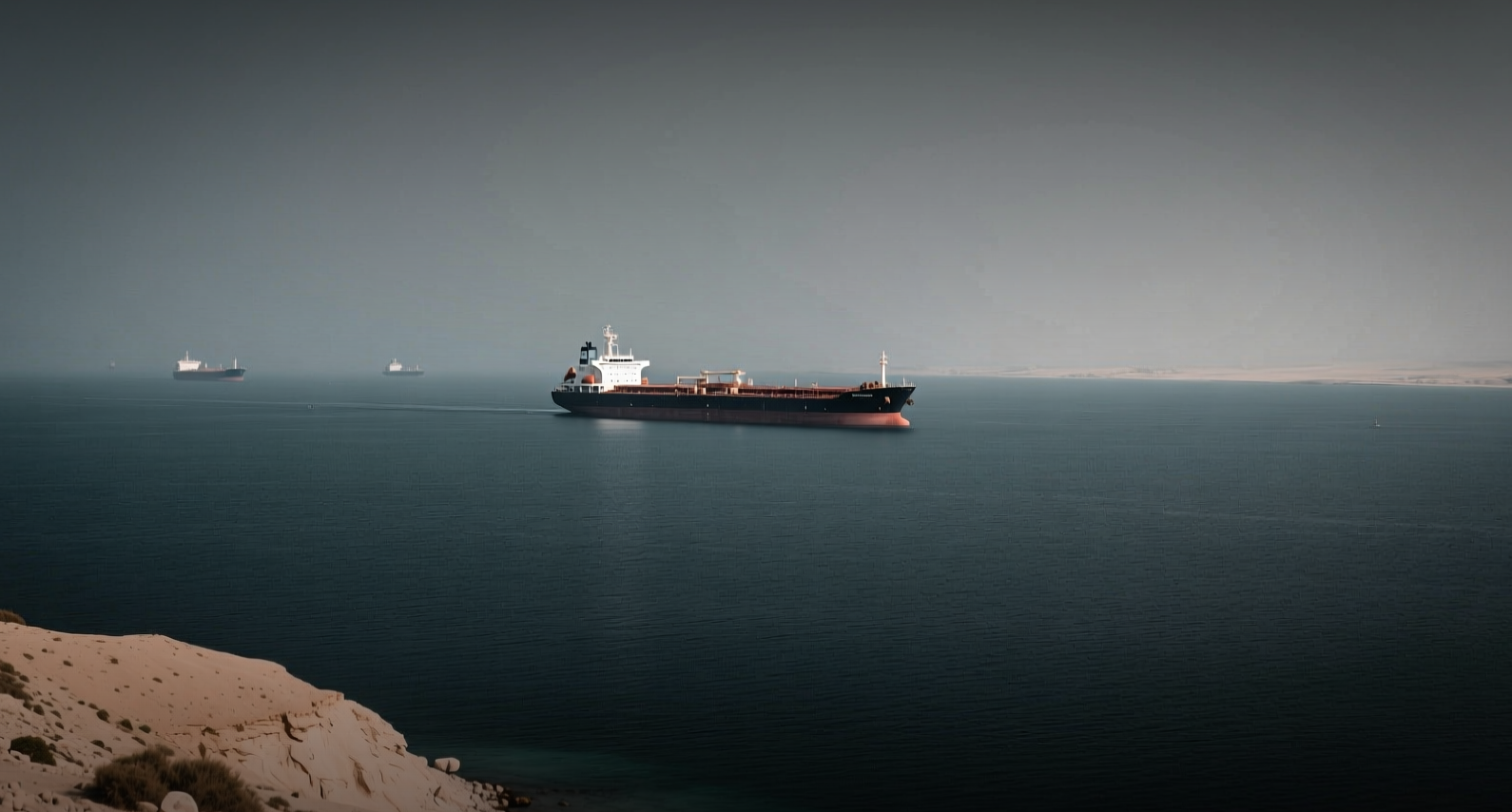
The Nikkei Stock Average fell 2.2% to 64,742.17 after the US and Iran exchanged fire Tuesday, sending Brent crude up 4.6% to $94.65 a barrel.
"The biggest threat is to the AI-related names because higher oil is pushing up bond yields," said Simon Lack, a portfolio manager at Catalyst Energy Infrastructure Fund. "This increases the discount rate used to value the future cashflows of these high growth companies, depressing their net asset value and stock price."
Chip-related stocks led the decline. SoftBank Group fell 4.1%, Advantest dropped 4.0% and Tokyo Electron slid 4.5%. The dollar strengthened to 160.19 yen from 159.94 at Tuesday's Tokyo close, adding pressure on Japanese asset pricing. US crude climbed 5.2% to settle at $90.22 per barrel, the first close above $90 in more than a month.
The selloff tracks a broader global equity decline. The S&P 500 fell 0.7% to 7,631.47, the Dow dropped 0.8% to 52,766.88 and the Nasdaq slid 1% to 26,099.77. The 10-year Treasury yield rose to 4.79% from 4.75%, as investors demanded higher returns on government debt that has surpassed $40 trillion.
The Strait of Hormuz, through which one-fifth of the world's oil was shipped before the war began in February, remains largely closed to commercial traffic. Iran has carried out at least 172 attacks on nonmilitary infrastructure across Gulf Cooperation Council countries since the conflict started, with oil and gas facilities accounting for nearly half of all strikes, according to the Armed Conflict Location and Event Data project.
Higher energy costs are rippling through corporate margins. Toyota, the world's largest carmaker, said last week its global sales fell almost 5 percent in July — the sixth straight month of decline — after warning earlier this year that the conflict would cost it $4.3 billion. The war has also pushed up costs for aluminium, plastics and paint used in manufacturing.
For Japanese chipmakers, the geopolitical exposure compounds supply chain risk. The sector's sensitivity to energy costs and global demand makes it a primary channel for the conflict's transmission into the Nikkei. Investors are watching crude oil prices and Middle East developments for signs of whether the escalation persists, with the market heading into a historically weak stretch from August through October.
The yen's slide past 160 per dollar adds another layer of uncertainty. A weaker currency boosts exporter earnings but raises import costs for energy and raw materials, squeezing margins for manufacturers already facing higher input prices. The Bank of Japan faces growing pressure to address the currency's decline, which could complicate its monetary policy stance.
This article is for informational purposes only and does not constitute investment advice.
