

Nebius Group NV is betting that specialized AI factories — not general-purpose cloud — will solve the power and computing bottlenecks throttling artificial intelligence expansion.
Nebius Group NV is betting that specialized AI factories — not general-purpose cloud — will solve the power and computing bottlenecks throttling artificial intelligence expansion.
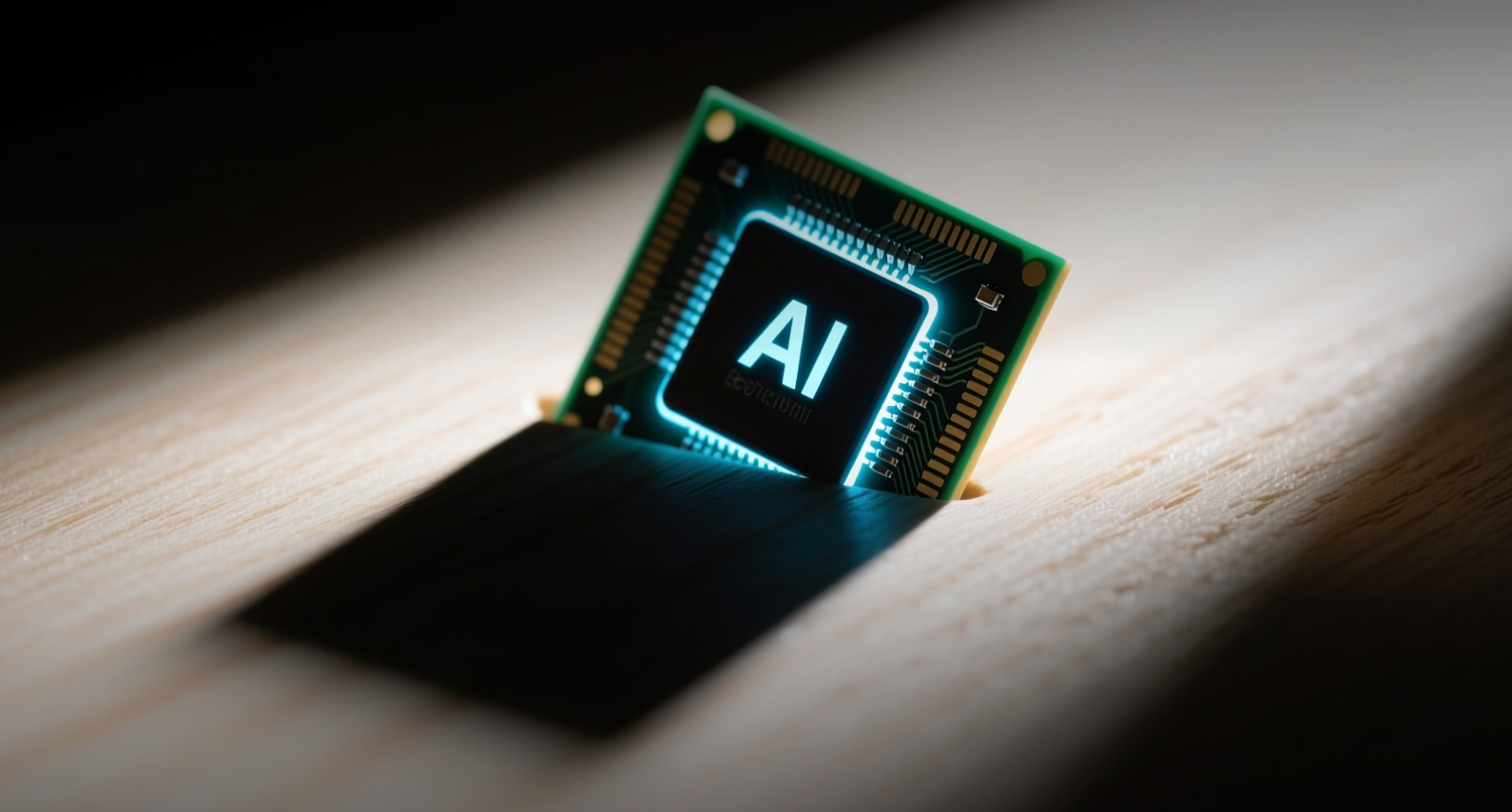
Nebius Group NV is betting that specialized AI factories — not general-purpose cloud — will solve the power and computing bottlenecks throttling artificial intelligence expansion.
Nebius Group NV, the AI infrastructure company backed by Nvidia Corp., saw its shares fall 14% on Friday as investors weighed the capital intensity of building specialized AI factories against a long-term thesis tied to power and computing bottlenecks.
"The industry has reached a point where general-purpose cloud architecture cannot efficiently support the density and cooling requirements of AI workloads," Nebius Chief Executive Officer Arkady Volozh said during a recent investor presentation.
Nvidia disclosed a 9.3% stake in Nebius earlier this week, sending shares up 18% on July 21 to lead gainers in the Nasdaq 100. Baird initiated coverage with an Outperform rating and a $250 price target, citing the company's differentiated approach. The stock has since reversed those gains, closing near $215 on Friday.
The selloff highlights a central tension in the AI infrastructure trade: hyperscalers and specialized builders are racing to deploy tens of billions of dollars in capacity, but investors are beginning to question when that spending will translate into returns.
Nebius is designing data centers purpose-built for AI training and inference, addressing four critical bottlenecks: power availability, cooling density, network latency, and usable computing capacity. Unlike traditional cloud providers that serve general-purpose workloads, Nebius configures its facilities around high-power GPU clusters, liquid cooling systems, and direct fiber connections to reduce latency between compute nodes. A single AI training cluster can consume 30 to 50 megawatts of power — enough to run roughly 30,000 to 50,000 homes — requiring dedicated substations and on-site backup generation.
The company's strategy positions it against the three dominant hyperscalers — Amazon Web Services, Microsoft Azure, and Google Cloud — which collectively control more than 60% of the cloud infrastructure market, according to Synergy Research Group. While those companies invest in AI-specific instances, their architectures remain optimized for multi-tenant, general-purpose workloads. Nebius's bet is that AI workloads will demand enough specialization to justify a separate infrastructure layer.
Nvidia's Stake Validates the Thesis
Nvidia's 9.3% ownership stake, disclosed in a 13G filing on July 21, provides both capital and credibility. The GPU maker has a direct interest in ensuring sufficient AI-dedicated compute capacity exists to sustain demand for its chips, which command gross margins above 70%. Nebius, by building factories specifically for Nvidia's hardware, becomes a natural channel partner for deploying H100 and Blackwell GPU clusters at scale.
Baird analyst Tristan Gerra, who initiated coverage with a $250 target, said Nebius's focus on "AI-dedicated infrastructure" differentiates it from cloud providers that must balance AI workloads with traditional enterprise computing. The $250 target implies roughly 16% upside from Friday's close. Susquehanna analysts have maintained a Positive rating on AI infrastructure plays broadly, noting that power demand from data centers and electrification continues to accelerate.
The Risk: Capital Intensity and Timing
Building specialized AI factories requires significant upfront investment. Nebius has not disclosed its total capital expenditure plans, but comparable projects from hyperscalers run into the billions per facility. Microsoft, for example, has committed more than $50 billion in annual AI infrastructure spending. The company's ability to secure financing, obtain power permits, and bring capacity online before competitors will determine whether it captures the opportunity or gets squeezed by larger players with deeper pockets.
For investors, the question is whether Nebius can execute fast enough to justify its valuation before the hyperscalers replicate its approach. Nvidia's backing provides a buffer, but the 14% drop on Friday suggests the market is pricing in execution risk. With AI infrastructure spending expected to contribute nearly 60% of S&P 500 earnings-per-share growth in the second quarter, according to Bloomberg Intelligence, the stakes for specialized builders like Nebius have never been higher.
This article is for informational purposes only and does not constitute investment advice.
