

Metaplanet CEO Simon Gerovich told Bitcoin Asia 2026 that forced selling has ended and Asia's untapped savings pool will power Bitcoin's next cycle.
Metaplanet CEO Simon Gerovich told Bitcoin Asia 2026 that forced selling has ended and Asia's untapped savings pool will power Bitcoin's next cycle.
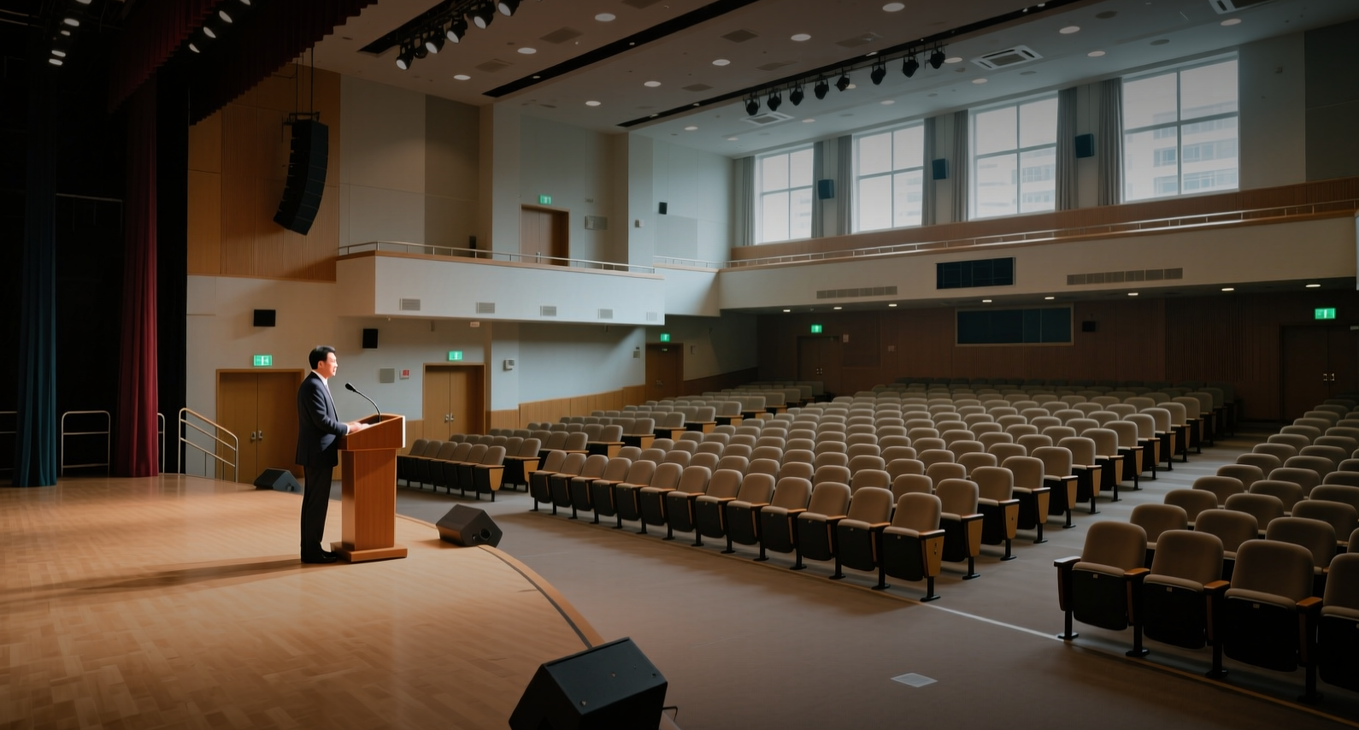
Bitcoin has bottomed after a 50 percent drawdown, with Asia's $14 trillion savings pool set to drive the next cycle, Metaplanet CEO Simon Gerovich said.
"This year's sellers sold because they had to. The buyers arriving now aren't going anywhere," Gerovich said at Bitcoin Asia 2026 in Hong Kong on Aug. 29. "I believe the bottom is in, and I'm expecting a much brighter rest of the year."
Metaplanet accumulated Bitcoin through the downturn, growing its treasury to 43,000 BTC and becoming the largest publicly traded corporate holder in Asia. Gerovich noted Japanese households hold roughly $14 trillion in financial assets, with about half sitting in bank deposits earning little return. In the US, cash represents about 13 percent of household wealth, he said. Only 20 Asian public companies currently hold Bitcoin, with combined holdings representing less than a tenth of Strategy's position.
That gap between Asia's savings and its corporate Bitcoin adoption represents the next growth engine, Gerovich argued. He expects regulated custody, lending, and trading infrastructure to emerge across Hong Kong, Seoul, and Singapore, allowing Asian institutions to build their own Bitcoin ecosystem rather than follow the US.
The Savings Gap as Fuel
Gerovich said the investment environment across Asia is shifting as inflation returns, the yen weakens, and regulators in Japan, Hong Kong, and Singapore establish clearer rules for digital assets. He pointed to the region's underdeveloped corporate Bitcoin adoption as a structural opportunity rather than a weakness.
"The opportunity isn't simply that Bitcoin goes up. Anyone in this room can buy Bitcoin. The opportunity is that most of Asia's capital cannot," Gerovich said.
He expects the next phase of adoption to depend on regulated financial infrastructure, including custody, lending, and trading products designed for local markets. Rather than following the US, he said Asian companies and investors will develop their own Bitcoin ecosystem around local currencies and regulations.
"The next cycle doesn't need Asia to follow anyone. It needs Asian companies, Asian institutions, and Asian savers to lead at home in their own currency and under their own rules," Gerovich said.
On Aug. 31, Gerovich reinforced his long-term stance on X, responding to a user weighing profit-taking strategies: "Bitcoin is not something you sell."
The comments come as Metaplanet's strategy has transformed the former hotel and technology business into Asia's largest corporate Bitcoin holder. If Gerovich's thesis holds, the region's savings pool — roughly $14 trillion in Japan alone — could provide a structural bid for Bitcoin that extends beyond the current cycle.
This article is for informational purposes only and does not constitute investment advice.
