

Lucid Group's recall of 27,185 Air sedans over a fire risk tests the EV maker's software-first approach to safety at a critical growth stage.
Lucid Group's recall of 27,185 Air sedans over a fire risk tests the EV maker's software-first approach to safety at a critical growth stage.
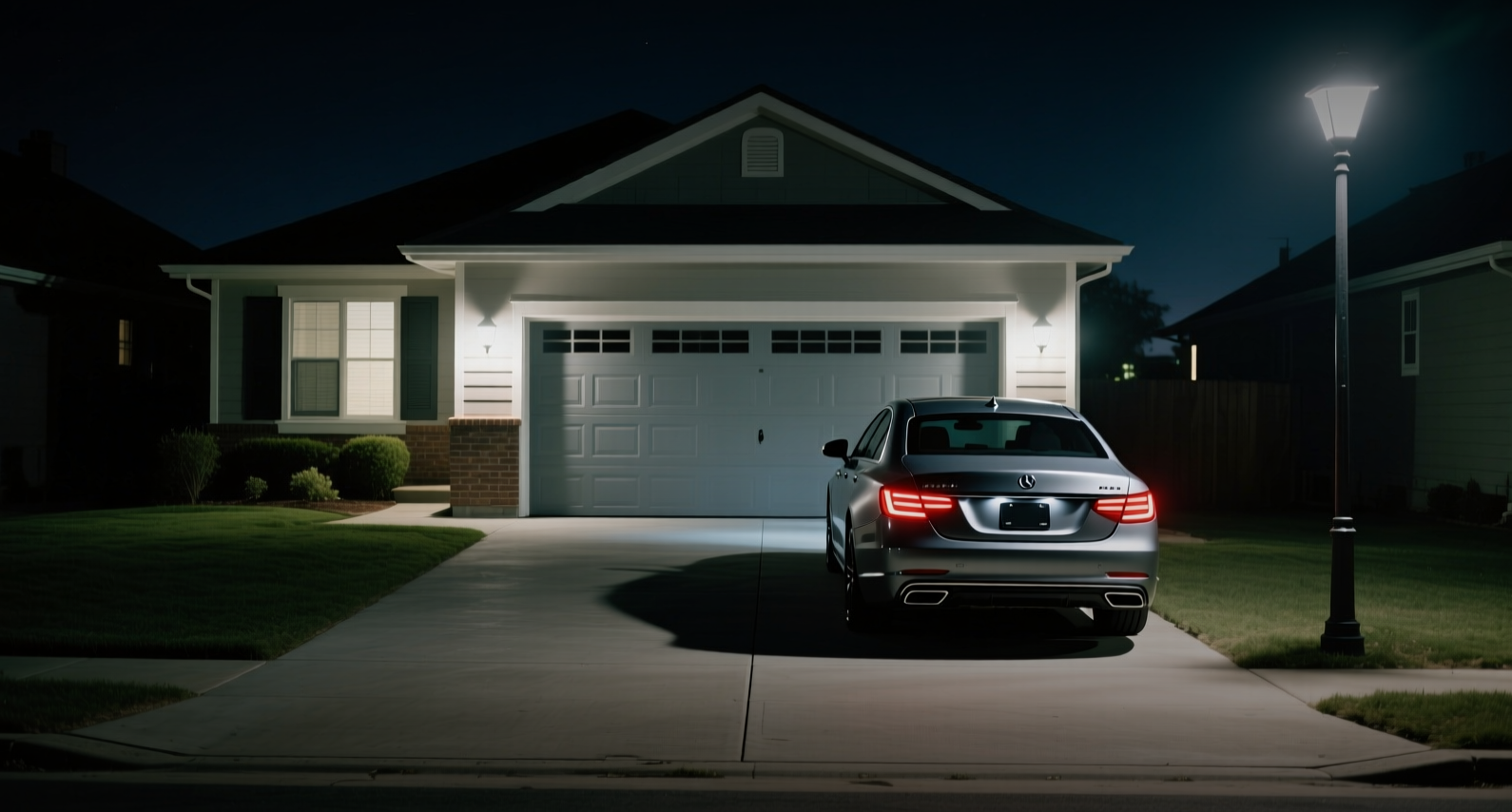
Lucid Group recalled 27,185 Air luxury sedans in the U.S. after regulators flagged a fire risk from an exterior lighting circuit, putting the EV maker's safety record under scrutiny as it scales production.
"NHTSA advised affected owners to park their vehicles outside and away from structures until the issue has been addressed," the National Highway Traffic Safety Administration said in its recall notice published Friday.
The recall covers 2022-2026 model year Air vehicles in which the exterior lighting circuit may have insufficient overcurrent protection, allowing the circuit to overheat. Lucid has released an over-the-air software update to resolve the problem, enabling the company to fix affected vehicles remotely without requiring dealership visits.
Lucid shares traded at $5.09 on Friday, up 2.8 percent, giving the company a market capitalization of roughly $2 billion. The recall arrives as the Newark, California-based EV maker competes with Tesla and Rivian in the luxury electric sedan segment, where safety perception directly influences purchase decisions.
The software-based remedy distinguishes this recall from traditional safety campaigns that require physical repairs. Lucid's software-defined vehicle architecture allows the company to patch the lighting circuit's overcurrent protection logic without owners visiting a service center, a capability Tesla pioneered and other EV manufacturers are adopting across their fleets.
The recall's scope is notable relative to Lucid's production scale. The company reported 66.5 percent year-over-year revenue growth in its most recent quarter, but it remains loss-making as it ramps the Gravity SUV alongside the Air sedan. A recall touching 27,185 vehicles represents a substantial portion of the company's cumulative deliveries since the Air launched in late 2021.
The recall also highlights a broader tension in the EV industry: automakers are pushing software-defined architectures that enable remote fixes, but regulators and consumers still expect traditional safety accountability. Lucid's ability to resolve this issue without physical repairs demonstrates the advantages of its approach, yet the company must now convince regulators and buyers that its quality control processes are strong enough to prevent similar issues from recurring.
Lucid's position in the luxury EV market adds another layer of complexity. The Air sedan competes directly with Tesla's Model S and the Mercedes-Benz EQS, both of which have established safety records. Rivian, which targets the adventure SUV segment rather than sedans, has also faced recalls but has maintained customer confidence through transparent communication. For Lucid, the recall's timing is particularly sensitive: the company is preparing to scale the Gravity SUV, its second model, and needs to preserve brand trust to drive order conversion.
For investors, the recall carries both direct and indirect costs. Direct costs include potential warranty claims and regulatory compliance expenses, though the over-the-air fix minimizes physical repair costs. Indirect costs may prove more significant: a fire-risk recall at a young luxury brand could slow order momentum in a segment where buyers weigh safety records heavily. Lucid's stock carries a short interest of 14.9 percent, indicating substantial bearish positioning that could push the stock lower if negative sentiment builds.
The broader EV sector has faced increased scrutiny over electrical system safety. Tesla has issued multiple recalls for software-related issues, while General Motors recalled Chevrolet Bolt EVs over battery fire risks in 2021. Lucid's over-the-air approach to this recall may help contain costs, but the reputational impact on a brand still establishing itself in the luxury market remains to be seen. The company's next quarterly earnings report will offer investors a clearer picture of whether the recall has affected order flow and delivery momentum. For now, the stock's modest gain on Friday suggests the market is treating this as a manageable event, though the 14.9 percent short interest leaves little room for error if sentiment shifts.
This article is for informational purposes only and does not constitute investment advice.
