
Japan's record ¥15.4 trillion intervention bought the yen only a brief reprieve, with the currency stuck near 159.50 as rate differentials reassert control.
Japan's record ¥15.4 trillion intervention bought the yen only a brief reprieve, with the currency stuck near 159.50 as rate differentials reassert control.
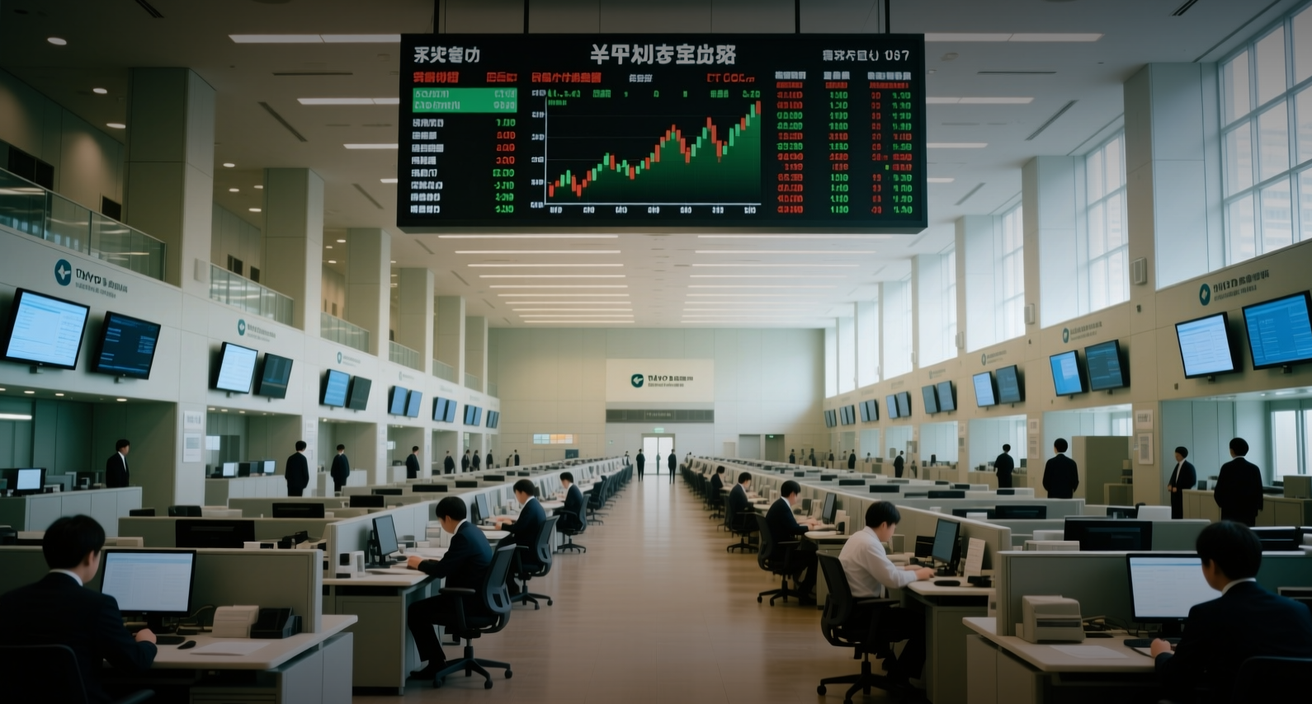
Japan spent a record ¥15.4 trillion ($96.5 billion) defending the yen last month, yet the currency has surrendered most gains, settling near 159.50 as slow Bank of Japan tightening keeps rate differentials wide.
U.S. Treasury Secretary Scott Bessent said Washington will do "whatever it takes" to support Tokyo's effort to stabilize the yen, calling its substantial undervaluation a risk that could trigger competitive devaluations elsewhere.
Finance Ministry data covering July 30 to August 26 showed the intervention included rare joint action with the United States and South Korea, as the yen plumbed four-decade lows near 164 per dollar. The currency shot to as strong as 155.20 by Aug. 3 before stabilizing around 159.50, where it has been stuck since Aug. 10. BOJ data suggest the July 30 operation alone may have reached ¥9.6 trillion, far surpassing the previous daily record of ¥6.3 trillion set April 30.
The scale reflects Tokyo's resolve to defend the currency, with weakness threatening exporter profits and pushing up import costs for a nation that sources 95 percent of its energy from the Middle East, exposing it to supply disruption from the Iran war. Markets now assign 65 percent odds of a BOJ rate hike at the next meeting in September, a move that would narrow the yield gap that has fueled yen selling.
The ¥15.4 trillion total eclipses the previous monthly record and marks the most aggressive defense of the yen in decades. The July 30-31 operations came as the currency neared 164 per dollar, its weakest in 40 years. The Bank of Korea timed its own won-buying intervention with Japan's to reinforce the effect, South Korean officials said at the time.
To convince markets of Japan's continued capacity for large-scale intervention, Washington has said Tokyo could use a COVID-era Federal Reserve backstop that allows Japan to raise dollar liquidity without outright sales of U.S. Treasuries. The facility, introduced in 2020 to steady markets during the pandemic, gives Tokyo a tool to fund intervention without depleting its Treasury holdings — a signal of how far the U.S. is willing to go to back its ally's currency defense.
The BOJ held rates steady at its July meeting, although policymakers have indicated a willingness to step up the pace of tightening. The relatively slow pace has kept Japan's interest rates low compared with markets such as the U.S., encouraging investors to continue funding global trades with cheap yen — the carry trade that intervention is designed to unwind.
The last time the BOJ intervened at this scale, in late April, the yen's gains also faded within weeks as rate differentials reasserted control. If the BOJ delivers the hike markets price at 65 percent odds in September, the yen could find firmer footing; if it holds again, the currency risks sliding back toward the 164 level that triggered the intervention.
A firmer yen would ripple through global markets, squeezing the carry trades that have funded positions in everything from U.S. equities to emerging-market debt. A renewed slide, by contrast, would keep pressure on Tokyo to intervene again — and test whether Washington's pledge of support extends to another record outlay. For Japanese exporters, each yen of weakness adds to profit, but for the government the cost of defending the currency is mounting with no end to the rate gap in sight.
This article is for informational purposes only and does not constitute investment advice.
