
Washington's push to isolate Iran economically is colliding with Beijing's refusal to join, even as crude climbs to three-week highs.
Washington's push to isolate Iran economically is colliding with Beijing's refusal to join, even as crude climbs to three-week highs.
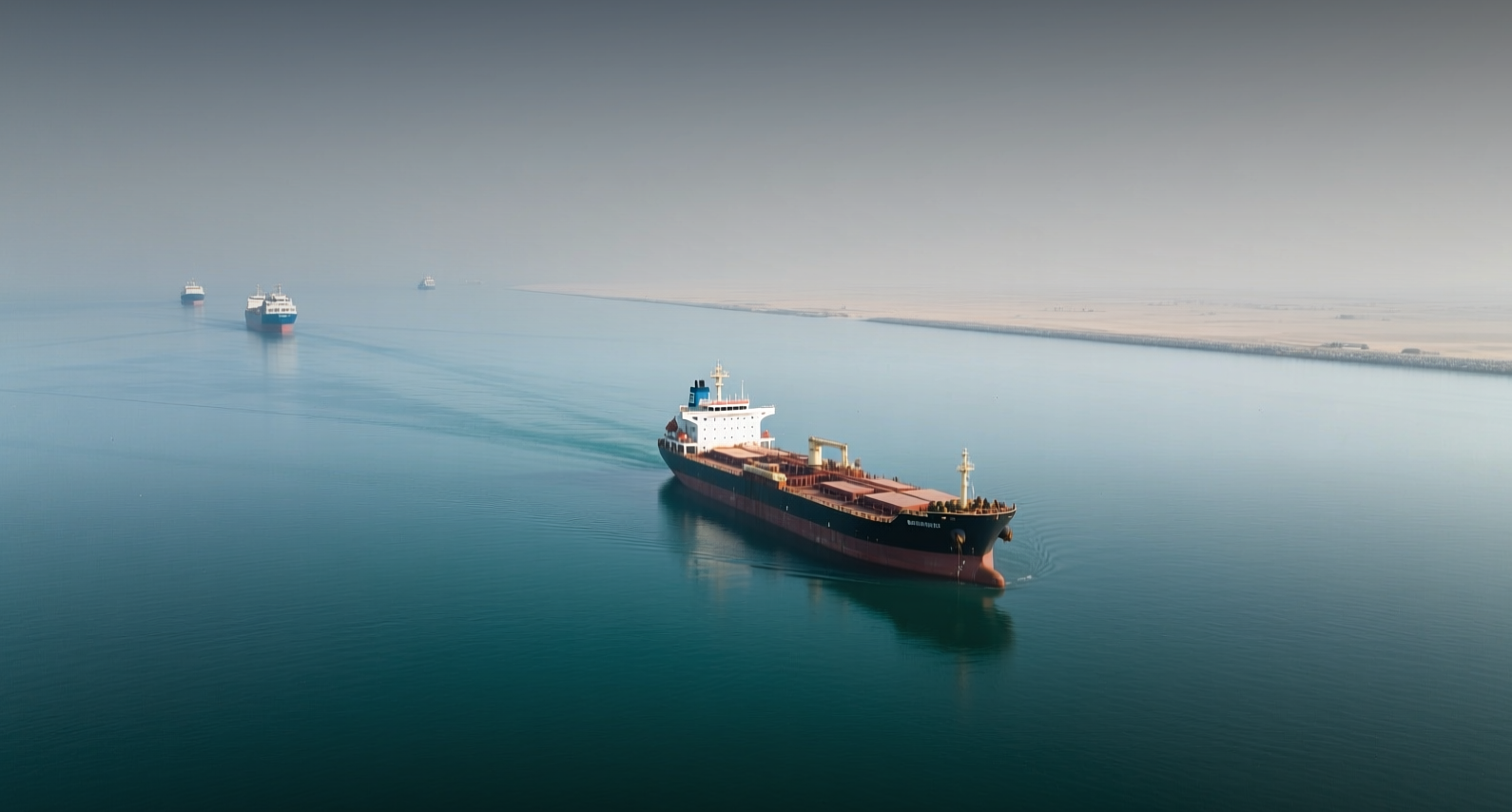
US Treasury Secretary Scott Bessent said Washington will impose "the toughest sanctions in history" on Iran, urging China to cooperate, while Beijing rejected the pressure campaign and oil climbed to three-week highs.
"It is a one-two punch. We have the blockade (on Iran), and we are going to have the toughest sanctions in history," Bessent told CNBC. "It is going to work in Iran and we are going to collapse this regime."
Oil prices climbed to more than three-week highs on Thursday as traders weighed the escalation. Bessent said markets were misreading the campaign, arguing maximum economic pressure reduces the odds of a large-scale military restart. China buys more than 80 percent of Iran's shipped oil, according to 2025 data from analytics firm Kpler, and draws about half its energy from inside the Gulf.
The standoff centers on the Strait of Hormuz, which carried roughly one-fifth of internationally traded oil before the war began nearly six months ago. Two ceasefire agreements announced in April and June aimed at restoring shipping through the strait have both broken down, leaving global supply exposed to further disruption.
China's Foreign Ministry spokesperson Lin Jian said Friday that Beijing opposes illegal unilateral sanctions lacking UN Security Council authorization, and that military means and sanctions pressure do not help resolve problems. The Chinese embassy in Washington earlier said sanctions would not settle the dispute and urged all sides to act responsibly. Bessent declined to say whether the US would target Chinese buyers, noting some conversations were best held in private.
The stakes for Washington are high: if the US pressures China over its purchases, Beijing could retaliate in areas where it holds leverage, including rare-earth minerals that are vital to US manufacturing. That risk helps explain why Bessent framed the appeal to China as a matter of shared interest — noting Beijing draws half its energy from inside the Gulf — rather than a direct threat.
Iran has rejected the escalation. Foreign Minister Abbas Araqchi said the latest US action is "doomed to fail," pointing to similar threats over the past 14 years — "the toughest sanctions in history" a decade ago, "maximum pressure" eight years ago, and an "unconditional surrender" demand five months ago. "We've seen this show before, the same lies, just a different group of bullies," he said.
President Masoud Pezeshkian struck a more conciliatory note, saying "now is a better time to end the war" while insisting Iran negotiates from a position of "strength and dignity." The dual message — refusing to capitulate while keeping diplomacy open — has defined Tehran's posture since the conflict began.
Iran's naval commander, Shahram Irani, said the country has "full control" of the sea east of the Strait of Hormuz and the Gulf of Oman, warning of a "historic lesson" for enemies at sea. The military rhetoric keeps the strait as leverage even as Tehran continues talks with Oman on restoring shipping. Araqchi said Aug. 8 that negotiations with Oman were "close" to an agreement on a temporary route, though reopening the strait depends on other conditions.
Bessent is expected to detail the new sanctions package at a press conference Monday. For energy markets, the Strait of Hormuz remains the critical variable: roughly one-fifth of internationally traded oil transited the strait before the war, and its continued disruption keeps a risk premium embedded in crude. Whether Oman-mediated talks can restore shipping — and whether US sanctions can force Tehran to the table — will determine the next leg for oil. Iran has weathered punishing sanctions for nearly 50 years, since the Islamic Revolution of 1979, a record that suggests economic pressure alone may not deliver the collapse Bessent predicts.
This article is for informational purposes only and does not constitute investment advice.
