
Iran's defense production capacity has doubled in a year, a senior official said, as Washington escalates its economic campaign against Tehran.
Iran's defense production capacity has doubled in a year, a senior official said, as Washington escalates its economic campaign against Tehran.
Iran's defense equipment and weapons production capacity has doubled over the past year despite strikes on some industrial facilities, Defense Ministry spokesman Reza Talaei-Nik said, as the US intensifies an economic campaign that now threatens sanctions on Tehran's major trading partners.
"This fight-while-producing model has made the defense industry one of the pillars of the armed forces' defense system," Talaei-Nik told Iranian state television on August 21, in remarks carried by CCTV. The simultaneous production approach lets Iran replenish weapons consumed on the battlefield while sustaining output, he said.
The expansion comes as President Donald Trump's administration escalates pressure on Iran's economy. Trump on August 19 described the campaign as "economic warfare" and threatened consequences for countries that continue supporting Tehran. Iran's Foreign Ministry spokesman Esmail Baghaei rejected the move, saying secondary sanctions violate the UN Charter and risk a "return to classical colonialism on a large scale."
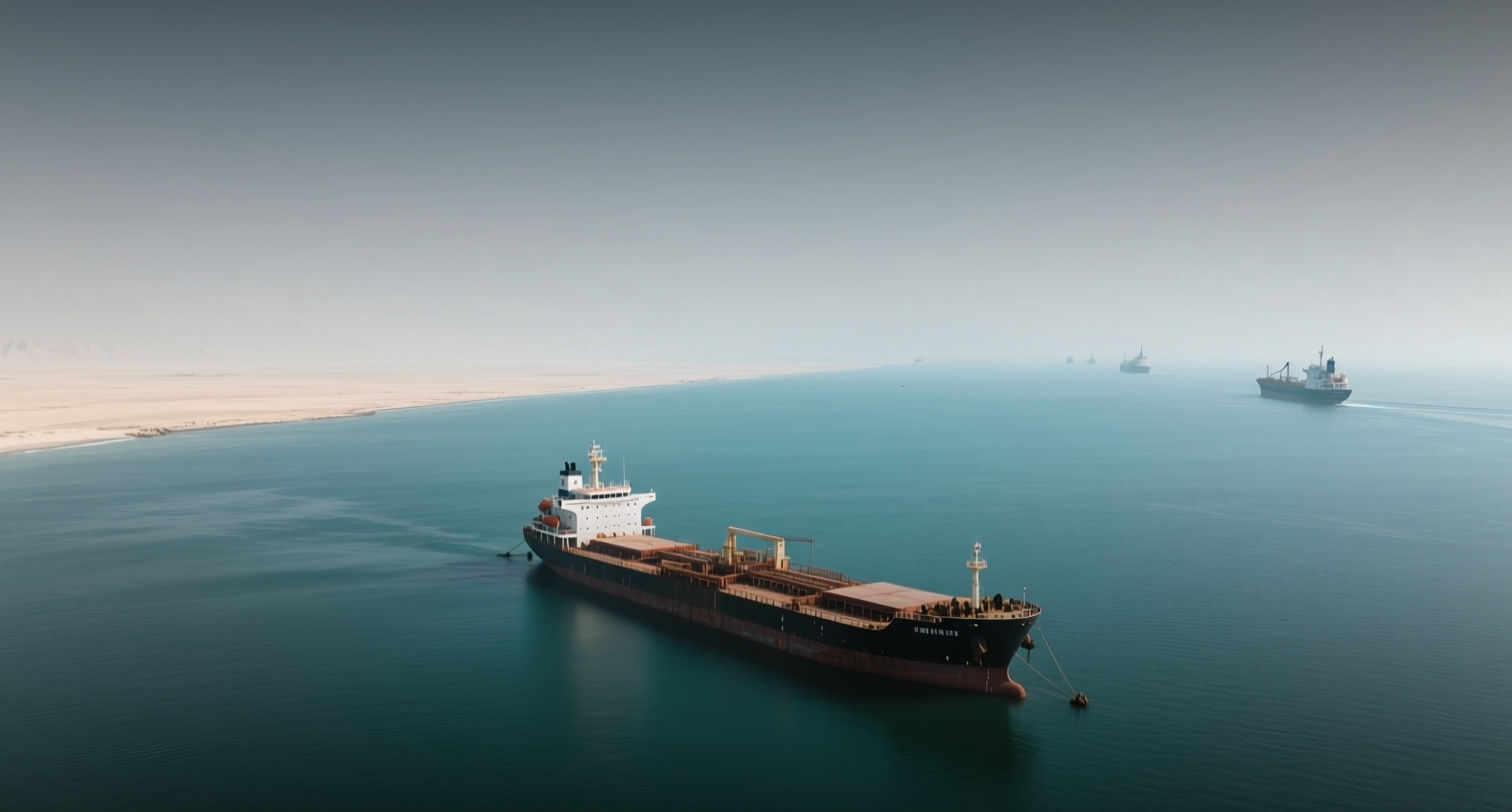
The capacity build-up strengthens Iran's ability to sustain a prolonged confrontation, potentially extending the Strait of Hormuz blockade that has disrupted global oil flows. Iran has held the strait since the war began, and Trump has called the waterway "as American territory at this moment." The blockade has pushed Brent crude above $87 a barrel, while gold has climbed to record highs as investors hedge geopolitical risk.
Defense output as a strategic pillar
Iran's defense industrial base has absorbed repeated strikes on facilities since the conflict escalated. Talaei-Nik's comments mark the first official confirmation that output has doubled despite those attacks, showing that Tehran's military supply chain remains intact. The doubling covers defense equipment and weapons across the armed forces, he said.
The announcement carries direct implications for the regional balance. Iran's missile arsenal already extends across the Middle East, with analysts noting Tehran could target US bases in Europe if Trump chooses further escalation. The expanded production capacity suggests Iran can sustain attrition warfare longer than previously assessed, a factor that could shape the trajectory of the conflict and the duration of the Hormuz disruption.
Sanctions pressure on trade partners
Washington's economic campaign now targets the countries that keep Iran's economy afloat. China buys more than 80 percent of Iran's shipped crude, averaging 1.38 million barrels per day in 2025, according to commodity data firm Kpler. The UAE supplied about 30 percent of Iran's imports in 2024, worth $21 billion, before suspending financial and economic transactions with Tehran this week. Iraq pays Iran $4-5 billion a year for natural gas used to generate electricity, while Turkey's bilateral commerce runs about $5-6 billion annually.
The last time Washington imposed sweeping secondary sanctions on Iran's oil buyers, in 2020, India's two-way trade with Tehran contracted by more than two-thirds to about $4.8 billion. A repeat of that pattern across China, Turkey and Iraq would deepen the economic pressure that Iran's expanded defense output is designed to withstand.
For markets, the key question is whether Iran's production capacity translates into a longer blockade. If Tehran can sustain military operations while rebuilding weapons, the Hormuz disruption could persist into 2027, keeping oil prices elevated and defense-sector equities supported. If diplomatic talks — which Trump has said are possible — succeed, the risk premium could unwind quickly, pressuring crude and gold.
This article is for informational purposes only and does not constitute investment advice.
