
Intel Foundry's deal to build Fortinet's Security Processor 6 gives CEO Lip-Bu Tan his first named outside customer — a foothold in cybersecurity chips that could erode TSMC's 72% foundry share.
Intel Foundry's deal to build Fortinet's Security Processor 6 gives CEO Lip-Bu Tan his first named outside customer — a foothold in cybersecurity chips that could erode TSMC's 72% foundry share.
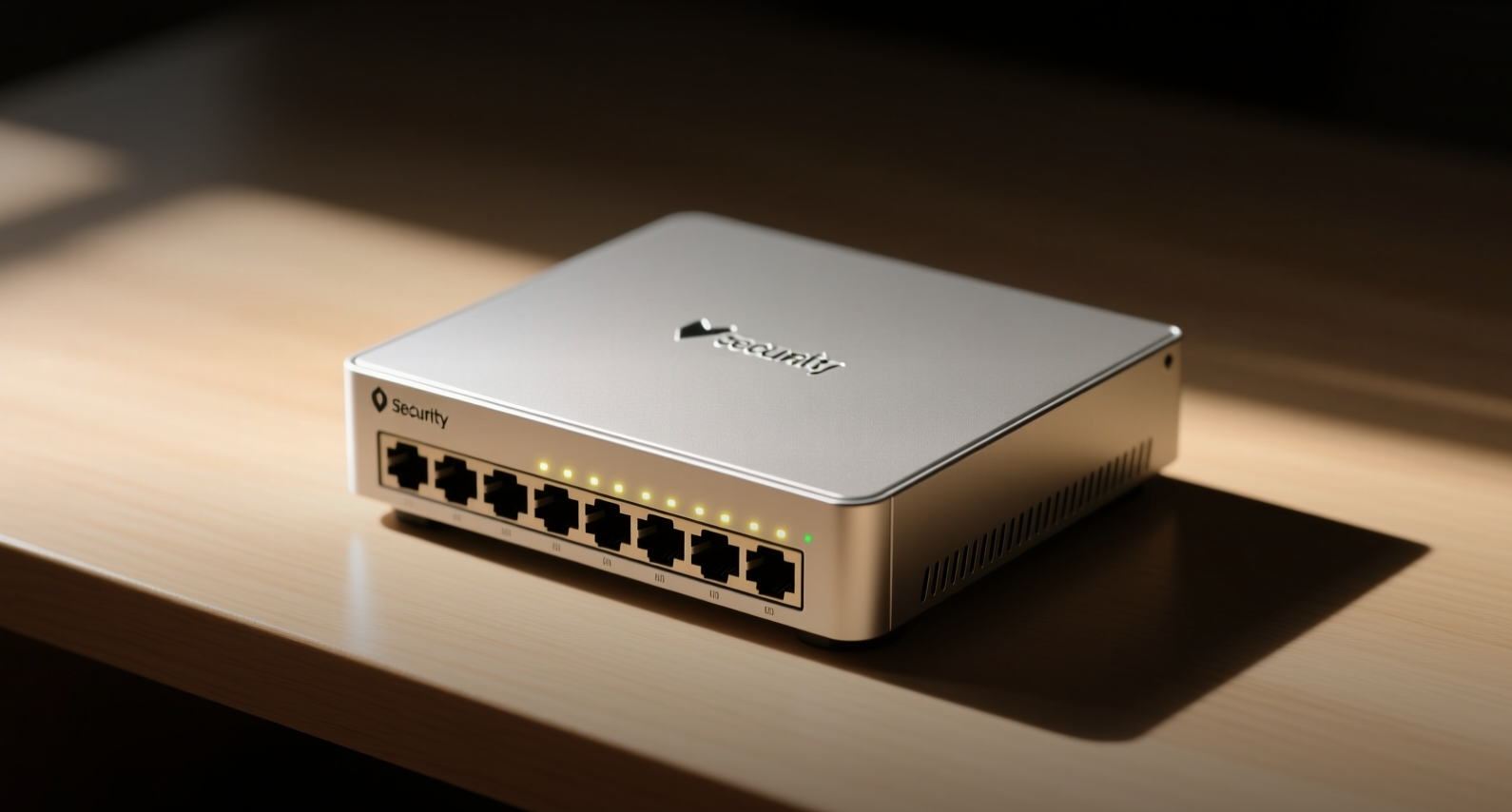
Intel Foundry will manufacture Fortinet's Security Processor 6, the first named outside customer under CEO Lip-Bu Tan, as the chipmaker presses its challenge to Taiwan Semiconductor Manufacturing Co.'s dominance of the foundry market.
TSMC controls 72% of global foundry output, according to TrendForce, a concentration the Fortinet win directly confronts. The deal also hands Intel a named customer in cybersecurity ASICs (application-specific integrated circuits) — a niche where design wins can compound as security vendors seek alternatives to a single dominant supplier.
Under the agreement, Fortinet supplies the front-end design and architecture for the Security Processor 6, which powers its FortiGate firewall line. Intel handles the back-end design, advanced packaging, and manufacturing on its Intel 4 process node — a 4-nanometer-class node Intel has positioned as a workhorse for mid-range products. Intel Foundry generated $5.8 billion of Intel's $16.1 billion second-quarter revenue, with unit revenue up 31% — above the company's 25% internal target.
The win could pull other cybersecurity vendors toward Intel as a manufacturing partner, building a niche that further pressures TSMC. Yet Intel shares, up roughly 400% over the past year to about $101.65 with a market value near $513 billion, trade at 66 times forward earnings — a valuation that may already price in the foundry turnaround.
Why the Fortinet win matters to the foundry race
Intel's foundry push has leaned on advanced-node bragging rights, but the Fortinet deal shows the business can win on specialized, lower-volume chips too. Cybersecurity processors are application-specific, built for a single workload rather than general-purpose computing, which makes them a fit for a foundry looking to prove reliability without competing head-on with TSMC's leading-edge capacity. Samsung Foundry and TSMC both court the same security-chip customers, so a named win gives Intel a reference point to pitch others.
The security-chip market is also expanding as enterprises and governments harden network infrastructure against breaches. Fortinet's FortiGate line anchors a firewall business that competes with Palo Alto Networks and Cisco, and the processor inside those appliances must balance throughput, encryption, and power efficiency. A foundry that can deliver on those requirements — and keep supply chains onshore — has a credible pitch to a security industry increasingly wary of single-source manufacturing.
The valuation question
For investors, the question is whether the deal moves Intel's numbers. Foundry revenue of $5.8 billion in the quarter grew 31% year over year, outpacing the company's 25% target, and the Fortinet agreement adds a marquee name to that pipeline. But Intel's forward price-to-earnings ratio of 66 — with past losses leaving no trailing P/E — means the stock has already run far ahead of the deal's near-term contribution.
The more durable signal is deal flow. If Intel converts the Fortinet win into a string of cybersecurity customers, the foundry unit becomes a credible reason to own the stock — and a growing counterweight to TSMC's grip on the industry. For now, the deal is best read as a proof point to watch, not a near-term earnings driver.
This article is for informational purposes only and does not constitute investment advice.
