
Key Takeaways: Gold opened Monday with a $20 gap lower as renewed Middle East hostilities fueled inflationary risk and strengthened expectations the Federal Reserve will keep rates higher for longer.
Key Takeaways: Gold opened Monday with a $20 gap lower as renewed Middle East hostilities fueled inflationary risk and strengthened expectations the Federal Reserve will keep rates higher for longer.
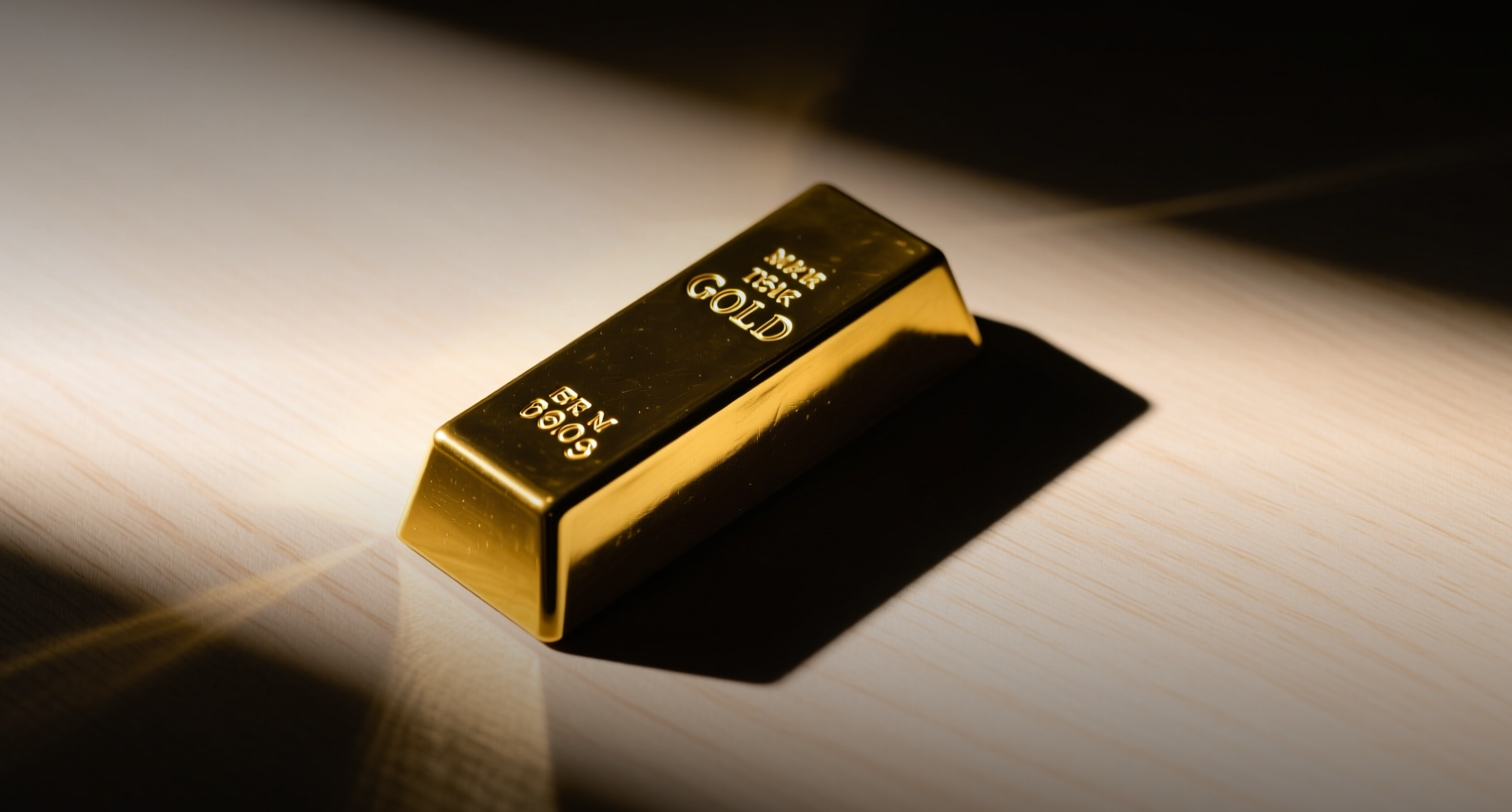
Gold opened Monday with a $20 gap lower as renewed Middle East hostilities fueled inflationary risk and strengthened expectations the Federal Reserve will keep rates higher for longer.
Spot gold slid below $4,100 Monday, opening with a $20 gap lower as an escalation in the Middle East stoked inflationary fears and reinforced bets the Federal Reserve will hold rates steady or hike at its July 29 meeting.
"The rising 'Baby Blues' dots suggested the downtrend was becoming less steep, but war keeps getting in the way," said the contributor at deMeadville.com, publisher of The Gold Update. "Attempts to rise have occurred when the war has been cooling, only to fall when re-heating."
Spot gold traded at $4,098.72 late Friday after falling from a peak near $5,500 set in early February, a decline of more than 25 percent from the all-time high. Silver settled at $60.30 after reaching $63.73 last week, down from a February peak near $120. The US dollar strengthened on safe-haven flows, adding pressure on dollar-denominated commodities. The S&P 500 traded at 7,575 with a price-to-earnings ratio of 47 times, near record levels despite the geopolitical uncertainty.
The $4,000 level represents a critical psychological floor. A break below that threshold could accelerate selling toward the $3,600 area, where Meta AI's bear case scenario identified a potential retest zone. The Fed's July 29 decision looms as the next major catalyst, with markets pricing in the possibility of a hike to 3.75 percent to 4.00 percent from the current 3.50 percent to 3.75 percent range.
The Middle East escalation comes at a precarious moment for gold, which had already surrendered more than a quarter of its value from the February record. The metal's decline accelerated after the US administration terminated a ceasefire agreement with Iran last week, according to reports, sending oil prices higher and strengthening the dollar bid.
The last time a similar geopolitical escalation drove a gold spike-and-plunge pattern was in February 2022 following the Russia-Ukraine invasion. Gold surged $64 on the opening day of that conflict before reversing gains over the following weeks as the dollar strengthened. The current setup mirrors that pattern, with the dollar index gaining as safe-haven flows overwhelm gold's traditional hedge bid.
Rate Expectations Reshuffle
The Fed's July 29 meeting is now the focal point for gold traders. The federal funds rate stands at 3.50 percent to 3.75 percent, unchanged since the last adjustment. Overnight index swaps have shifted to price in a higher probability of a hike rather than a hold, a dramatic reversal from earlier this year when markets expected multiple cuts.
"The opportunity cost of holding non-yielding assets like gold disappears when real rates are negative, but that calculus flips if the Fed hikes back to 4 percent or higher," according to the Meta AI model cited in recent analysis. The model's bear case for gold identified $3,600 as a potential floor if the Fed tightens further.
Gold's support structure has narrowed considerably. The $4,000 level has been tested multiple times over the past two weeks and held, but each test weakens the floor. Resistance sits at $4,300, then a heavier ceiling near $4,700 to $4,800 where the March secondary high formed after the initial February peak faded.
For silver, the picture is more volatile. The metal sits at $59.33 after an even more dramatic run from around $48 last November to a peak near $120 in early February. Support holds near $56 to $57, with resistance at $68 to $70 and a heavier wall near $80.
The broader macro backdrop remains supportive of gold over the long term. De-dollarization continues accelerating emerging market central bank buying, adding a structural bid beneath gold that does not depend on any single country's monetary policy decision. Supply constraints from declining ore grades and underinvestment in new mines add a longer-term scarcity premium. But those factors take a back seat to the immediate headwinds of a strengthening dollar and rising rate expectations.
This article is for informational purposes only and does not constitute investment advice.
