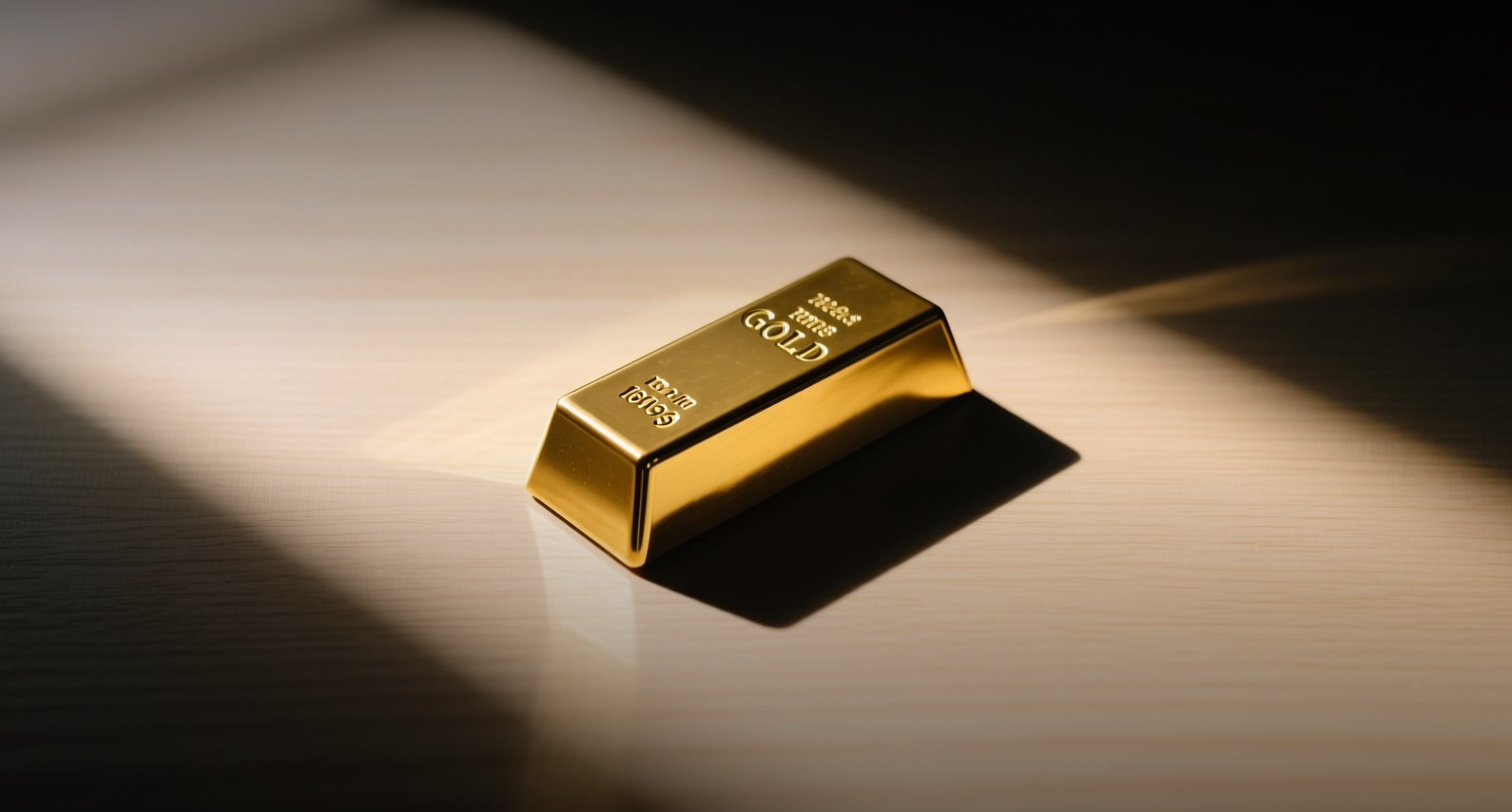
Gold spot rose to $4,000.16 an ounce on Friday, up 0.6%, after the University of Michigan's preliminary July Consumer Sentiment survey came in at 54.4, above the 51 consensus forecast, with one-year inflation expectations easing.
"Consumer sentiment improved more than expected in July, with one-year inflation expectations declining to 4.2% from 4.6% in June, which reduces some pressure on the Federal Reserve to maintain an aggressive tightening stance," said Omar Tariq, a commodities analyst covering precious metals.
The session high of $4,008.32 marked a recovery from the day's low of $3,959.91, though gold remains 3% lower for the week — its steepest weekly decline since early June. The metal is 28% below its all-time high of $5,595.46 set in January, according to Investing.com data. Five-year inflation expectations held steady at 3.3%, while the current conditions sub-index jumped to 54.90 from 47.70.
The $4,000 level has emerged as a critical threshold since gold first breached it in October 2025. A sustained break below this level could open the path toward $3,700, analysts said, while a softer inflation outlook may support a recovery toward $4,200-$4,300. The next catalyst is the Federal Reserve's July 30-31 policy meeting, where markets are pricing a 73% probability of a rate hold.
Gold's Divergent Week: Data vs. Geopolitics
The weekly decline masks a tug-of-war between competing forces. Escalating US-Iran hostilities pushed crude oil prices nearly 12% higher this week, reviving inflation fears and strengthening expectations that the Fed could keep rates higher for longer. Dallas Fed President Lorie Logan said this week that recent inflation data was "still not good enough," calling for modestly higher rates, while Vice Chair Philip Jefferson said he would be open to raising rates if inflation does not improve.
Higher interest rates reduce the appeal of non-yielding gold, and benchmark 10-year Treasury yields moved higher as investors reassessed the Fed's policy path. BofA warned this week that gold prices could fall further, citing patterns from the 1980 and 2011 peaks. Goldman Sachs, however, said strong central bank purchases in May are likely to provide a floor for prices.
Central Bank Demand Provides a Backstop
The World Gold Council reported that central banks added 35 tonnes of gold to their reserves in May, with the People's Bank of China, the Reserve Bank of India, and the Central Bank of Turkey leading purchases. This institutional demand has helped absorb selling pressure during the recent correction, analysts said.
COMEX gold futures settled at $4,004.25 an ounce, up 0.3%, while silver slipped 0.1% to $55.45 an ounce. Both metals are on track for weekly losses. The CFTC's weekly commitments of traders report, due later Friday, will show whether speculative long positions have been reduced during the selloff.
This article is for informational purposes only and does not constitute investment advice.